
Afghanistan Fuel Market Remains Stable Amid Global Price Surge, Says Minister Azizi

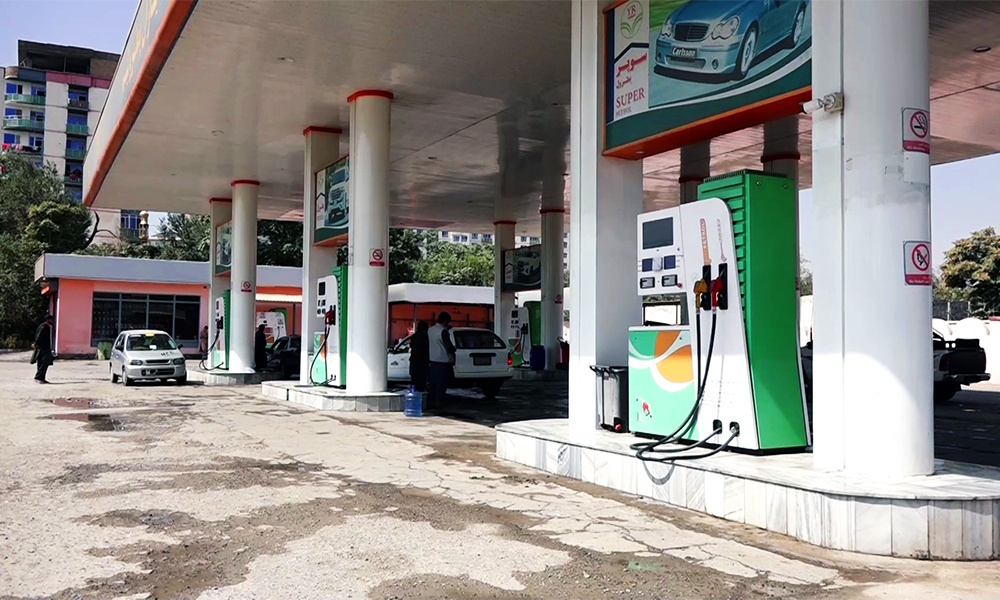
ANTALYA, Turkey – While much of the world grapples with rising energy costs, Afghanistan’s fuel market has remained notably stable, according to Nooruddin Azizi, the country’s Minister of Industry and Commerce. Speaking at the fifth Antalya Diplomacy Forum in Turkey, Azizi attributed this resilience to proactive planning by the Islamic Emirate of Afghanistan (IEA).
The minister made his remarks during a panel discussion titled “Trust in Trade: The Future of Economic Integration and Stability in South Asia,” the Ministry of Industry and Commerce (MoCI) confirmed in a statement. On the panel, Azizi stressed that peace, regional stability, and stronger human ties are essential prerequisites for economic growth. He also highlighted the unique challenges Afghans have faced over nearly five decades of conflict, noting that the country’s central bank assets remain frozen a key obstacle to international trade and investment.
Azizi reiterated that the IEA’s core message is one of peace and peaceful coexistence, rooted in Islamic values and the will of the Afghan people. He called on regional powers and global stakeholders to separate political differences from economic cooperation, emphasizing that trade should serve as a bridge for trust-building.
Modest Price Increase Despite Global Volatility
Responding to a question about the impact of recent geopolitical developments including supply chain disruptions and fluctuating global oil prices on Afghanistan’s fuel and liquefied gas markets, Azizi revealed that the IEA had anticipated the volatility and made contingency preparations well in advance.
“Despite a sharp and significant increase in global oil and liquefied gas prices, we have managed to keep the increase in Afghanistan to only three to five percent,” Azizi said. He contrasted this with price surges of 15–20 percent observed in many neighboring and regional countries.
The minister explained that Afghanistan secured alternative supply routes and negotiated medium-term contracts with several Central Asian and Gulf-based suppliers, insulating the local market from the worst of the spot-price spikes. As a result, gasoline, diesel, and cooking gas prices at Afghan pumps have remained relatively steady over the past quarter, providing crucial relief to consumers and businesses alike.
Demonstrating Effective Market Management
Azizi concluded that the modest price adjustment demonstrates that Afghanistan’s efforts to secure fuel supplies and manage market dynamics have been effective. He credited the IEA’s “proactive diplomacy and economic foresight” for preventing the kind of crippling inflation seen elsewhere.
However, analysts caution that the stability remains fragile. They note that Afghanistan’s fuel imports still depend on transit routes through neighboring countries, and any major disruption or further tightening of international sanctions could quickly reverse the gains. Additionally, the continued freeze on roughly $7 billion in Afghan central bank assets limits the country’s ability to conduct large-scale international transactions, forcing traders to rely on costly and complex alternative banking channels.
For now, though, Azizi’s message from Antalya was one of cautious optimism: through early planning and regional engagement, Afghanistan has weathered a global energy storm better than most. Whether this stability can be sustained over the long term, he acknowledged, will depend on deeper economic integration and the restoration of trust with the international community.
Our Pashto-Dari Website

Support Dawat Media Center
If there were ever a time to join us, it is now. Every contribution, however big or small, powers our journalism and sustains our future. Support the Dawat Media Center from as little as $/€10 – it only takes a minute. If you can, please consider supporting us with a regular amount each month. Thank you
DNB Bank AC # 0530 2294668
Account for international payments: NO15 0530 2294 668
Vipps: #557320

Comments are closed.