
One Million Afghan Children Face Severe Malnutrition as Crisis Deepens, UNICEF Warns

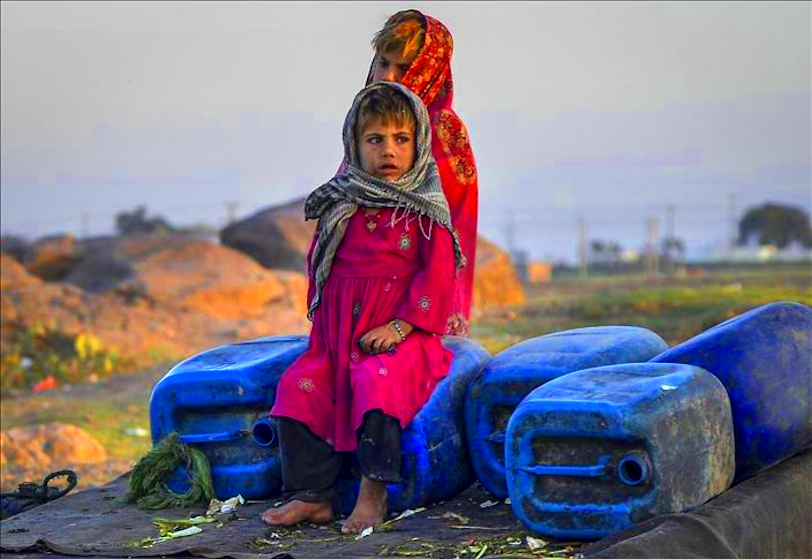
Afghanistan’s child malnutrition crisis has spiraled to a critical threshold, with an estimated 3.7 million children nationwide now suffering from acute malnutrition, according to a report by Arab News. Of this staggering figure, roughly one million children are battling severe acute malnutrition the most life-threatening form, which leaves them highly vulnerable to infection, developmental delays, and death without immediate therapeutic intervention.
Tajudeen Oyewale, UNICEF’s Representative in Afghanistan, attributed the deteriorating situation to a confluence of interconnected factors. In an interview with Arab News, he identified limited dietary diversity, entrenched poverty, widespread disease, a sharp decline in international humanitarian aid, and overwhelmed health infrastructure as primary drivers. “Access to diverse, nutrient-rich foods and consistent child-feeding practices remains a profound challenge for most Afghan families,” Oyewale said, noting that many households are forced to rely on staple grains alone, lacking proteins, fruits, and vegetables essential for children’s growth.
Compounding these systemic issues is a massive population displacement. Since 2023, over six million people have returned to Afghanistan from Iran and Pakistan often abruptly and without resources placing immense strain on the country’s already fragile health services, food systems, and water supplies. Oyewale warned that these returnees, many of whom have no homes or livelihoods, are competing for scarce aid and further stretching treatment centers that are already operating beyond capacity.
The funding gap threatens to turn a crisis into a catastrophe. UNICEF’s child nutrition program in Afghanistan requires an estimated $180 million for 2026, yet **only 22 percent** of that target roughly $40 million has been secured to date. Without an urgent influx of resources, Oyewale cautioned, thousands of children may miss out on life-saving treatment, including therapeutic feeding, vitamin supplementation, and medical care for malnutrition-related complications.
Despite the dire outlook, Oyewale emphasized that UNICEF is not without solutions. “We have the knowledge, the operational capacity, and the on-the-ground access to effectively treat and prevent malnutrition,” he said. “What we urgently need is flexible, sustained, and predictable funding to scale up mobile health teams, train community health workers, rehabilitate nutrition clinics, and reach the most isolated children especially in rural and conflict-affected areas.”
The warning comes amid a broader humanitarian emergency in Afghanistan, where more than half the population is estimated to require some form of assistance. International donors, who have been reducing commitments amid global economic pressures and competing crises, face renewed calls to prioritize Afghan children a generation whose future is being jeopardized by hunger that is both preventable and treatable.
Humanitarian agencies stress that time is running out. With winter approaching and food stocks dwindling, each day without decisive action increases the risk of irreversible harm to millions of young lives. UNICEF has reiterated its commitment to staying and delivering, but officials made clear that international solidarity not just sympathy will determine whether these one million severely malnourished children survive and thrive.
Our Pashto-Dari Website

Support Dawat Media Center
If there were ever a time to join us, it is now. Every contribution, however big or small, powers our journalism and sustains our future. Support the Dawat Media Center from as little as $/€10 – it only takes a minute. If you can, please consider supporting us with a regular amount each month. Thank you
DNB Bank AC # 0530 2294668
Account for international payments: NO15 0530 2294 668
Vipps: #557320

Comments are closed.