

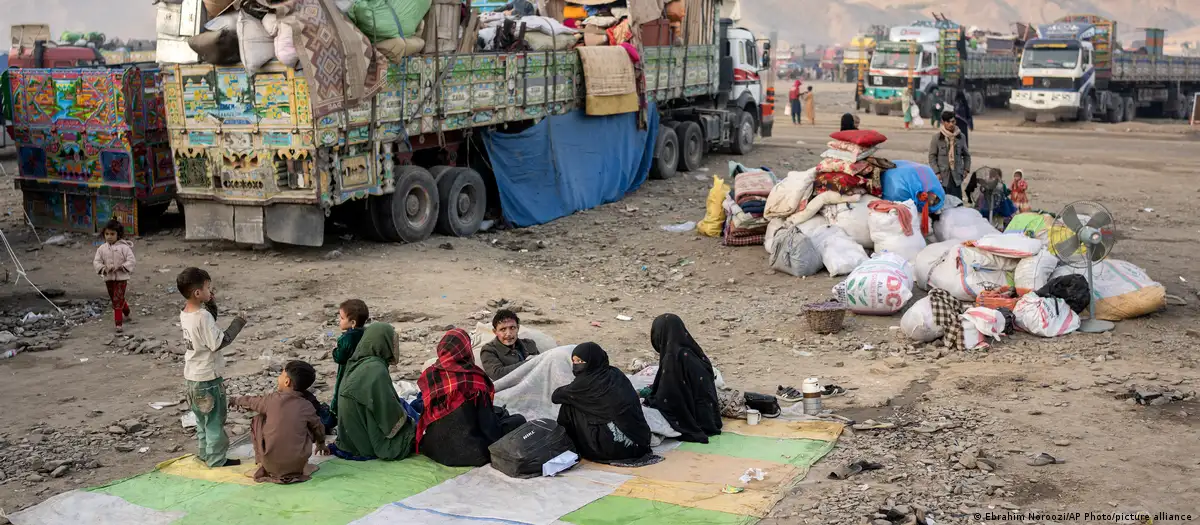
A new United Nations report has revealed that just 17 percent of Afghan women returning from neighboring Iran and Pakistan are able to earn any form of income a stark indicator of the economic exclusion facing returnees.
Although many of these women gained valuable work experience and skills while abroad, the report shows a near-total collapse in job opportunities upon their return to Afghanistan. Nearly 40 percent say they possess vocational, technical, or digital skills that they are now unable to use, according to a joint statement from UN Women and UN Asia-Pacific.
High unemployment despite prior work experience
The findings, based on a study conducted by researchers at Samuel Hall, indicate that more than three-quarters of women who worked in Iran and nearly two-thirds of those who worked in Pakistan are now unemployed after returning to Afghanistan. Overall, fewer than one in five returnee women are currently employed.
Worsening household debt and food insecurity
The report warns that persistently low employment rates among returnee women risk deepening household debt and food insecurity particularly in families headed by women, who often face the most severe economic hardship. With more than 5.5 million migrants having returned to Afghanistan since 2023, local economies already fragile are under unprecedented strain.
Structural barriers to women’s work
Key barriers include restrictions on women’s mobility and employment, limited access to financial capital and work tools, and weak market opportunities. These factors leave most returnee women without the means to rebuild livelihoods or support their families.
Calls for targeted investment
UN Women has called for increased investment in livelihood support, skills training, and financial assistance. Recommended measures include:
-
Providing work tools and start-up grants for women
-
Supporting high-demand sectors such as small-scale livestock rearing, food processing, and tailoring
-
Expanding skills development programs tailored to local market needs
Susan Ferguson, UN Women’s Special Representative in Afghanistan, stressed that supporting women’s economic participation is critical—not only for individual households but also for Afghanistan’s broader economic recovery.
Methodology
The study draws on data collected from more than 700 returnee women and local stakeholders across Herat, Nangarhar, and Kabul provinces. It includes phone surveys, in-depth interviews, focus group discussions, and community workshops.
The report concludes that empowering returnee women is essential for building household resilience and fostering long-term economic stability in Afghanistan.
Our Pashto-Dari Website
Support Dawat Media Center
If there were ever a time to join us, it is now. Every contribution, however big or small, powers our journalism and sustains our future. Support the Dawat Media Center from as little as $/€10 – it only takes a minute. If you can, please consider supporting us with a regular amount each month. Thank you
DNB Bank AC # 0530 2294668
Account for international payments: NO15 0530 2294 668
Vipps: #557320

Comments are closed.