
UN Warns of ‘Catastrophe’ for Women Journalists in Afghanistan on Press Freedom Day

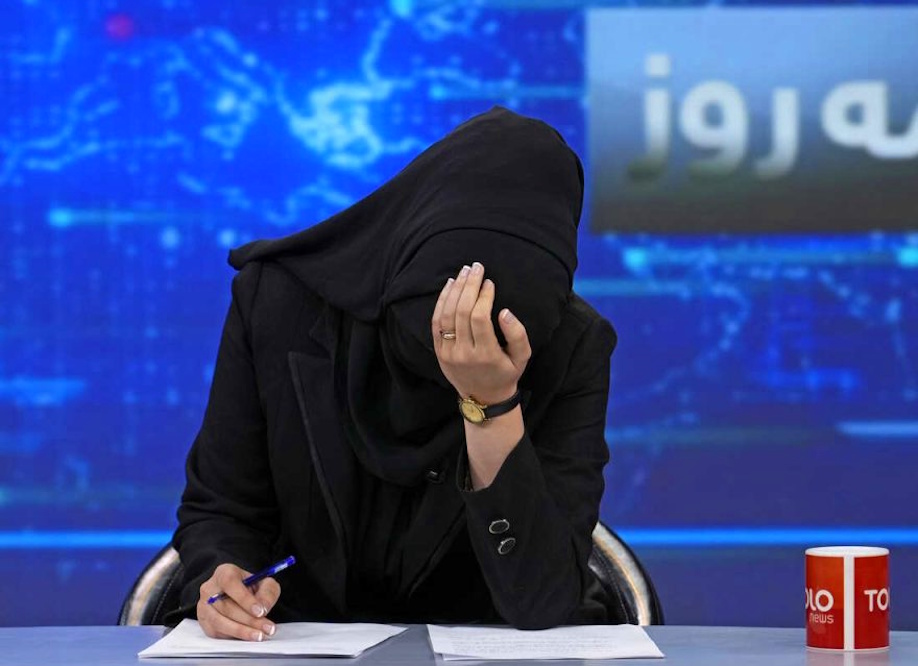
Marking World Press Freedom Day on May 3, the United Nations has issued a stark warning about the worsening conditions for media workers in Afghanistan, with women journalists facing disproportionately harsh and deteriorating restrictions.
Richard Bennett, the UN Special Rapporteur on the situation of human rights in Afghanistan, warned that media restrictions in the country have intensified dramatically. While all journalists face growing pressure, female reporters are confronting severe discrimination, sweeping movement restrictions, and strict dress code requirements that critically limit their ability to work. “Women journalists are experiencing significantly harsher conditions than their male counterparts,” Bennett said, describing the environment as a “catastrophe for press freedom.”
Bennett stressed the urgent need for the protection of journalists, particularly women, and called for stronger safeguards to ensure their safety and ability to continue professional activities. He noted that data from the Afghanistan Journalists Center (AFJC) showed at least 32 journalist detentions recorded in 2025 alone, reflecting mounting pressure on independent media. In addition, he added that a shrinking civic space, censorship of books and publications, and restrictions on access to information have further undermined freedom of expression across the country. Journalists, he noted, increasingly face punishment even for activity on social media, highlighting the expanding scope of restrictions on public discourse.
According to Reporters Without Borders (RSF) , Afghanistan remains among the lowest-ranked countries globally for press freedom, with conditions deteriorating sharply since the Taliban takeover in 2021. RSF reports that many independent outlets have closed or now operate under strict controls, forcing journalists into self-censorship to avoid reprisals from authorities. The organization also emphasizes that female journalists have been disproportionately affected, with many barred from working, sidelined from public roles, or forced into exile.
At least four journalists Bashir Hatef, Shakib Nazari, Hamid Farhadi, and Abuzar Sarem remain in detention , underscoring ongoing risks. The Afghanistan Journalists Center has recorded at least 150 violations of press freedom over the past year, including threats, arrests, and increasing pressure on independent outlets. Bennett has called for the immediate and unconditional release of detained journalists, warning that reporters face intimidation, arbitrary detention, and surveillance, creating an environment of fear that undermines independent journalism and public access to information.
UNESCO: Misinformation Erodes Trust
Also marking World Press Freedom Day, UNESCO warned that the manipulation of information fuels division and erodes public trust, emphasizing that access to verified and independent information is essential for building peaceful, just, and resilient societies. “Free and truthful information strengthens accountability, supports human rights, and remains a cornerstone of stability and democratic resilience worldwide,” the organization said.
UNESCO urged governments worldwide to protect freedom of expression and support journalism as a “pillar of peace,” stressing that verified information is critical in an era of growing misinformation. However, in Afghanistan, the agency’s call rings hollow amid severe restrictions, with authorities imposing censorship, limiting reporting, and detaining journalists for months without charge.
Global Context and Calls for Action
Media watchdogs say press freedom is under increasing strain not only in Afghanistan but worldwide due to conflict, political pressure, and the spread of disinformation putting journalists at greater risk than at any time in recent years. Freedom of expression is guaranteed under Article 19 of the Universal Declaration of Human Rights, but enforcement remains critically weak in countries facing instability and restrictive governance.
Analysts warn that continued restrictions in Afghanistan risk silencing independent voices entirely, further isolating society and limiting public access to credible and diverse sources of information. Without urgent international action to protect journalists and restore basic media freedoms, they say, the country’s information crisis will only deepen.
Our Pashto-Dari Website

Support Dawat Media Center
If there were ever a time to join us, it is now. Every contribution, however big or small, powers our journalism and sustains our future. Support the Dawat Media Center from as little as $/€10 – it only takes a minute. If you can, please consider supporting us with a regular amount each month. Thank you
DNB Bank AC # 0530 2294668
Account for international payments: NO15 0530 2294 668
Vipps: #557320

Comments are closed.