
WHO Sounds Alarm Over Unvaccinated Repatriated Children in Afghanistan, Posing Major Public Health Threat

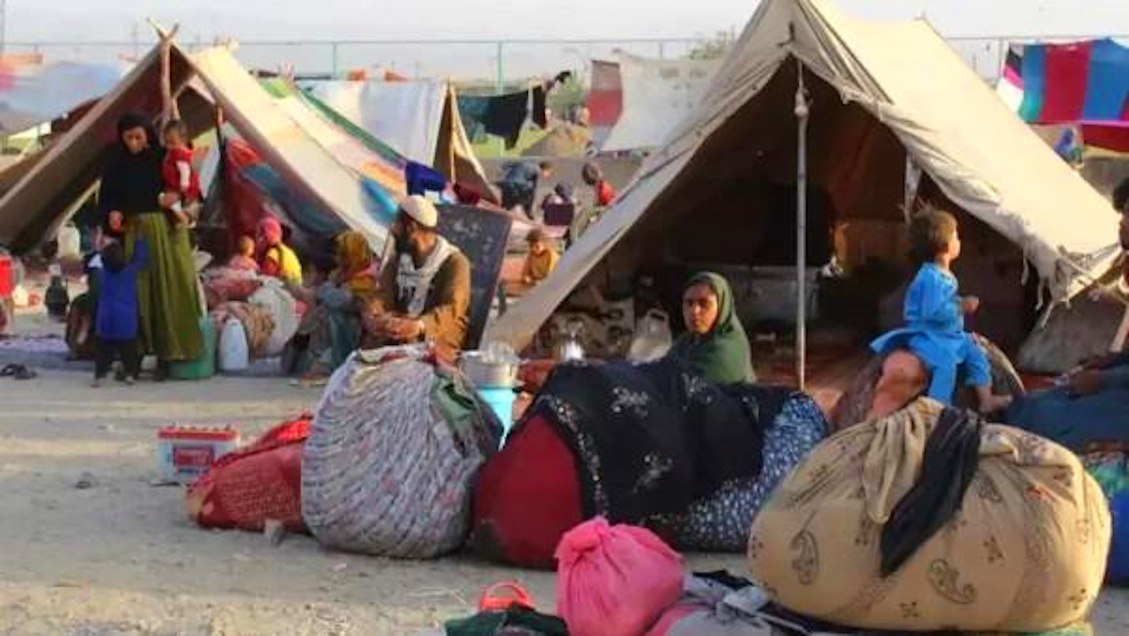
KABUL, Afghanistan – The World Health Organization (WHO) has issued a stark warning regarding the health of thousands of children returning to Afghanistan, reporting that a significant number remain completely unvaccinated. This critical gap in immunization coverage is heightening the risk of severe disease outbreaks and threatening the overall public health stability of the nation.
In a report released on Sunday, February 15, the WHO detailed that through its primary healthcare services and active efforts to identify returnee populations, many of these previously unprotected children have now been successfully registered in Afghanistan’s national vaccination system. This enrollment is a vital first step, providing children with official immunization cards that offer protection against deadly, preventable diseases and, crucially, improves families’ access to broader healthcare services.
Dr. Edwin Ceniza Salonga, the WHO Representative in Afghanistan, underscored the importance of this proactive outreach. “With active community engagement and the sustained support of healthcare services, we can create a safety net that ensures no child misses out on essential, life-saving care,” Dr. Ceniza stated. He emphasized that reaching these mobile and often marginalized populations is key to building a healthier and more resilient Afghanistan.
The WHO stresses that vaccinating these previously unprotected children is not merely a matter of individual health, but a critical public health intervention. It is essential for preventing the resurgence and rapid spread of dangerous outbreaks, including measles and polio—two viruses that can have devastating consequences in communities with weak healthcare infrastructure. Safeguarding these most vulnerable populations is paramount to maintaining the fragile gains made in disease control over recent years.
Afghanistan’s healthcare system has been strained by decades of conflict, political instability, and widespread displacement. These factors have consistently disrupted the delivery of routine health services, leaving a generation of children vulnerable to diseases that are easily preventable with basic vaccines. The recent wave of returnees, often arriving from neighboring countries like Pakistan and Iran, has added a new layer of complexity to this already challenging situation.
In response, a coalition of humanitarian agencies, including the WHO, UNICEF, and local health authorities, is working tirelessly to restore and expand vaccination coverage. These efforts include deploying mobile health teams to border crossing points and settlements, strengthening the country’s cold chain infrastructure to safely store vaccines, and conducting community awareness campaigns to build trust and combat misinformation.
Ensuring that every returning child is vaccinated remains a paramount priority for public health in Afghanistan. Achieving this goal requires a sustained and coordinated effort between international organizations, local communities, and Afghanistan’s health authorities to build a robust system that can protect all children, regardless of their circumstance or location.
Our Pashto-Dari Website


Support Dawat Media Center
If there were ever a time to join us, it is now. Every contribution, however big or small, powers our journalism and sustains our future. Support the Dawat Media Center from as little as $/€10 – it only takes a minute. If you can, please consider supporting us with a regular amount each month. Thank you
DNB Bank AC # 0530 2294668
Account for international payments: NO15 0530 2294 668
Vipps: #557320

Comments are closed.