

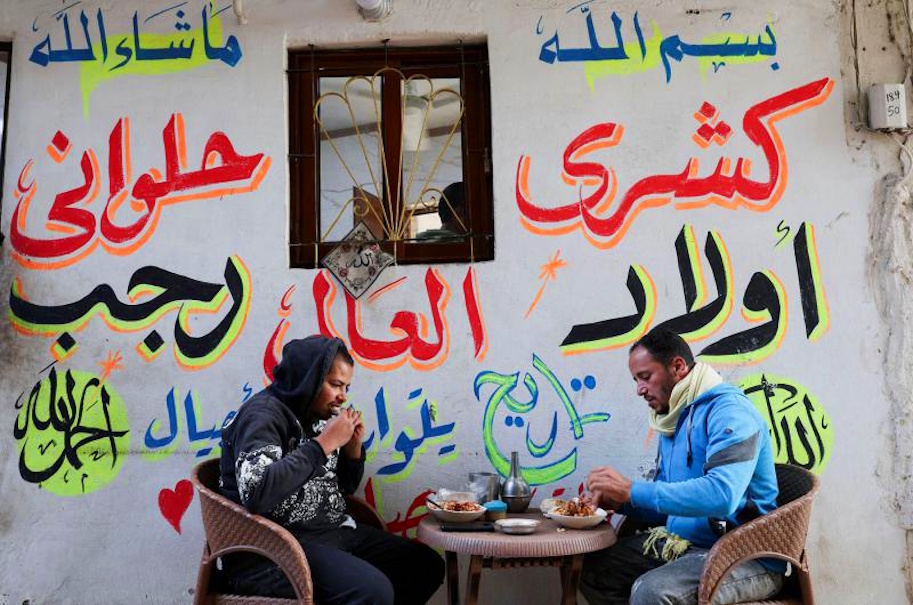
CAIRO — In a move celebrated across the nation, Egypt’s iconic street food, koshary, has been inscribed on UNESCO’s Representative List of the Intangible Cultural Heritage of Humanity. The recognition, granted on Wednesday, honors the spicy, comforting dish of lentils, rice, pasta, chickpeas, and crispy fried onions, all brought together under a tangy tomato sauce and vinegar-laced garlic chili dressing.
This culinary achievement is a strategic part of Cairo’s broader campaign to promote Egypt’s rich cultural and historical identity on the world stage. It follows closely on the heels of the high-profile opening of the sprawling new Grand Egyptian Museum, initiatives officials hope will spotlight the nation’s heritage and reinvigorate its vital tourism sector.
A Dish Forged by History
More than just a meal, koshary is a edible tapestry of global history. Food researcher and archaeobotanist Hala Barakat explains that its origins defy a simple story. While one popular legend attributes its name and basic idea to a northern Indian dish brought by British soldiers, its components tell a millennia-long story of migration, trade, and conquest.
Lentils arrived from the Fertile Crescent over 5,800 years ago. Rice was introduced from East Asia. Tomatoes and chili peppers made their way from the Americas centuries later, and pasta was a more modern addition. “These components came together over thousands of years,” Barakat said. “Its name may be Indian, but the Egyptian dish has its own form, and even that varies from Alexandria to Aswan. Koshary in its current form is the koshary Egyptians made their own.”
Unity in Delicious Diversity
Egypt’s UNESCO nomination meticulously celebrates this regional diversity. It notes that yellow lentils are preferred on the Mediterranean coast, while black lentils are staple in Cairo and Upper Egypt. Some households add boiled eggs or a sprinkling of cumin, and in Sinai, a closely related dish called ma’dous is common. What unites all variations, the nomination emphasizes, is “the special flavour provided by condiments such as vinegar, garlic and hot sauce, which are added according to preference.”
A Symbol of Modern Egyptian Life
Koshary’s surge to national prominence came in the 20th century, as dedicated restaurants and brightly decorated street carts proliferated near schools, factories, and transport hubs, offering an affordable, filling, and flavorful meal for all. Its inherent lack of animal products has long made it a staple during Coptic Christian fasting periods and has now cemented its status among a growing number of vegan and vegetarian youth.
“Today, the dish is one of Egypt’s most recognisable features,” said Ahmed Shaker, public relations officer at Abou Tarek Koshary, a legendary Cairo restaurant founded in 1963. “Any foreigner or visitor who comes to Egypt visits the Pyramids, visits the museum, and comes to Abou Tarek to eat koshary.”
Beyond the Plate
While inclusion on the UNESCO list is largely symbolic and does not confer direct funding, it provides significant prestige and a global platform for safeguarding cultural practices. Koshary now joins Egypt’s ten other intangible cultural heritage listings, which include tahteeb (a stick-based martial art) and the oral epic poetry of Al-Sirah al-Hilaliyyah. It also enters a pantheon of celebrated global foods on the list, such as North African couscous, Peruvian ceviche, and Neapolitan pizza.
The recognition coincides with the tenure of UNESCO’s new Director-General, Khaled El-Enany, Egypt’s former Minister of Tourism and Antiquities, who has pledged to prioritize the protection of living traditions. For Egyptians at home and abroad, the honor is a poignant point of pride—a validation that their everyday, shared comfort food is a treasure as valuable as any ancient relic.
Support Dawat Media Center
If there were ever a time to join us, it is now. Every contribution, however big or small, powers our journalism and sustains our future. Support the Dawat Media Center from as little as $/€10 – it only takes a minute. If you can, please consider supporting us with a regular amount each month. Thank you
DNB Bank AC # 0530 2294668
Account for international payments: NO15 0530 2294 668
Vipps: #557320

Comments are closed.