
Afghan Women Bear the Brunt of Crisis Amid Forced Returns from Pakistan and Iran

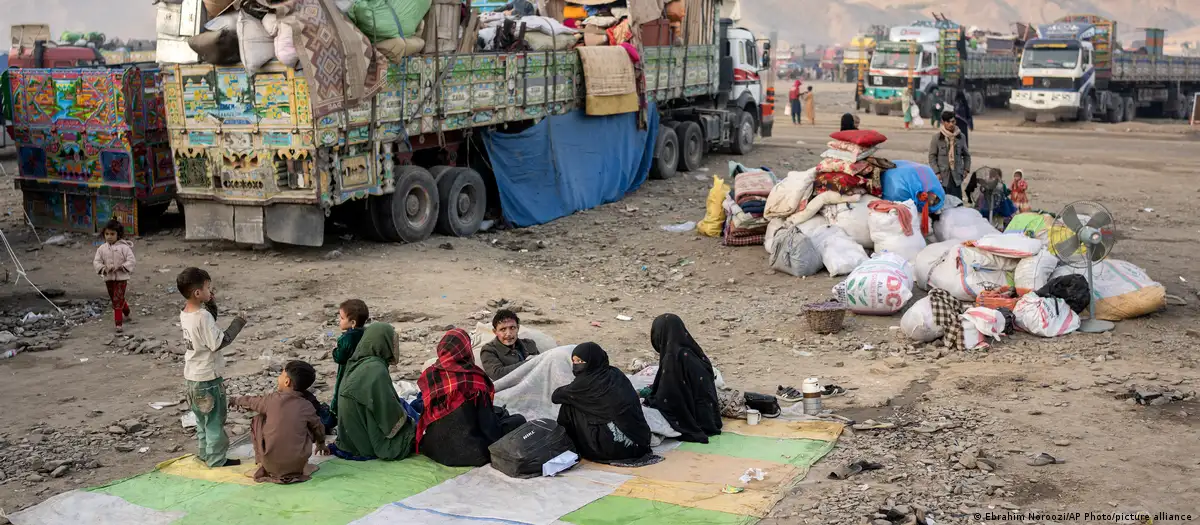
Afghanistan is grappling with a severe and escalating humanitarian emergency as tens of thousands of women and families are forcibly deported from its neighbors, Pakistan and Iran. These mass returns are exacerbating an already catastrophic economic and social collapse, with returnees confronting destitution, homelessness, and systematic human rights violations.
A Deepening Humanitarian Catastrophe
Since late 2023, Pakistan’s campaign to expel undocumented migrants and Iran’s increased deportations amid domestic unrest have forced over half a million Afghans back across the borders. The International Organization for Migration (IOM) warns that more than two million returnees now face critical survival challenges, arriving in a country where, according to the UN, roughly 75% of the population is unemployed and 90% live below the poverty line.
For returnees, basic necessities are out of reach:
-
Shelter is scarce: UN reports indicate one in four returnees lacks adequate housing, with many families sheltering in overcrowded transit centers or makeshift tents ill-equipped for the harsh winter.
-
Employment is nearly nonexistent: Only 11% of returnees have found any form of work.
-
Food insecurity is rampant: Over half of all households cannot meet basic nutritional needs, with female-headed households suffering disproportionately.
Women and Children at Extreme Risk
The crisis has a distinctly gendered impact. Women comprise nearly half of all returnees from Pakistan and a third from Iran, often arriving as the sole providers for their children. Their plight is multilayered:
-
Economic Desperation: Many had relied on informal work abroad. Forced return strips them of income, pushing them into extreme poverty and debt.
-
Heightened Vulnerability to Abuse: Deportees are sent back to regions where gender-based violence, forced and early marriage, and severe restrictions on movement and education under Taliban rule are prevalent. Without male guardians, women-headed households face heightened risks of exploitation and violence.
-
Denied Basic Services: Access to healthcare, including maternal and reproductive care, is severely limited, while Taliban edicts banning most female aid workers further obstruct humanitarian assistance to women.
A Silenced Crisis: Threats to Journalism and Information
Reporting on this crisis has become exceptionally dangerous. Journalists, particularly women, face harassment, detention, and violence for covering forced deportations, women’s rights, and related protests. This silencing campaign severely restricts public access to critical information, isolates affected communities, and hinders accountability, allowing the crisis to deepen in the shadows.
Regional Unrest Compounds the Crisis
The situation is compounded by instability in host countries:
-
In Iran, widespread protests and economic pressures have led to increased hostility and scapegoating of Afghan refugees, forcing many to return under unsafe, chaotic conditions.
-
In Pakistan, political and economic pressures fueled the deportation drive, overwhelming Afghanistan’s border provinces and creating acute humanitarian and security strains.
Calls for Urgent International Action
Human rights organizations and UN agencies stress that without immediate, coordinated intervention, Afghanistan risks a devastating downward spiral of mass displacement, starvation, and rights violations. They call for:
-
Pressure on Pakistan and Iran to halt forcible returns and adhere to principles of non-refoulement.
-
Massive scaling up of humanitarian aid, with guaranteed safe and direct access to women and girls.
-
Targeted support for income-generating projects for women-headed households.
-
Robust protection mechanisms for vulnerable returnees, especially women, children, and journalists.
-
Long-term international engagement to address the root causes of displacement and prevent total economic collapse.
The forced returns are not just a migration issue; they are fueling a compound disaster where women are paying the highest price. The international community’s response will determine whether this crisis tips into an even greater human tragedy.
Our Pashto-Dari Website

Support Dawat Media Center
If there were ever a time to join us, it is now. Every contribution, however big or small, powers our journalism and sustains our future. Support the Dawat Media Center from as little as $/€10 – it only takes a minute. If you can, please consider supporting us with a regular amount each month. Thank you
DNB Bank AC # 0530 2294668
Account for international payments: NO15 0530 2294 668
Vipps: #557320

Comments are closed.