
Nearly 140,000 Afghan Migrants Deported from Pakistan’s Punjab Province Amid Nationwide Crackdown

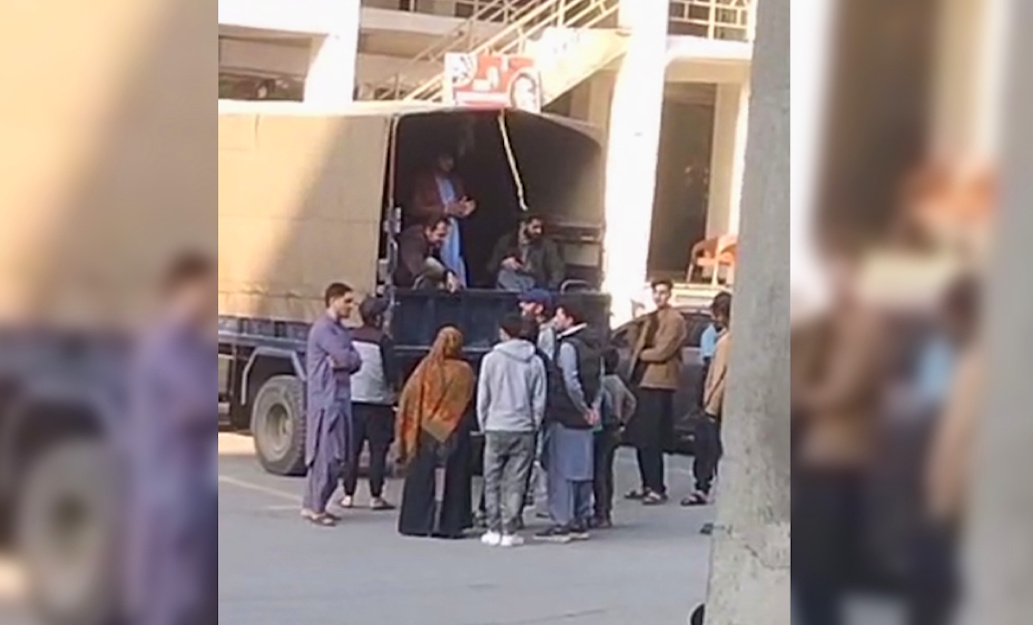
Pakistan’s most populous province, Punjab, has detained and deported nearly 140,000 undocumented Afghan migrants as part of an ongoing nationwide campaign against foreigners lacking valid legal residency documents, provincial authorities confirmed this week.
According to a statement from Punjab’s Home Department, a total of 139,902 Afghan nationals have been processed through legal procedures and subsequently repatriated to Afghanistan. The department added that 248 Afghan migrants currently remain in 39 detention facilities across the province, with their cases nearing completion. These individuals are expected to be deported via the Torkham border crossing one of the primary entry points between Pakistan and Afghanistan in the coming days.
The mass expulsions are a key component of Pakistan’s broader policy to remove undocumented Afghan nationals, which Islamabad insists is necessary to uphold domestic residency laws and address mounting security concerns. The government has framed the crackdown as a sovereign measure to regulate immigration and curb what it describes as militant infiltration.
In recent weeks, the campaign has accelerated sharply, triggering alarm among Afghanistan’s diaspora in Pakistan. Many affected migrants have reported increasing difficulties in renewing visas or securing legal extensions, with some alleging they were compelled to leave despite having resided in Pakistan for decades. A number of those deported had established long-term businesses, held formal employment, or maintained deep family ties within Pakistani communities, underscoring the human toll of the policy.
Pakistan’s authorities maintain that the repatriation effort is not new; over the past three years, they say, approximately 2.66 million undocumented Afghan migrants have been returned to Afghanistan. However, rights advocates contend that the pace and scale of recent deportations have intensified, leaving little room for affected families to prepare or seek alternative protections.
The timing of the deportations is significant, as Pakistan grapples with a deteriorating security landscape, particularly in the northwestern province of Khyber Pakhtunkhwa and the southwestern region of Balochistan. Both areas have witnessed a surge in militant attacks and armed incidents in recent months. Pakistani officials have repeatedly accused hostile groups of operating from Afghan soil, though the Taliban-led administration in Kabul has consistently denied these allegations and called for bilateral dialogue to resolve cross-border tensions.
Humanitarian organizations and international rights groups have voiced growing concern over the large-scale forced returns, warning that they could expose vulnerable populations—including women, children, and ethnic minorities to heightened risks. These groups have urged Pakistani authorities to ensure that deportation procedures adhere to international protection standards, including the principle of non-refoulement, which prohibits returning individuals to situations where they could face persecution or serious harm.
On the ground in Afghanistan, the situation for returnees remains dire. Humanitarian agencies report that many deportees arrive with few possessions and face acute shortages of shelter, employment, healthcare, and potable water. With Afghanistan already grappling with a severe economic crisis and widespread food insecurity, the sudden influx of returnees has strained already overstretched relief networks and local host communities.
The latest wave of deportations thus lays bare the persistent friction between Pakistan’s domestic security imperatives and the international community’s calls for greater safeguards for Afghan nationals. As the crackdown continues, the plight of those caught in the middle uprooted from homes they had built over years—remains a stark reminder of the complex human dimensions behind state-level migration enforcement.
Our Pashto-Dari Website

Support Dawat Media Center
If there were ever a time to join us, it is now. Every contribution, however big or small, powers our journalism and sustains our future. Support the Dawat Media Center from as little as $/€10 – it only takes a minute. If you can, please consider supporting us with a regular amount each month. Thank you
DNB Bank AC # 0530 2294668
Account for international payments: NO15 0530 2294 668
Vipps: #557320

Comments are closed.