
India Urges Citizens to Avoid Non-Essential Travel to Iran as Nationwide Protests Escalate

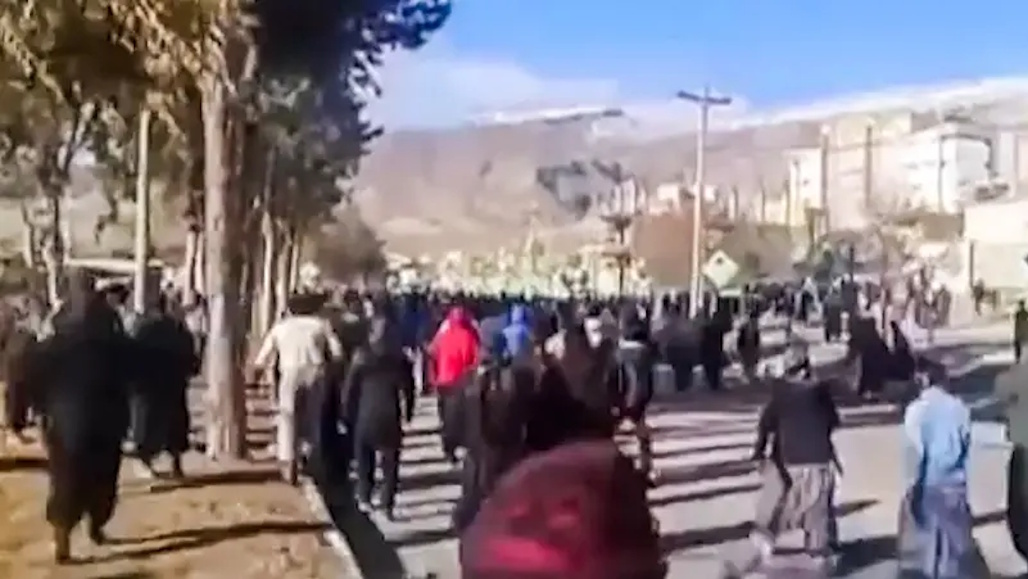
India’s Ministry of External Affairs has issued a formal advisory urging its citizens to refrain from all non-essential travel to Iran amid escalating nationwide protests and growing security concerns. The ministry also called on Indian nationals already in the country to exercise extreme caution, avoid all areas where demonstrations are occurring, and strictly adhere to safety guidelines issued by local authorities.
The advisory, released on Monday, emphasized the volatile and unpredictable nature of the situation. It instructed Indian citizens in Iran to closely monitor real-time updates through the Indian Embassy’s official social media channels and website, and to register their contact details with the diplomatic mission to facilitate emergency communication and potential assistance.
Unrest Rooted in Deepening Economic Crisis
The current wave of protests erupted in Tehran last Sunday, initially led by shopkeepers and traders angered by the drastic devaluation of Iran’s rial against the U.S. dollar. The currency’s collapse has triggered severe inflation, skyrocketing prices for basic goods, and a precipitous decline in household purchasing power.
Economic hardship has long been a catalyst for public discontent in Iran. The country faces immense pressure from a combination of stringent international sanctions, chronic high inflation, and persistent unemployment, which have collectively eroded living standards for ordinary Iranians.
Protests Spread and Intensify
What began as localized economic demonstrations has rapidly evolved into broader anti-government unrest. Videos circulating on social media show protests spreading to multiple cities, including Isfahan, Karaj, and Mashhad. In these gatherings, protesters have been heard chanting slogans that express widespread frustration over economic mismanagement and governance, signaling a significant expansion of the demonstrations’ scope.
Reported Crackdown and International Response
International human rights groups and some media outlets report that Iranian security forces have responded to the protests with a forceful crackdown. Unverified reports suggest that between eight and 18 protesters may have been killed, with dozens more arrested. Official Iranian sources have not confirmed these figures, and internet disruptions have been widely reported, complicating the verification of events on the ground.
The situation has drawn sharp international attention. U.S. President Donald Trump issued a warning, stating that Washington would hold Iran’s government accountable if violence against protesters continued. Other Western nations have expressed concern, highlighting the potential for further diplomatic isolation of Tehran.
Broader Implications
Analysts suggest the prolonged unrest underscores deep-seated socio-economic tensions within Iran and poses a serious challenge to internal stability. For the international community, the immediate priority remains the safety of foreign nationals. Several other countries are expected to issue similar travel advisories as the situation develops, reflecting global apprehension about a potential escalation.
The Indian advisory concludes by providing emergency contact details for its embassy in Tehran and consulates, reinforcing the government’s commitment to the welfare of its citizens abroad during periods of international crisis.
Our Pashto-Dari Website

Support Dawat Media Center
If there were ever a time to join us, it is now. Every contribution, however big or small, powers our journalism and sustains our future. Support the Dawat Media Center from as little as $/€10 – it only takes a minute. If you can, please consider supporting us with a regular amount each month. Thank you
DNB Bank AC # 0530 2294668
Account for international payments: NO15 0530 2294 668
Vipps: #557320

Comments are closed.