
Iran’s Deadly Crackdown Appears to Quell Protests for Now, Rights Groups and Residents Say

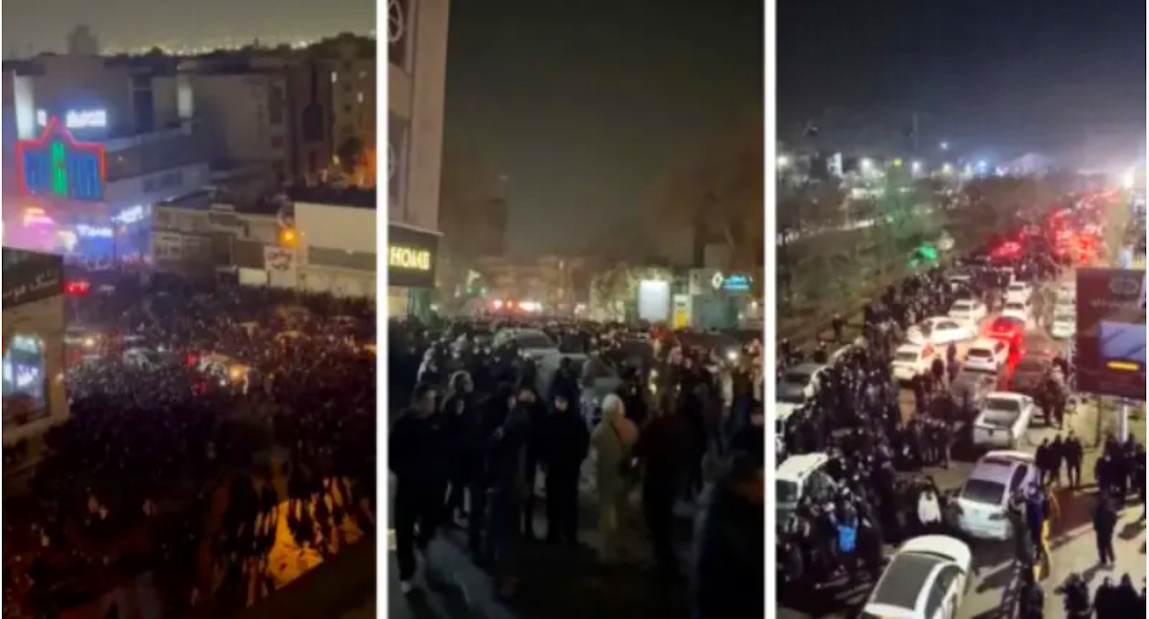
Tehran, Iran – A severe security crackdown by Iranian authorities appears to have broadly suppressed the nationwide protest movement, at least temporarily, according to human rights monitors and residents, even as reports of sporadic unrest and new arrests emerged.
The apparent lull follows weeks of intense demonstrations that erupted in late December over economic grievances before spiraling into one of the most significant popular challenges to Iran’s theocratic establishment in decades. The state response has been fierce, involving a near-total internet shutdown, heavy deployments of security forces, and lethal violence against protesters.
A Tense and Restricted Calm
With information flows severely obstructed, several residents of Tehran described the capital as quiet since Sunday, noting drones flying overhead and an absence of visible protests on Thursday and Friday. Similar reports of calm came from a resident in a northern city on the Caspian coast. All sources declined to be identified for fear of reprisals.
The Norway-based Iranian-Kurdish rights group Hengaw corroborated these accounts, stating there have been no protest gatherings since Sunday and that “the security environment remains highly restrictive.”
“Our independent sources confirm a heavy military and security presence in cities and towns where protests previously took place, as well as in several locations that did not experience major demonstrations,” Hengaw told Reuters.
Iranian state media echoed this narrative, with the police chief stating calm had been restored across the country. State television broadcast funerals on Friday for several members of the security forces killed in Semnan and Semirom.
Persisting Unrest and Mounting Casualties
Despite the broader calm, indications of sporadic unrest persist. Hengaw reported that a female nurse was killed by direct gunfire from government forces during protests in Karaj, west of Tehran—a report Reuters could not independently verify. In central Isfahan Province, the state-affiliated Tasnim news agency said rioters set fire to a local education office.
An elderly resident in Iran’s turbulent northwest, home to many Kurdish Iranians, said sporadic protests had continued, though less intensely. She described earlier scenes of violence as unprecedented in her experience.
The human cost of the crackdown continues to mount. U.S.-based rights group HRANA reported a death toll that has changed little since Wednesday, currently standing at 2,677, including 2,478 protesters and 163 individuals affiliated with the government. Reuters could not independently verify this figure. An Iranian official earlier told the news agency that about 2,000 people had been killed. These numbers far exceed the toll from previous bouts of unrest in Iran.
Arrests and Accusations
Authorities have intensified arrests, framing the unrest as a foreign-backed insurgency. Tasnim reported the arrest of a “large number” of what it called leaders of recent riots in Kermanshah province, and five people accused of vandalizing a gas station and a Basij base in Kerman. The Basij, a volunteer militia embedded within the Islamic Revolutionary Guard Corps (IRGC), has been at the forefront of suppressing protests.
Iranian officials have consistently described the protests as the most violent in years, accusing “foreign enemies” of fomenting them and armed “terrorists” of attacking security forces.
International Diplomacy and Warnings
The crisis has drawn intense international scrutiny and diplomacy. A Gulf official said U.S. allies, including Saudi Arabia and Qatar, conducted urgent talks with Washington this week to deter a potential American military strike, warning of catastrophic regional consequences.
U.S. President Donald Trump, who had issued repeated threats of military action in support of protesters, stated on Wednesday he had been told the killings were easing, a remark that reduced immediate fears of a U.S. attack. However, the White House said Thursday that Trump is “closely monitoring” the situation and that Tehran has been warned of “grave consequences” if the lethal crackdown continues.
White House spokesperson Karoline Leavitt added that Trump is aware of reports that 800 scheduled executions were halted and is keeping “all of his options on the table.”
The protests began on December 28 over soaring inflation in an economy crippled by U.S. sanctions but swiftly transformed into rallies against the Islamic Republic itself, with particular anger directed at the country’s moral police and Supreme Leader Ayatollah Ali Khamenei. While the security forces have now stamped out public demonstrations for the moment, the profound social and political grievances that fueled them remain unresolved, suggesting the current calm may be fragile.
Our Pashto-Dari Website

Support Dawat Media Center
If there were ever a time to join us, it is now. Every contribution, however big or small, powers our journalism and sustains our future. Support the Dawat Media Center from as little as $/€10 – it only takes a minute. If you can, please consider supporting us with a regular amount each month. Thank you
DNB Bank AC # 0530 2294668
Account for international payments: NO15 0530 2294 668
Vipps: #557320

Comments are closed.