
Israel Pounds Lebanon With Heavy Strikes, Expands Ground Operations Beyond Security Zone

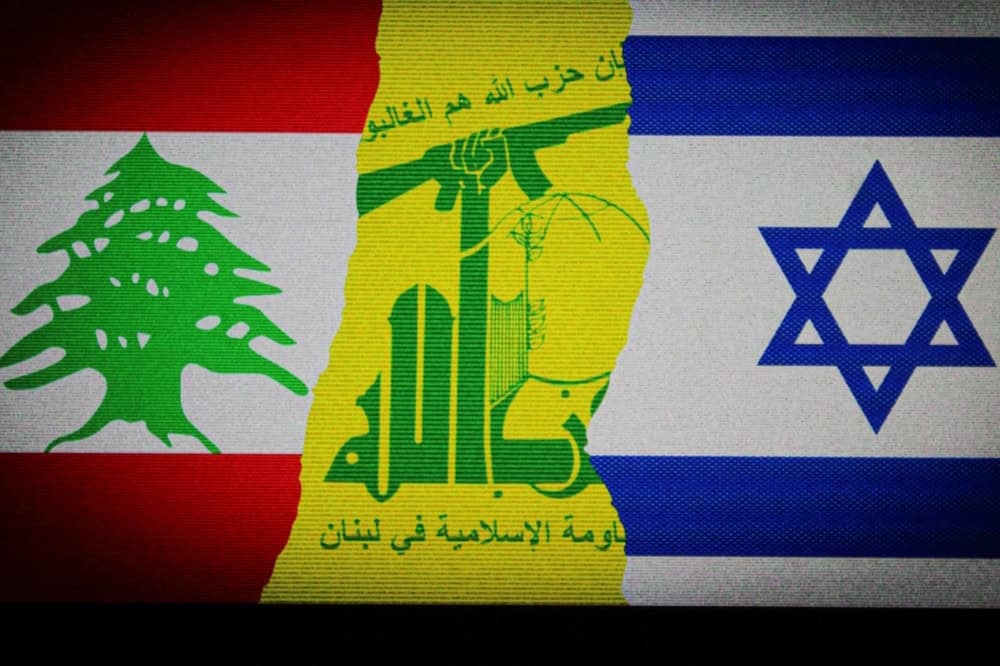
Israeli forces intensified their military campaign in Lebanon on Tuesday, launching more than 120 airstrikes across southern and eastern regions while expanding ground operations beyond a self-declared security zone near the border, according to Lebanese security sources and Israeli officials.
The escalation marked one of the heaviest days of Israeli bombardment in weeks and further strained a fragile ceasefire announced on April 16 that had aimed to halt hostilities between Israel and the Iran-backed militant group Hezbollah. The renewed fighting came amid growing regional tensions, with Iran accusing the United States of violating a separate truce after strikes in southern Iran.
Fierce Clashes Along the Litani River
Israeli troops and Hezbollah fighters clashed along the Litani River, a strategic waterway in southern Lebanon that has effectively become a dividing line between Israeli-controlled territory and Hezbollah-held areas. The river lies north of the zone where Israeli forces have maintained a military presence despite the ceasefire.
Israeli Prime Minister Benjamin Netanyahu said the military was expanding operations deeper into Lebanon following consultations with defense and military officials.
“The Israeli Defense Forces are operating with large forces on the ground and seizing strategic areas,” Netanyahu said. “We are fortifying the security strip to protect the northern communities.”
Israeli officials argue the expanded buffer zone is necessary to prevent Hezbollah rocket and drone attacks on Israeli towns near the border.
Two regional sources said Israeli troops had moved beyond the so-called “Yellow Line,” a proposed buffer area extending between 5 and 10 kilometers into southern Lebanon. The line is separate from the UN-demarcated “Blue Line,” which marks the internationally recognized border established after Israel’s withdrawal from Lebanon in 2000.
Heavy Casualties Reported
Lebanon’s Health Ministry said Israeli strikes killed at least 31 people and wounded 40 others within hours. Among the dead were 14 residents of the southern town of Burj al-Shamali, including women and children.
In eastern Lebanon, an Israeli strike on the village of Mashghara reportedly killed 12 people, several from the same family, according to Lebanon’s National News Agency.
Some strikes landed near the historic Beaufort Castle, a nearly 900-year-old Crusader fortress recognized by UNESCO as one of the region’s best-preserved medieval landmarks. Additional strikes targeted areas near the Qaraoun Dam in the Bekaa Valley, Lebanon’s largest water reservoir along the Litani River. Authorities said the dam itself was not directly damaged.
Lebanese officials say the cumulative death toll since the latest conflict erupted on March 2 has reached more than 3,200 people, with over 9,700 wounded. More than one million residents have reportedly been displaced.
Hezbollah Responds With Drones and Rockets
Hezbollah said its fighters launched rockets, artillery shells, and explosive drones at Israeli troops and tanks advancing toward the southern towns of Yohmor al-Shaqif and Zawtar al-Sharqiya near the Litani River.
The group’s Al-Manar television channel claimed Hezbollah forces had repelled Israeli advances along the riverbanks.
Israeli officials say Hezbollah has increasingly relied on fiber-optic drones that are difficult to intercept, posing a growing challenge for Israeli defenses. Israel’s military reported that 10 Israeli soldiers have been killed since the April ceasefire, six of them in Hezbollah drone attacks.
An Israeli military official said troops were operating “in a targeted manner beyond the Forward Defense Line in order to remove direct threats” to Israeli civilians and soldiers.
Ceasefire Under Growing Pressure
The current ceasefire appears increasingly fragile as both sides escalate attacks almost daily. Hezbollah insists it will continue fighting until Israel ends its airstrikes and withdraws from Lebanese territory, while Israel says it will not pull back until Hezbollah no longer threatens northern Israeli communities.
The fighting has also complicated wider diplomatic efforts tied to the regional confrontation involving Iran. Tehran has reportedly pushed for any broader agreement to include an end to Israeli military operations in Lebanon.
Direct talks between Lebanese and Israeli delegations are expected in Washington in the coming days under U.S. mediation. Lebanon’s government hopes negotiations could eventually secure a permanent ceasefire and a full Israeli withdrawal from southern Lebanon.
Fear and Uncertainty in Beirut
Although Beirut has largely been spared from bombardment since the ceasefire began, anxiety is rising among residents as Israeli operations intensify elsewhere in the country.
“By just saying a few words on TV, Netanyahu causes everyone to panic and flee their homes,” said Tony Aboud, a resident of Beirut’s Hamra district. “I don’t know what’s going to happen and how long we can live like this.”
Israeli leaders have signaled that further escalation may be imminent.
“What this requires of us now is to increase the blows, to increase the intensity,” Netanyahu said Monday. “We will smite them hip and thigh.”
The latest escalation underscores the growing risk that the Israel-Hezbollah conflict could widen into a broader regional war despite ongoing international diplomatic efforts to contain it.

Support Dawat Media Center
If there were ever a time to join us, it is now. Every contribution, however big or small, powers our journalism and sustains our future. Support the Dawat Media Center from as little as $/€10 – it only takes a minute. If you can, please consider supporting us with a regular amount each month. Thank you
DNB Bank AC # 0530 2294668
Account for international payments: NO15 0530 2294 668
Vipps: #557320

Comments are closed.