
UN Chief: Press Freedom Essential for Peace and Human Rights, as 85% of Crimes Against Journalists Go Unpunished

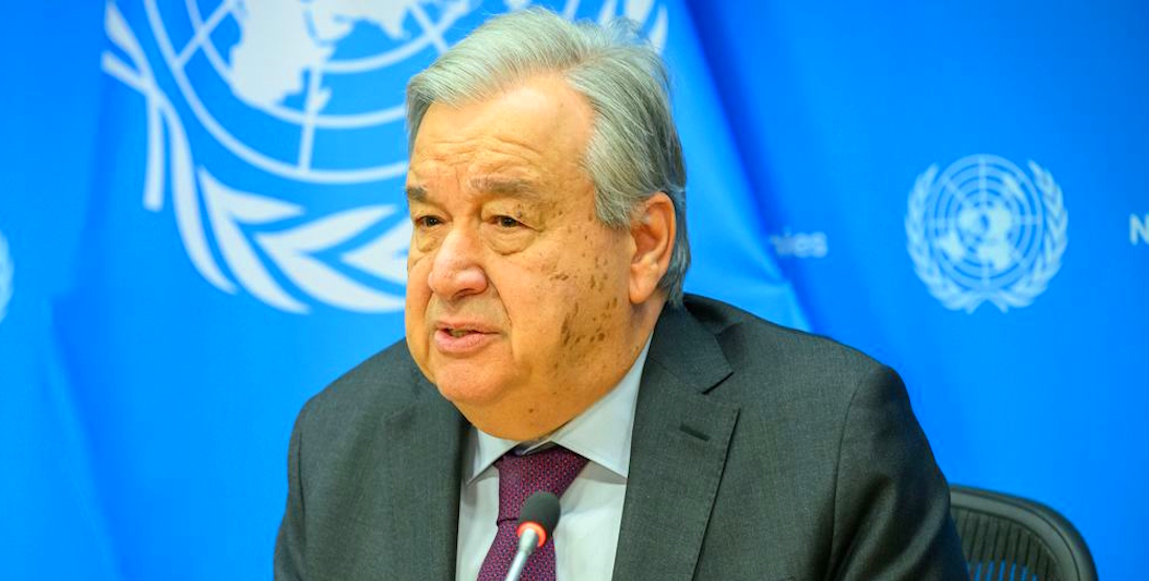
United Nations – On the occasion of World Press Freedom Day, observed annually on 3 May, United Nations Secretary General António Guterres reaffirmed that press freedom is a cornerstone of peace, sustainable development, and human rights. He warned that without a free and independent media, no other freedoms can flourish.
“All freedoms depend on press freedom,” Guterres said, stressing that journalists must be actively protected. He called for a world where “truth and truth-tellers” can operate in safety and without fear, and cautioned that weakening journalism makes it far more difficult to prevent and resolve crises, as access to reliable information is essential for stability and accountability.
In a stark reminder of the dangers facing media workers, Guterres revealed that 85% of crimes committed against journalists worldwide go uninvestigated or unpunished a figure that underscores a global crisis of accountability. He noted that in recent years, the number of journalists killed, particularly in war-affected regions, has increased, with many attacks appearing to be deliberate attempts to silence reporting. Journalists face severe risks including censorship, surveillance, legal pressure, intimidation, and targeted killings.
The Secretary-General also cautioned that economic pressure, emerging technologies, and information manipulation are increasingly undermining independent journalism. According to him, this weakening of the media fuels public distrust, erodes social cohesion, and hampers conflict prevention and resolution.
UNESCO, the UN agency responsible for promoting press freedom, emphasized that free and trustworthy journalism plays a fundamental role in building peace and strengthening informed societies. Meanwhile, UNICEF noted that restrictions on access to information indirectly harm children by limiting awareness, education, and access to essential services.
Afghanistan: A Case Study in Press Freedom Collapse
The situation in Afghanistan illustrates these dangers in sharp relief. Since the return of Taliban rule, press freedom has sharply deteriorated. Journalists face systematic censorship, arrests, and operational restrictions. Many media outlets have been closed or placed under heavy control, and independent reporters operate under constant fear of detention or harassment for critical reporting.
Female journalists have been hit hardest. Many have been barred from work, forced into exile, or face additional barriers including workplace bans and movement restrictions—drastically reducing women’s participation in the media sector.
Reporters Without Borders warns that Afghanistan remains one of the most restrictive environments for journalists globally, citing systematic censorship and declining media independence. Richard Bennett, the UN Special Rapporteur on the situation of human rights in Afghanistan, has repeatedly called for stronger international protection for journalists, highlighting the growing risks faced by media workers under repressive regimes and in conflict conditions.
As Guterres concluded, protecting press freedom is not merely a matter of professional safety it is a matter of global peace, justice, and the future of informed societies.
Our Pashto-Dari Website

Support Dawat Media Center
If there were ever a time to join us, it is now. Every contribution, however big or small, powers our journalism and sustains our future. Support the Dawat Media Center from as little as $/€10 – it only takes a minute. If you can, please consider supporting us with a regular amount each month. Thank you
DNB Bank AC # 0530 2294668
Account for international payments: NO15 0530 2294 668
Vipps: #557320

Comments are closed.