
US Federal Judge Strikes Down Trump-Era Visa Suspension for 75 Countries, Including Afghanistan

A U.S. federal judge has struck down a Trump administration policy that suspended the issuance of immigrant visas to applicants from 75 countries—including Afghanistan ruling that the directive overstepped the statutory authority of the Secretary of State and violated federal immigration law.
U.S. District Judge Jeannette Vargas, sitting in Manhattan, delivered a sweeping rebuke of the policy, describing it as “patently unlawful.” In her ruling, Judge Vargas held that the suspension conflicted with the Immigration and Nationality Act (INA) by imposing a categorical, nationality-based bar on visa issuance, thereby preventing consular officers from conducting the case-by-case determinations that federal law requires.
The State Department introduced the suspension in January, targeting countries across South Asia, Africa, the Middle East, Latin America, the Caribbean, and the Balkans. Among the most affected nations were Afghanistan, Pakistan, and Bangladesh. At the time, the department justified the measure by asserting that applicants from the designated countries posed a heightened risk of becoming “public charges” that is, dependent on government assistance programs upon arrival in the United States.
The ruling came in response to a lawsuit filed by a coalition of immigrant-rights organizations, individual visa applicants, and U.S. citizens who were sponsoring family members from the affected nations. The plaintiffs argued that the blanket suspension unlawfully stripped consular officers of the discretion to weigh each applicant’s unique circumstances, including financial stability, family ties, and humanitarian considerations factors that are explicitly protected under existing immigration statutes.
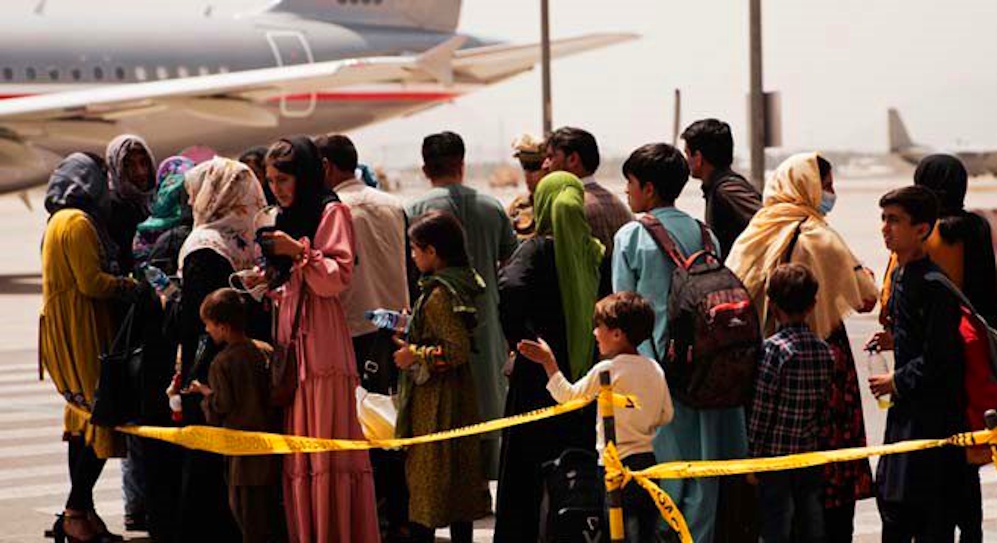
For Afghan applicants, the decision marks a significant, though partial, victory. Many have been waiting years for immigrant visas through family-based petitions or other lawful pathways, and the ruling removes one major procedural obstacle. However, the judge’s order does not automatically entitle any applicant to a visa, nor does it lift all restrictions on Afghan immigration. Each case will still be subject to standard eligibility reviews, security clearances, and background checks. Additionally, other U.S. entry restrictions such as those imposed under separate presidential proclamations or public health orders remain fully in effect and are not affected by this ruling.
This decision adds to a growing list of legal setbacks for the Trump administration’s broader immigration enforcement agenda, which has sought to expand executive authority over admissions and border control. Administration officials have consistently defended these measures as necessary to strengthen vetting procedures and protect national security. Critics, however including civil rights attorneys and immigrant advocates contend that many of these policies arbitrarily target specific nationalities, undermine due process, and impose de facto bans that Congress never authorized.
While the Biden-era Justice Department has not yet indicated whether it will appeal Judge Vargas’s ruling, legal observers expect the case to continue working its way through the federal court system. For now, the decision restores a measure of individualized review for thousands of would-be immigrants from the affected countries offering renewed hope to families separated by years of bureaucratic limbo.
Our Pashto-Dari Website

Support Dawat Media Center
If there were ever a time to join us, it is now. Every contribution, however big or small, powers our journalism and sustains our future. Support the Dawat Media Center from as little as $/€10 – it only takes a minute. If you can, please consider supporting us with a regular amount each month. Thank you
DNB Bank AC # 0530 2294668
Account for international payments: NO15 0530 2294 668
Vipps: #557320

Comments are closed.