

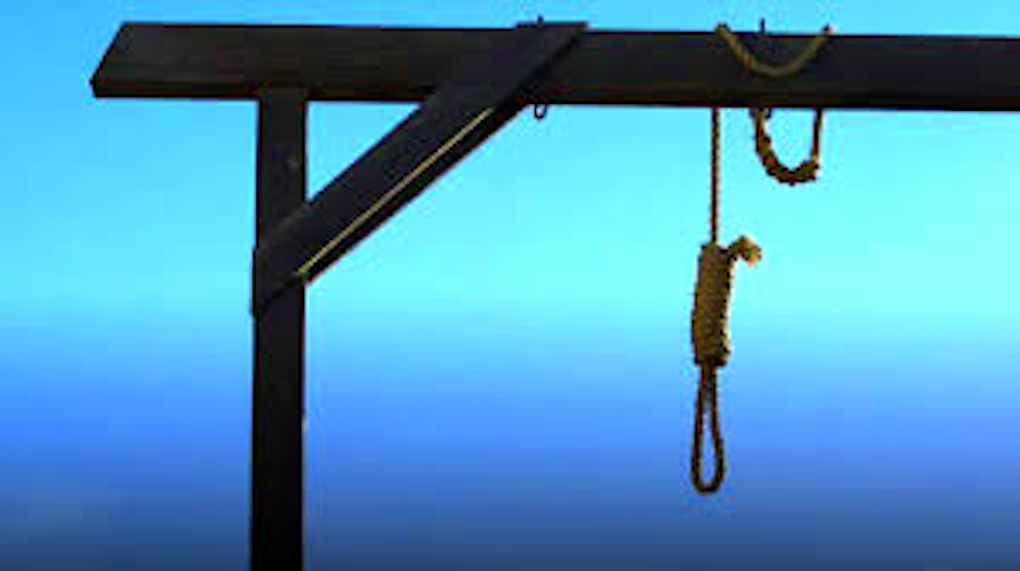
A rights organization has reported the execution of an Afghan national in southeastern Iran, underscoring persistent concerns over the treatment of Afghan detainees amid a sharp increase in deportations and prisoner transfers.
The human rights group HalVash reported that an Afghan citizen was executed in Iran on Wednesday after being convicted on drug-related charges. The execution took place at Zahedan Prison in Iran’s Sistan and Baluchestan Province, a region that has seen frequent clashes between security forces and armed groups, including drug traffickers.
According to HalVash, the prisoner was identified as Abdullah Jalali, a 25-year-old married father of two from the Khash Rud district of Afghanistan’s Nimroz province. The organization stated that he was arrested in Zahedan approximately four years ago at age 21 on allegations related to narcotics offenses. HalVash said Jalali had remained in custody since his arrest and was executed after serving his sentence. Hengaw, another human rights organization, also confirmed the execution.
The reported execution comes as rights groups continue to raise concerns about the use of the death penalty in Iran, particularly in drug-related cases. Human rights organizations have repeatedly called for greater transparency in judicial proceedings and for legal protections for foreign nationals facing capital punishment. The execution follows closely on the heels of other recent executions in Iran, with rights groups reporting that at least eight prisoners were put to death across the country in recent days, including individuals convicted of drug offenses and premeditated murder.
This case also emerges amid growing challenges facing Afghan migrants and refugees in neighboring countries. In recent months, hundreds of Afghan prisoners have been transferred from Iranian prisons to Afghanistan. According to Afghan prison authorities, 573 Afghan inmates serving sentences in Iran were recently repatriated through the Islam Qala border crossing as part of an ongoing process. An Iranian prosecutor confirmed that 408 Afghan convicts were transferred through the Dogharoun border crossing alone, with the majority of their crimes involving narcotics. The transfers are part of a judicial agreement between Tehran and Kabul, representing the 11th such phase of repatriation since the Islamic Emirate returned to power. In total, 2,206 cases of Afghan convicts in Iran were reviewed, with 1,206 deemed eligible for transfer. Meanwhile, reports indicate that Iran has been accelerating deportations and executions in drug-related cases involving Afghan refugees.
International agencies have warned that the mass return of Afghans is placing additional pressure on communities already struggling with economic hardship, limited access to services, and a worsening humanitarian crisis. Rights advocates have urged regional governments to ensure that Afghan migrants, refugees, and detainees are treated in accordance with international legal and human rights standards. Iranian authorities have not publicly commented on the execution of Abdullah Jalali.
Our Pashto-Dari Website

Support Dawat Media Center
If there were ever a time to join us, it is now. Every contribution, however big or small, powers our journalism and sustains our future. Support the Dawat Media Center from as little as $/€10 – it only takes a minute. If you can, please consider supporting us with a regular amount each month. Thank you
DNB Bank AC # 0530 2294668
Account for international payments: NO15 0530 2294 668
Vipps: #557320

Comments are closed.