

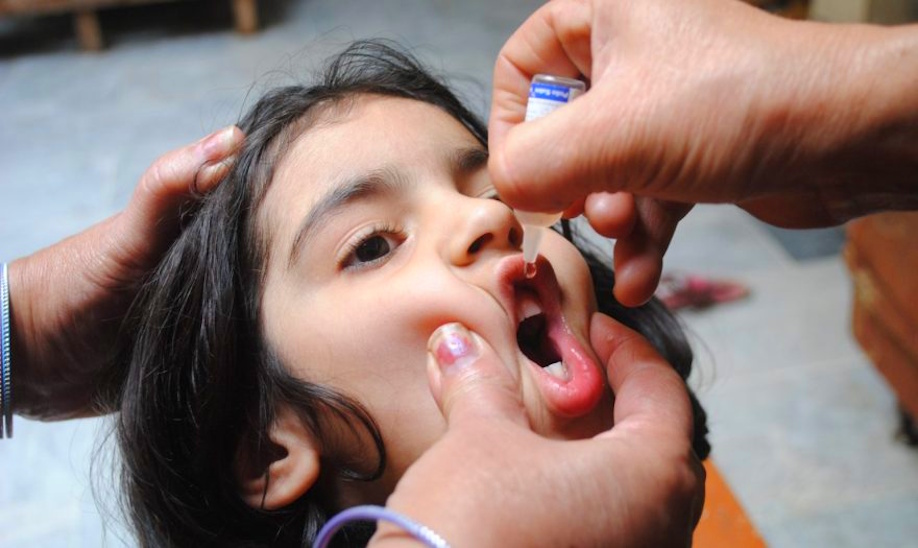
Kabul, Afghanistan — Some families in Afghanistan are refusing or delaying childhood vaccinations because of concerns about side effects, rumours linking vaccines to infertility, and distrust of health institutions, leaving children vulnerable to diseases that can be prevented through immunization.
Soriya, a mother of three children aged 12, eight, and five, said none of her children had received vaccines, arguing that their good health so far had made her question the need for immunization.
“None of my three children has been vaccinated, and thank God, they are healthy so far,” she said. “You consider vaccines very important, but those who refuse them must have their reasons. Parents care about their children’s health more than anyone else.”
Her perspective reflects a broader pattern observed across parts of Afghanistan, where decades of conflict, limited access to reliable health information, and deep-rooted mistrust of external institutions have combined to create significant barriers to routine immunization. In many communities, anecdotal evidence of healthy unvaccinated children reinforces doubts about vaccine necessity, even as health experts warn that such perceptions can be dangerously misleading.
Experts Warn of Hidden Risks
Health experts caution that a child remaining healthy without vaccination does not mean the child is protected against infectious diseases. Vaccines prepare the immune system to recognize and fight specific infections before exposure, reducing the risk of serious illness, disability, and death. The absence of illness in an unvaccinated child is often attributable to herd immunity the protection conferred when a sufficient proportion of the surrounding population is immunized rather than to any inherent resilience.
Maryam, who asked to be identified by a pseudonym, described the death of a neighbour’s one-year-old child following a high fever. She said she later learned that the child’s mother had not arranged vaccination because she was waiting for the baby to gain weight. However, no medical diagnosis was provided to establish the cause of death or determine whether it was related to a vaccine-preventable disease.
Such delays, while often rooted in a desire to protect the child, can leave infants exposed during the very period when they are most vulnerable to complications from diseases such as measles and whooping cough.
Health Workers Face Hostility
Meanwhile, Tamana, a vaccinator, said some health workers face verbal abuse and hostility while trying to provide immunization services to children.
“Insulting and humiliating vaccination workers is also wrong,” she said, recalling an incident in which residents called her team “vaccine beggars,” used abusive language, and told them not to return. She questioned why health workers trying to protect children’s health were being treated with hostility.
The harassment of vaccination teams most of whom are women has a chilling effect on outreach efforts, particularly in conservative areas where female health workers already face significant restrictions on mobility and community interaction. In some districts, vaccinators have reported being denied entry to homes or having their equipment confiscated.
No Credible Evidence Linking Vaccines to Infertility
Dr. Mohammad Iqbal Anosh, an internal medicine and paediatrics specialist interviewed for the report, said there was no credible scientific evidence that childhood vaccines cause infertility in girls or boys. He explained that vaccines stimulate the immune system to develop protection against specific diseases and undergo scientific assessments of quality, safety, and effectiveness before being introduced into official immunization programmes.
The World Health Organization (WHO) also rejects claims linking vaccination to infertility, stating that there is no scientific evidence that vaccination reduces a person’s ability to have children naturally. It says most vaccine side effects are mild and short-lived, such as a sore arm or mild fever, while serious reactions are extremely rare. Vaccines are also subject to continued safety monitoring after their introduction.
Despite these assurances, misinformation about vaccine-induced infertility has circulated widely on social media and through word-of-mouth networks in Afghanistan, often amplified by distrust of foreign-funded health programmes. Similar rumours have disrupted immunization campaigns in Pakistan and Nigeria, where they were similarly debunked by health authorities.
Rising Disease Risks
Anosh warned that refusing or delaying childhood immunization increases the risk of diseases including measles, polio, whooping cough, and diphtheria, some of which can cause pneumonia, brain inflammation, permanent paralysis, and death. Unvaccinated children can also contribute to the spread of infectious diseases within their communities, placing immunocompromised individuals and those too young to be vaccinated at risk.
The risks are particularly significant in Afghanistan. WHO data recorded 18,260 reported measles cases in the country in 2025, compared with 9,769 in 2024 a nearly twofold increase that highlights the continuing challenge of protecting children against the highly contagious disease. Measles, which can cause severe diarrhoea, pneumonia, and encephalitis, is one of the leading causes of death among young children globally, despite the availability of a safe and effective vaccine.
Polio remains endemic in Afghanistan and Pakistan, the only two countries where the wild virus has never been eliminated. Insecurity and vaccine hesitancy have repeatedly hampered eradication efforts, with some campaigns suspended in areas controlled by armed groups.
Global Picture
Globally, WHO and UNICEF reported in July 2026 that approximately 116 million infants, or 90 percent of the world’s total, received at least one dose of the diphtheria, tetanus, and pertussis (DTP) vaccine in 2025. Around 110 million, or 85 percent, completed the recommended three-dose series. However, 13.5 million infants received no vaccines during their first year of life, while another 7.3 million began vaccination but did not complete the initial stages of the schedule.
These figures represent a modest improvement over pandemic-era declines but still fall short of the 95 percent coverage threshold needed to prevent outbreaks of highly transmissible diseases. The “zero-dose” children—those who have received no vaccines at all are concentrated in low and middle-income countries affected by conflict, displacement, and weak health systems.
Afghanistan’s Immunization Efforts
Afghanistan has also undertaken large-scale efforts to close immunization gaps. In November 2025, WHO, UNICEF, and Gavi announced that two phases of a nationwide measles vaccination campaign had reached more than 16.6 million children aged six months to 10 years. The organizations said strengthening routine immunization remained essential to ensuring that children received the full protection they needed.
The campaign, conducted in coordination with the Ministry of Public Health, involved thousands of vaccinators and community mobilizers deployed across all 34 provinces. Health officials described it as one of the largest public health initiatives in the country’s recent history, though they acknowledged that reaching children in remote and conflict-affected areas remained difficult.
Rebuilding Trust
Anosh said restoring public confidence requires clear health information, respectful engagement with parents, and greater involvement of trusted community figures, including religious scholars and tribal elders. Making accurate information available through mosques, schools, and health centres could also help counter rumours and encourage families to complete their children’s vaccination schedules.
“People trust those they know,” Anosh said. “When a respected elder or an imam explains that vaccines protect children, it carries more weight than a pamphlet or a radio advertisement.”
Health organizations working in Afghanistan have increasingly adopted community-based approaches, training local volunteers to serve as vaccine advocates and addressing concerns in one-on-one conversations rather than through top-down messaging. The approach has shown promise in areas where formal health services are viewed with suspicion, but scaling it nationally remains a challenge amid funding constraints and ongoing insecurity.
For mothers like Soriya, the decision to vaccinate or not is rarely made in isolation. It is shaped by what they hear from neighbours, what they see in their communities, and whether they believe the health system has their children’s best interests at heart. Bridging that gap between scientific evidence and lived experience may prove as critical to Afghanistan’s immunization efforts as any vaccine itself.
Our Pashto-Dari Website

Support Dawat Media Center
If there were ever a time to join us, it is now. Every contribution, however big or small, powers our journalism and sustains our future. Support the Dawat Media Center from as little as $/€10 – it only takes a minute. If you can, please consider supporting us with a regular amount each month. Thank you
DNB Bank AC # 0530 2294668
Account for international payments: NO15 0530 2294 668
Vipps: #557320

Comments are closed.