

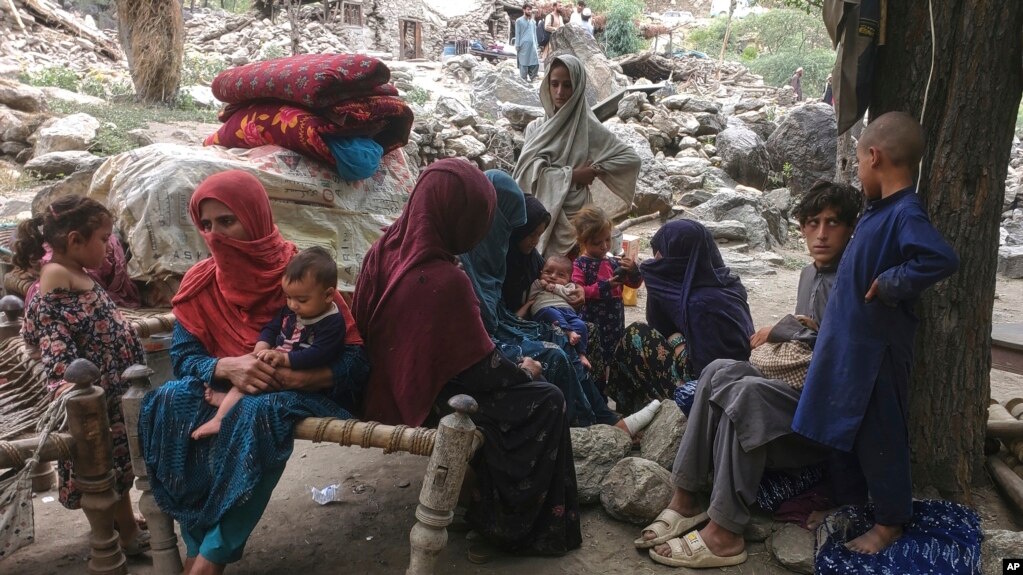
Since the start of 2026, natural disasters have affected more than 92,000 people across all 34 provinces of Afghanistan, resulting in at least 97 deaths and 331 injuries, according to the United Nations Office for the Coordination of Humanitarian Affairs (OCHA).
In its July humanitarian situation report, released on Sunday, August 16, OCHA detailed the widespread destruction: nearly 10,000 homes were damaged, and over 2,100 were completely destroyed. In total, close to 13,000 families amounting to roughly 92,000 individuals have been impacted by disasters such as floods, flash floods, landslides, and other weather-related events since January.
Floods Drive the Crisis
Floods and flash floods have been the primary drivers of disaster-related humanitarian needs, affecting nearly 88,000 people or about 95% of all those impacted. The scale of flooding has overwhelmed communities already grappling with chronic poverty, displacement, and severely limited access to healthcare, clean water, and education. Between July 20 and August 3 alone, nearly 5,000 people across ten provinces including Nuristan, Kabul, Ghazni, Kapisa, Parwan, Laghman, Logar, Paktia, Paktika, and Panjshir were newly affected. Nuristan was the hardest-hit during this period, where floods and landslides killed dozens, destroyed or damaged hundreds of homes, and left thousands in urgent need of emergency shelter and basic supplies.
Regional Impact and Infrastructure Loss
Eastern Afghanistan has recorded the highest number of affected individuals, with more than 51,000 people impacted over half of the national total. Southern and western regions have also suffered significant damage, according to OCHA. The destruction extends well beyond homes: agricultural land, roads, irrigation systems, water networks, and local markets have been severely damaged or wiped out. For families dependent on farming the backbone of rural livelihoods the loss of arable land and access to markets creates immediate food shortages and long-term income insecurity, pushing many further into poverty.
Compounding Vulnerabilities
OCHA warned that the cascading effects of these disasters are deepening the reliance of vulnerable families on humanitarian aid. Communities with few resources to rebuild homes, restore farmland, or replace lost household assets are facing especially grave risks. The latest figures arrive as Afghanistan continues to endure a severe, multi-layered humanitarian crisis, with millions already dependent on assistance. Recurrent floods, droughts, earthquakes, and other natural hazards are compounding existing economic collapse, political instability, and the lingering effects of decades of conflict making recovery increasingly elusive.
Humanitarian Response and Gaps
Despite significant access challenges caused by damaged roads, flooding, and security constraints, humanitarian organizations have scaled up assistance in education, food security, health, protection, shelter, and water and sanitation. However, OCHA and partner agencies have repeatedly stressed that funding remains critically insufficient to meet the growing needs. Early preparedness, disaster risk reduction, and climate change adaptation are urgently needed, yet remain severely underfunded.
The Way Forward
OCHA emphasized that investment in early warning systems, community-based preparedness, resilient infrastructure, and sustainable adaptation measures is essential to reducing the impact of future disasters. As extreme weather events become more frequent and intense driven by global climate change the need for proactive, well-funded strategies has never been more urgent. Without such measures, Afghanistan’s most vulnerable populations will continue to bear the heaviest burden, trapped in a cycle of disaster, displacement, and dependency.
Our Pashto-Dari Website

Support Dawat Media Center
If there were ever a time to join us, it is now. Every contribution, however big or small, powers our journalism and sustains our future. Support the Dawat Media Center from as little as $/€10 – it only takes a minute. If you can, please consider supporting us with a regular amount each month. Thank you
DNB Bank AC # 0530 2294668
Account for international payments: NO15 0530 2294 668
Vipps: #557320

Comments are closed.