
Over 3,000 Afghan Cargo Containers Stranded at UAE’s Jebel Ali Port Amid Middle East Turmoil

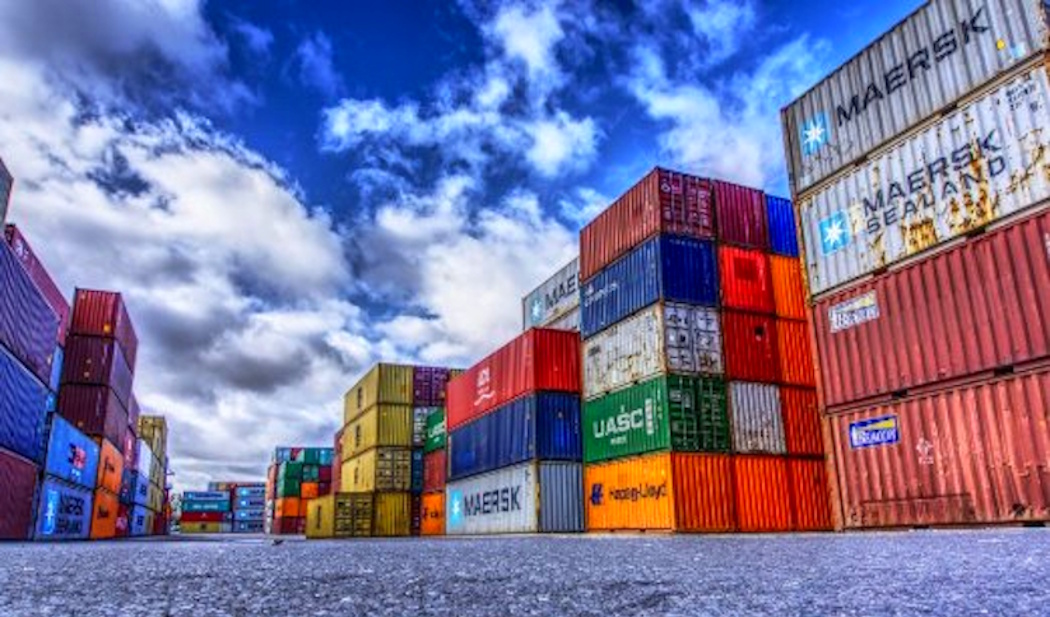
KABUL / DUBAI – Rising tensions across the Middle East have severely disrupted Afghanistan’s trade and transit operations, leaving an estimated 2,500 to 3,000 Afghan cargo containers stranded at the Jebel Ali Port in the United Arab Emirates (UAE), according to senior Afghan business officials.
The Afghanistan Chamber of Commerce and Investment (ACCI) confirmed that the stranded containers hold a mix of raw materials destined for Afghan manufacturing factories, along with commercial goods awaiting transport via regional trade corridors. The backlog, which has been building over several weeks, highlights the vulnerability of landlocked Afghanistan to external shocks.
UAE Halts Transshipments via Iran Citing Security Risks
Khan Jan Alokozay, a board member of the ACCI, told reporters that UAE authorities have stopped allowing Afghan transit goods to be loaded and shipped through Iran due to the deteriorating security situation in the Gulf region.
“Currently, more than 2,500 to 3,000 containers remain at Jebel Ali port, and authorities have ordered that no cargo be loaded because of the unstable situation,” Alokozay said. He added that while some traders had previously moved goods through informal maritime routes, many shipments are now stuck after vessels unloaded cargo at the port.
According to the chamber, Afghan traders have also been explicitly warned by UAE officials not to transport transit goods through Iranian territory. Business owners reportedly face heavy financial penalties due to delayed cargo and mounting storage fees at the port.
Regional Tensions Disrupt Key Trade Lifelines
The disruption comes as tensions involving Iran and Gulf nations around the strategic Strait of Hormuz continue to escalate. Recent incidents involving commercial shipping and heightened military readiness have raised fears of wider instability that could affect global supply chains. Afghan traders say the situation has injected sharp uncertainty into businesses that rely on maritime transit routes through the Persian Gulf.
Afghanistan depends heavily on a handful of regional ports to access international markets, including Karachi and Wagah in Pakistan, Chabahar and Bandar Abbas in Iran, and Jebel Ali in the UAE. However, many of these routes are now facing unprecedented uncertainty due to political tensions, security risks, and shifting trade policies.
Soaring Costs and Rerouting via Southeast Asia
In response to the gridlock, some Afghan importers have already rerouted goods through Malaysia, Indonesia, and India, despite paying significantly higher transportation expenses. These costly alternatives are seen as a temporary workaround to avoid disruptions tied to Gulf tensions and regional insecurity.
Several Afghan citizens and traders report that food prices and other essential goods have become more expensive as supply routes are disrupted and imports delayed. Basic commodities, including cooking oil, flour, and medicine, are among the items facing price hikes.
Economic Warning Signs: Inflation and Shortages Loom
Economists warn that prolonged instability across regional transit corridors could further fuel inflation and exacerbate shortages inside Afghanistan, which already suffers from a fragile post-conflict economy. The country’s reliance on imported goods often exceeding 70% of total supply for some staples makes it acutely sensitive to external shocks.
“Each day of delay at Jebel Ali translates into higher costs for Afghan consumers and businesses alike,” said one Kabul-based economic analyst who spoke on condition of anonymity. “If these routes remain blocked, we could see a sharp rise in prices for manufactured goods and raw materials by late spring.”
Looking North: Alternative Routes Through Central Asia
The Afghanistan Chamber of Commerce and Investment said traders are increasingly boosting imports through northern routes and Central Asian countries, including Uzbekistan, Tajikistan, and Turkmenistan, as alternative supply corridors amid ongoing disruptions in southern maritime channels. While these routes offer some relief, they generally lack the capacity and efficiency of the major southern ports.
The ACCI has called on Afghan authorities and international partners to engage diplomatically with UAE and Iranian officials to secure the release of the stranded containers and ensure the resumption of transit goods. Without urgent intervention, business leaders warn that thousands of containers could remain stuck for months, deepening Afghanistan’s trade crisis.
Our Pashto-Dari Website

Support Dawat Media Center
If there were ever a time to join us, it is now. Every contribution, however big or small, powers our journalism and sustains our future. Support the Dawat Media Center from as little as $/€10 – it only takes a minute. If you can, please consider supporting us with a regular amount each month. Thank you
DNB Bank AC # 0530 2294668
Account for international payments: NO15 0530 2294 668
Vipps: #557320

Comments are closed.