
Afghanistan Calls for Global Cooperation on Climate Change as Environmental Risks Intensify

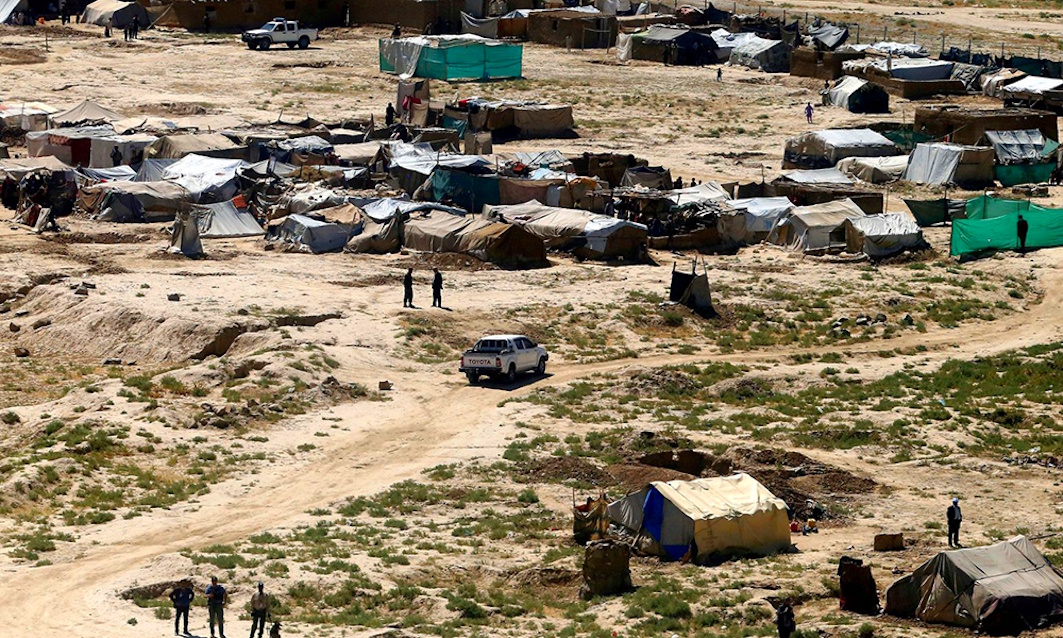
Afghanistan has renewed its call for stronger international cooperation to address the growing threat of climate change, urging global organizations and humanitarian partners to work with the country without political considerations as environmental challenges continue to intensify across the nation.
Zabihullah Mujahid, spokesperson for the Islamic Emirate, stated that the Afghan government has developed broad and practical plans aimed at reducing the impact of climate-related disasters, particularly floods and droughts that have repeatedly devastated large parts of the country in recent years.
Afghanistan is considered one of the world’s most climate-vulnerable countries. Severe droughts, sudden flash floods, glacier melting, desertification, and unpredictable rainfall patterns are increasingly affecting agriculture, water resources, and rural livelihoods. These environmental pressures have placed millions of Afghans at greater risk of poverty, displacement, and food insecurity.
Climate experts say Afghanistan’s heavy dependence on agriculture, weak infrastructure, limited financial resources, and decades of conflict have significantly increased the country’s vulnerability to climate-related disasters. Much of the population relies on farming and livestock for survival, making changing weather conditions especially damaging to local communities and the national economy.
Analysts warn that climate change is already contributing to internal displacement, worsening food shortages, and deepening humanitarian challenges throughout the country. They emphasize that climate resilience must become a central part of Afghanistan’s national development strategy, including long-term planning in sectors such as agriculture, water management, renewable energy, forestry, and urban development.
Specialists also stress the importance of preventive and early-response measures before disasters occur. Investments in flood protection systems, drought preparedness, reforestation, improved irrigation, and early-warning mechanisms could significantly reduce both human casualties and financial losses associated with emergency response and recovery efforts.
Officials note that the effects of climate change are being felt nationwide, although regions in the north, northwest, west, southwest, and the central highlands remain among the most vulnerable areas. In many provinces, recurring droughts have already reduced crop production, depleted groundwater supplies, and forced families to migrate in search of basic necessities.
Environmental experts further argue that Afghanistan cannot effectively confront climate change alone and requires sustained international support, technical assistance, and climate financing to strengthen resilience and protect vulnerable communities. They say cooperation on environmental issues should remain separate from political disputes, as climate change poses a shared global challenge that directly threatens the lives and livelihoods of millions of Afghans.
Afghanistan maintains that stronger engagement from the international community is essential to help the country adapt to climate-related challenges, improve disaster preparedness, and support sustainable development efforts in the years ahead.
Our Pashto-Dari Website

Support Dawat Media Center
If there were ever a time to join us, it is now. Every contribution, however big or small, powers our journalism and sustains our future. Support the Dawat Media Center from as little as $/€10 – it only takes a minute. If you can, please consider supporting us with a regular amount each month. Thank you
DNB Bank AC # 0530 2294668
Account for international payments: NO15 0530 2294 668
Vipps: #557320

Comments are closed.