Suspected Cases Surge Nearly Fivefold in October
The World Health Organization (WHO) has reported a sharp escalation in suspected dengue cases across Afghanistan, with 1,675 suspected infections and one death recorded in October 2026 a nearly fivefold increase compared with the previous month. The fatality marks the country’s first dengue-related death of the year.
According to WHO’s Afghanistan Emergency Situation Report for October, the figures represent a dramatic rise from September, when 364 suspected cases and no deaths were documented. The October total corresponds to an increase of approximately 360 percent or nearly 4.6 times the September figure within a single month.
First Dengue Death Since January
The October fatality was the first reported dengue-related death in Afghanistan since January 2026, according to the organization. WHO characterized the surge as consistent with the disease’s usual seasonal pattern, suggesting that the autumn months typically see heightened transmission.
Understanding Dengue
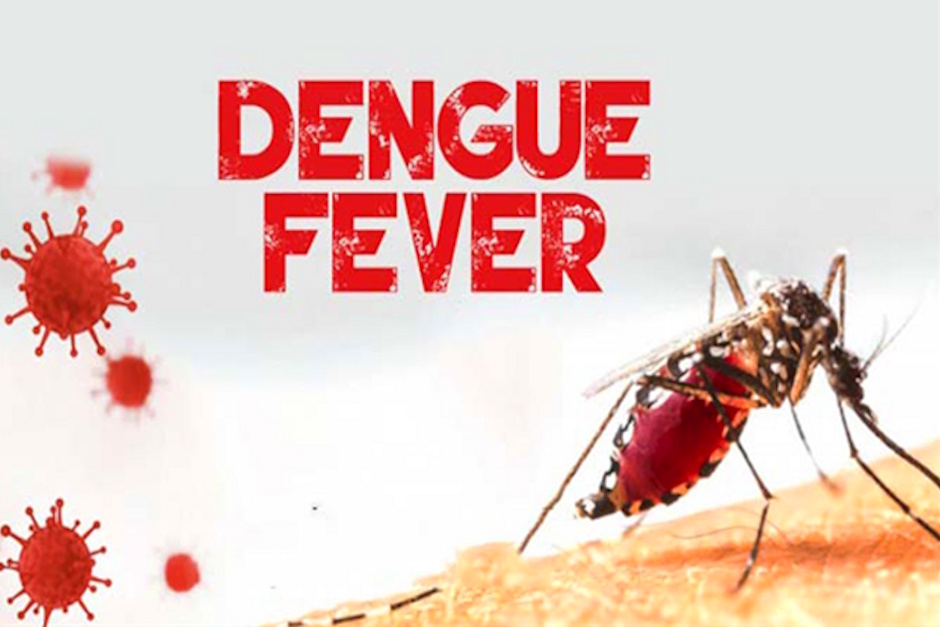
Dengue is a mosquito-borne viral infection transmitted primarily through the bites of infected Aedes mosquitoes. The disease can cause high fever, severe headaches, muscle and joint pain, nausea, and skin rashes. Although most people recover within one to two weeks, severe cases can lead to internal bleeding, organ complications, and death. There is no specific antiviral treatment for dengue; medical care focuses on relieving symptoms and monitoring for warning signs of severe disease.
Seasonal Transmission Patterns
The latest data continues an upward trend observed since the summer. WHO recorded 279 suspected dengue cases in August, indicating that reported infections had already begun to rise again after declining from 473 cases in July. The subsequent increase to 364 cases in September and 1,675 in October points to a significant acceleration in suspected infections during the autumn months.
Strain on Afghanistan’s Health System
The increase comes amid continuing pressure on Afghanistan’s public health system, where infectious diseases and limited access to healthcare remain significant concerns. Years of conflict, economic instability, and disruptions to health services have left the system vulnerable to outbreaks of preventable and vector-borne diseases.
WHO’s Broader Health Response
WHO’s October emergency report also highlighted its ongoing health response in Afghanistan. During the reporting period, WHO-supported health facilities provided 117,607 outpatient consultations, distributed 131 medical kits reaching more than 1.9 million beneficiaries, and trained 498 health workers.
Surveillance and Prevention Critical
The latest figures highlight the importance of disease surveillance, mosquito control, and access to timely medical care, particularly during periods of increased seasonal transmission. Vector control measures—including eliminating standing water where mosquitoes breed, using insect repellent, and sleeping under mosquito nets—remain essential to reducing transmission. Early diagnosis and access to medical care are critical to preventing severe outcomes.
Important Caveats
WHO’s figures refer to suspected cases and should not be interpreted as laboratory-confirmed infections. The organization has not attributed the increase to a specific outbreak or identified particular provinces in the figures cited. The findings underline the continuing need to monitor infectious diseases and strengthen healthcare services across Afghanistan, particularly as seasonal transmission patterns continue to evolve.
Key Points:
-
1,675 suspected dengue cases and one death reported in Afghanistan in October 2026
-
Nearly fivefold increase from September’s 364 cases
-
First dengue-related death since January 2026
-
WHO describes the trend as consistent with seasonal patterns
-
Suspected cases, not laboratory-confirmed; no specific outbreak attributed
-
WHO continues health response, including consultations, medical kits, and health worker training