
Afghanistan Launches $100 Million Food Security Program as Humanitarian Crisis Deepens

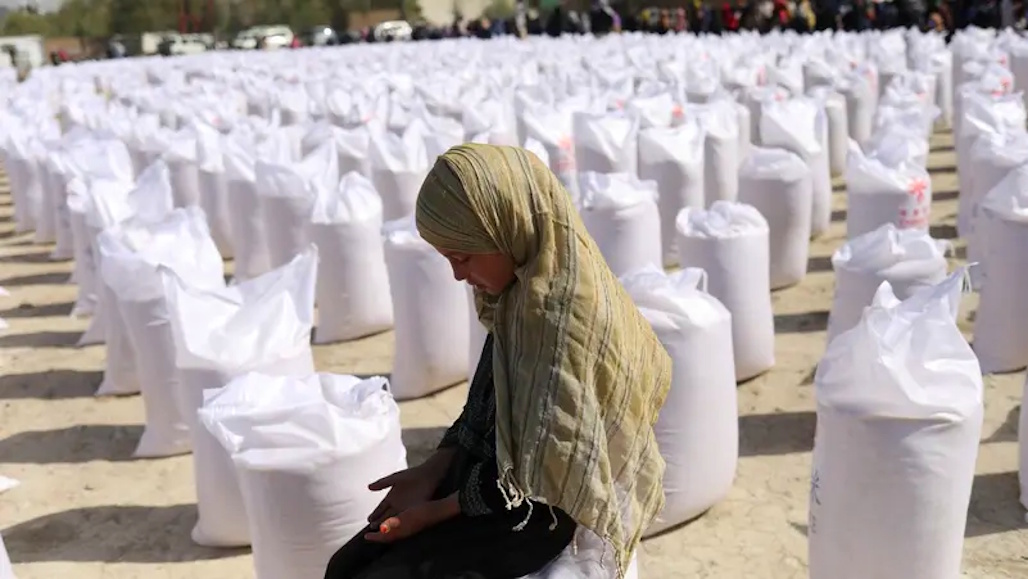
The United Nations announced on Thursday that Afghanistan will launch a $100 million food security project, a critical intervention as the country contends with a rapidly worsening hunger crisis. The emergency is driven by a confluence of severe challenges: mass deportations from neighboring countries, drastic cuts in international aid, and a protracted economic collapse.
Afghanistan’s humanitarian situation is deteriorating sharply. Millions have been pushed into acute hunger by the loss of vital remittances, evaporating job opportunities, and a sharp reduction in life-saving international assistance. The crisis has been compounded by natural disasters, including devastating earthquakes and floods earlier this year.
The two-year program, backed by the UN’s Food and Agriculture Organization (FAO) and the Asian Development Bank (ADB), aims to support more than 151,000 vulnerable families. These include Afghan returnees forcibly expelled from Iran and Pakistan, as well as communities ravaged by recent earthquakes and floods.
FAO Director-General Qu Dongyu stated that the project is designed to address immediate food security needs while also laying groundwork for longer-term resilience. “This initiative will provide urgent assistance, but its core ambition is to help close Afghanistan’s persistent food production gap and create space for private sector recovery in agriculture,” he said.
The scale of the need is staggering. In a recent report, the FAO projected that 17.4 million Afghans will face acute food insecurity in 2026, with 4.7 million—disproportionately young children and pregnant women—suffering from acute malnutrition.
A primary driver of the crisis is the unprecedented wave of forced returns. According to the World Food Programme (WFP), over 2.5 million Afghans have been deported from Iran and Pakistan in the past year alone. This influx has swollen Afghanistan’s population by roughly ten percent, overwhelming already strained resources and severing the remittance lifeline countless families depended on for survival.
Aid agencies warn that current conditions are creating a perfect storm. Harsh winter weather, scarce employment, and chronic funding shortfalls have pushed households to the brink. The WFP has reported that the past year saw the largest single surge in malnutrition ever recorded in Afghanistan, a trend that is likely to accelerate in 2026 without sustained intervention.
The new $100 million program represents a vital, yet partial, response to a crisis of monumental proportions. It underscores the dire circumstances facing Afghanistan as it struggles under the weight of multiple, overlapping emergencies, with its most vulnerable citizens bearing the heaviest cost.
Our Pashto-Dari Website


Support Dawat Media Center
If there were ever a time to join us, it is now. Every contribution, however big or small, powers our journalism and sustains our future. Support the Dawat Media Center from as little as $/€10 – it only takes a minute. If you can, please consider supporting us with a regular amount each month. Thank you
DNB Bank AC # 0530 2294668
Account for international payments: NO15 0530 2294 668
Vipps: #557320

Comments are closed.