
India Affirms Unwavering Commitment to People-Centric Afghanistan Policy, Jaishankar Tells Students

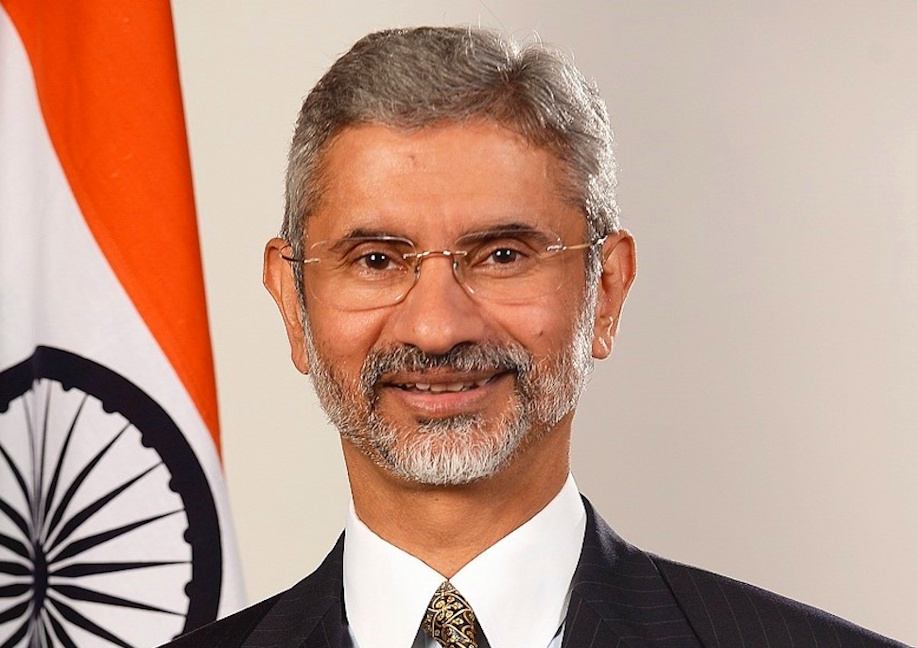
NEW DELHI – In a significant articulation of India’s strategic posture, External Affairs Minister Subrahmanyam Jaishankar reaffirmed that New Delhi’s policy toward Afghanistan remains firmly anchored in a people-centric and community-focused approach, prioritizing humanitarian aid, development cooperation, and sustained engagement with Afghan civil society.
Addressing university students in India, Jaishankar emphasized that the relationship between India and Afghanistan is built upon “centuries-old historical ties” that transcend political shifts, highlighting a foundational continuity in people-to-people connections. His comments came in response to a question from an Afghan student, underscoring the direct relevance of this policy to the Afghan populace.
A Pragmatic and Humanitarian Engagement
The minister pointed to his recent meeting with the Taliban’s acting Foreign Minister, Amir Khan Muttaqi, as a “positive” step focused on practical cooperation. He detailed ongoing collaboration in areas such as development projects, food assistance, and critical health services.
Since the Taliban’s return to power in August 2021, India has meticulously recalibrated its engagement. While withholding formal diplomatic recognition of the Taliban government, New Delhi has maintained operational channels aimed at delivering essential support directly to the Afghan people. Indian officials have consistently stated that their engagement is designed to alleviate the suffering of ordinary Afghans and is not an endorsement of the ruling authority.
A Milestone Visit and Regional Context
Muttaqi’s visit to New Delhi from October 9 to 16 marked a notable diplomatic development, being the first high-level Taliban delegation to India since their takeover. The trip was facilitated by a temporary sanctions exemption granted by the United Nations Security Council.
This outreach occurred against a complex regional backdrop, including heightened tensions as Pakistan conducted airstrikes in Kabul and several Afghan border provinces. The period also witnessed a perceptible expansion of contact between Indian officials and Taliban authorities. Following Muttaqi’s visit, the Taliban’s ministers of commerce and public health also traveled to India for talks.
Securing Vital Supply Lines and Future Cooperation
In these meetings, Indian officials pledged enhanced cooperation, particularly in securing the supply of essential medicines—a critical need after pharmaceutical imports via Pakistan faced disruptions. This move aims to ensure Afghanistan has reliable access to Indian medical supplies and humanitarian goods.
Strategic Balancing Act
Analysts view India’s policy as a deft balancing act. By framing its engagement in strictly pragmatic and humanitarian terms—focused on stability, health, and basic needs—India seeks to safeguard its long-term interests and historical ties within Afghanistan. This approach allows New Delhi to preserve influence and fulfill moral responsibilities toward the Afghan people, while navigating the international community’s lack of consensus on recognizing the Taliban regime.
The policy also serves to counterbalance Pakistan’s influence in the region and ensures India retains a voice in Afghanistan’s future, all while adhering to principles such as the need for inclusive governance and the protection of human rights, particularly for women and minorities.
As Jaishankar concluded in his interaction, India’s commitment is to the “well-being and future” of the Afghan people, a stance that defines its diplomatic and humanitarian calculus in a rapidly evolving geopolitical landscape.
Our Pashto-Dari Website


Support Dawat Media Center
If there were ever a time to join us, it is now. Every contribution, however big or small, powers our journalism and sustains our future. Support the Dawat Media Center from as little as $/€10 – it only takes a minute. If you can, please consider supporting us with a regular amount each month. Thank you
DNB Bank AC # 0530 2294668
Account for international payments: NO15 0530 2294 668
Vipps: #557320

Comments are closed.