
Kazakhstan Expands Wheat Exports to Afghanistan Amid Regional Trade Disruptions

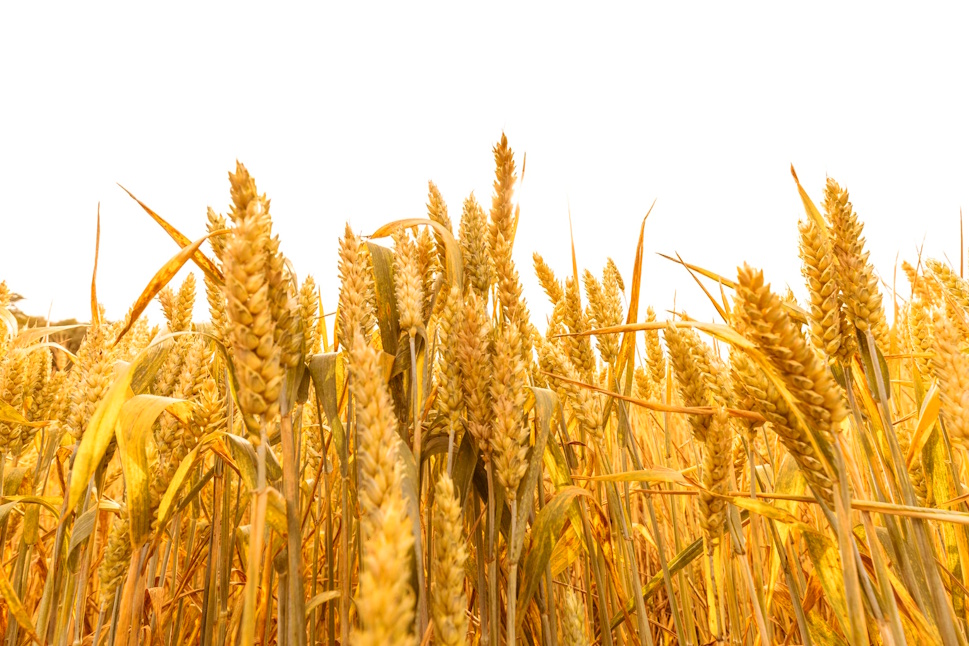
Astana, Kazakhstan – Kazakhstan has significantly increased its wheat exports to Afghanistan, with shipments rising 36.8 percent from 190,000 tons to 260,000 tons between September and December 19, 2025. This substantial growth underscores Afghanistan’s critical role as a key transit route for Kazakh grain, even as regional supply chains face severe challenges due to escalating border tensions.
Regional Export Surge
The expanded trade with Afghanistan is part of a broader regional export boom for Kazakhstan. During the same period, overall grain exports reached 3.9 million tons, up from 3.4 million tons the previous year. Notable increases were recorded with other neighboring countries:
-
Exports to Uzbekistan rose by 35 percent.
-
Shipments to Kyrgyzstan more than doubled, reflecting robust regional demand for Kazakh agricultural products.
Kazakh Agriculture Minister Aidarbek Saparov emphasized the strategic importance of these exports, noting that the country’s total grain export capacity is approximately 13 million tons. “Our exportable surplus plays a dual role: it strengthens our economic partnerships and helps stabilize domestic prices by ensuring a balanced market,” Saparov stated. Kazakhstan currently supplies grain to 45 nations worldwide.
A Lifeline for Afghan Food Security
The growth in trade solidifies Kazakhstan’s role as a crucial guarantor of food security in Central Asia, particularly for Afghanistan. The landlocked nation relies heavily on imported staples, with Kazakh wheat being a primary component of its food supply. This reliable export stream provides a measure of stability for Afghan markets amid ongoing internal economic pressures.
Mounting Regional Trade Crisis
However, this positive trade development stands in stark contrast to a deepening logistical crisis at southern border crossings. Persistent tensions between Pakistan and the Taliban administration in Afghanistan have led to severely escalated border controls and prolonged closures of key transit routes.
The economic toll is mounting:
-
Over 10,000 trucks carrying goods destined for Afghanistan and Pakistan remain stranded at the port of Karachi, some for more than two months.
-
Traders and logistics companies report daily losses amounting to millions of dollars, crippling businesses that depend on the north-south transit corridor.
-
The stalled trade not only threatens Afghan importers but also disrupts supply chains for Central Asian markets that depend on goods moving in both directions.
Analyst Warnings and Future Outlook
Analysts warn that the sustained border closures and strained diplomatic relations pose a significant threat to regional economic stability. “The current situation is untenable,” said regional trade expert Gulnara Issayeva. “While Kazakhstan’s northern exports are growing, the southern artery is blocked. This jeopardizes not just individual economies, but the entire network of regional trade, from commodity flows to food security.”
Experts emphasize an urgent need for coordinated policy interventions and diplomatic engagement to resolve the border impasse. The priority must be reopening critical transit corridors and establishing resilient, multi-path supply chains to safeguard economic activity across Central and South Asia.
As Kazakhstan continues to leverage its agricultural strength to bolster regional ties, the escalating crisis to the south highlights the fragile interdependence of the region’s economies and the pressing need for collaborative solutions to ensure stability and continued trade flow.
Our Pashto-Dari Website


Support Dawat Media Center
If there were ever a time to join us, it is now. Every contribution, however big or small, powers our journalism and sustains our future. Support the Dawat Media Center from as little as $/€10 – it only takes a minute. If you can, please consider supporting us with a regular amount each month. Thank you
DNB Bank AC # 0530 2294668
Account for international payments: NO15 0530 2294 668
Vipps: #557320

Comments are closed.