
Over 15,000 Afghan Refugees Forcibly Returned in Days as Neighboring Nations Accelerate Deportations

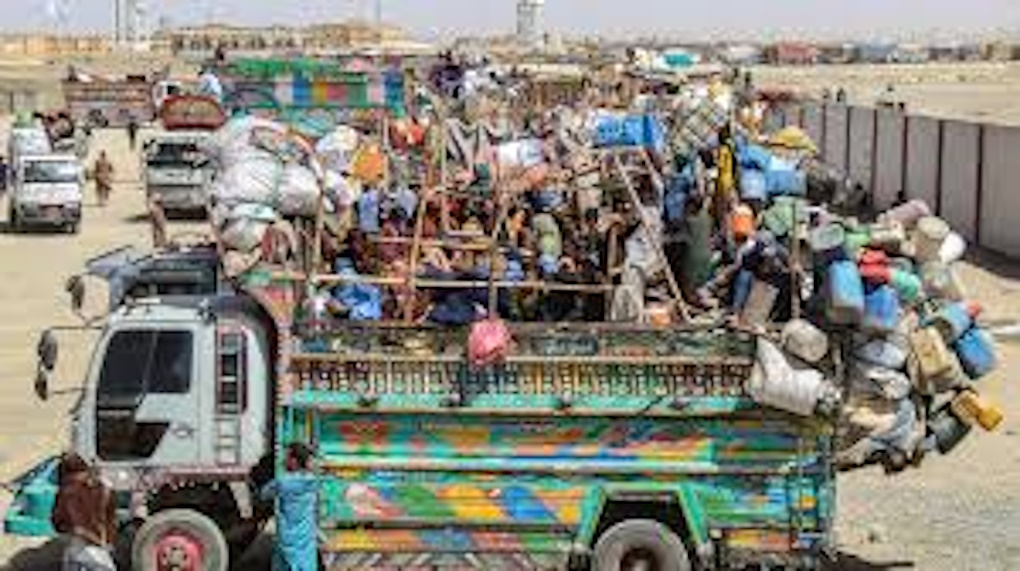
KABUL, Afghanistan — In a stark escalation of the ongoing refugee crisis, nearly 5,000 Afghan nationals were forcibly deported from neighboring Pakistan and Iran in a single day, Taliban authorities reported on Sunday. This latest wave adds to over 10,000 returnees just days prior, signaling a sharp increase in expulsion efforts by the two countries, which host millions of Afghans.
The Numbers
Hamdullah Fitrat, deputy spokesman for the Islamic Emirate of Afghanistan (IEA), shared data from the government’s High Commission for Addressing Migrants’ Issues. According to the report, 913 families, comprising 4,991 individuals, were expelled and crossed back into Afghanistan on Saturday, November 18.
This follows a reported 10,043 Afghan refugees who were forcibly returned from Iran and Pakistan last Thursday, bringing the total for the two-day surge to approximately 15,000 people.
Points of Entry and Humanitarian Response
The returnees entered through major border crossings, primarily in Afghanistan’s south and west, highlighting the geographic spread of the crisis:
-
Islam Qala in Herat (Iran border)
-
Pul-i-Abresham in Nimroz (Iran border)
-
Spin Boldak in Kandahar (Diurand line)
-
Bahramcha in Helmand (Diurand line)
-
Torkham in Nangarhar (Diurand line)
Upon arrival, Afghan authorities coordinated initial aid. According to Fitrat, 933 returning families (5,068 individuals) were provided transportation to their home provinces. Humanitarian assistance, likely including food and basic supplies, was distributed to 754 families. In an effort to facilitate communication and potential integration, telecommunication companies distributed 771 SIM cards to the returnees.
Context and Growing Crisis
The mass deportations occur amid a backdrop of increasing pressure on Afghan migrants. Pakistan, which hosts an estimated 1.7 million undocumented Afghans, initiated a large-scale expulsion campaign last month, citing security concerns and economic pressures. Iran, home to nearly 3 million Afghans, has also periodically carried out deportations, often citing similar reasons.
The accelerated pace of returns is placing immense strain on Afghanistan’s fragile humanitarian and economic systems. The country is already grappling with severe poverty, the aftermath of decades of conflict, and a lack of international recognition of the Taliban government, which has frozen billions in assets and crippled the banking sector.
International Concern
Human rights organizations and UN agencies have repeatedly warned of a looming catastrophe as winter approaches. Many returnees left Afghanistan decades ago and have no homes, livelihoods, or community ties to return to. Women and children, who make up a significant portion of the deportees, are considered particularly vulnerable.
“The sheer scale and speed of these forced returns is alarming,” said a spokesperson for the International Rescue Committee in a recent statement. “Afghanistan is in no position to provide shelter, food, or employment for tens of thousands of people arriving with nothing. This risks a severe humanitarian emergency.”
The Taliban administration has called for a “gradual and coordinated” process with its neighbors and increased international aid to manage the influx. However, with deportation policies tightening, a significant reduction in the flow of returnees appears unlikely in the near term.
Our Pashto-Dari Website


Support Dawat Media Center
If there were ever a time to join us, it is now. Every contribution, however big or small, powers our journalism and sustains our future. Support the Dawat Media Center from as little as $/€10 – it only takes a minute. If you can, please consider supporting us with a regular amount each month. Thank you
DNB Bank AC # 0530 2294668
Account for international payments: NO15 0530 2294 668
Vipps: #557320

Comments are closed.