
Over 21 Million Afghans Lack Safe Drinking Water Amidst Deepening Crisis, EU Warns

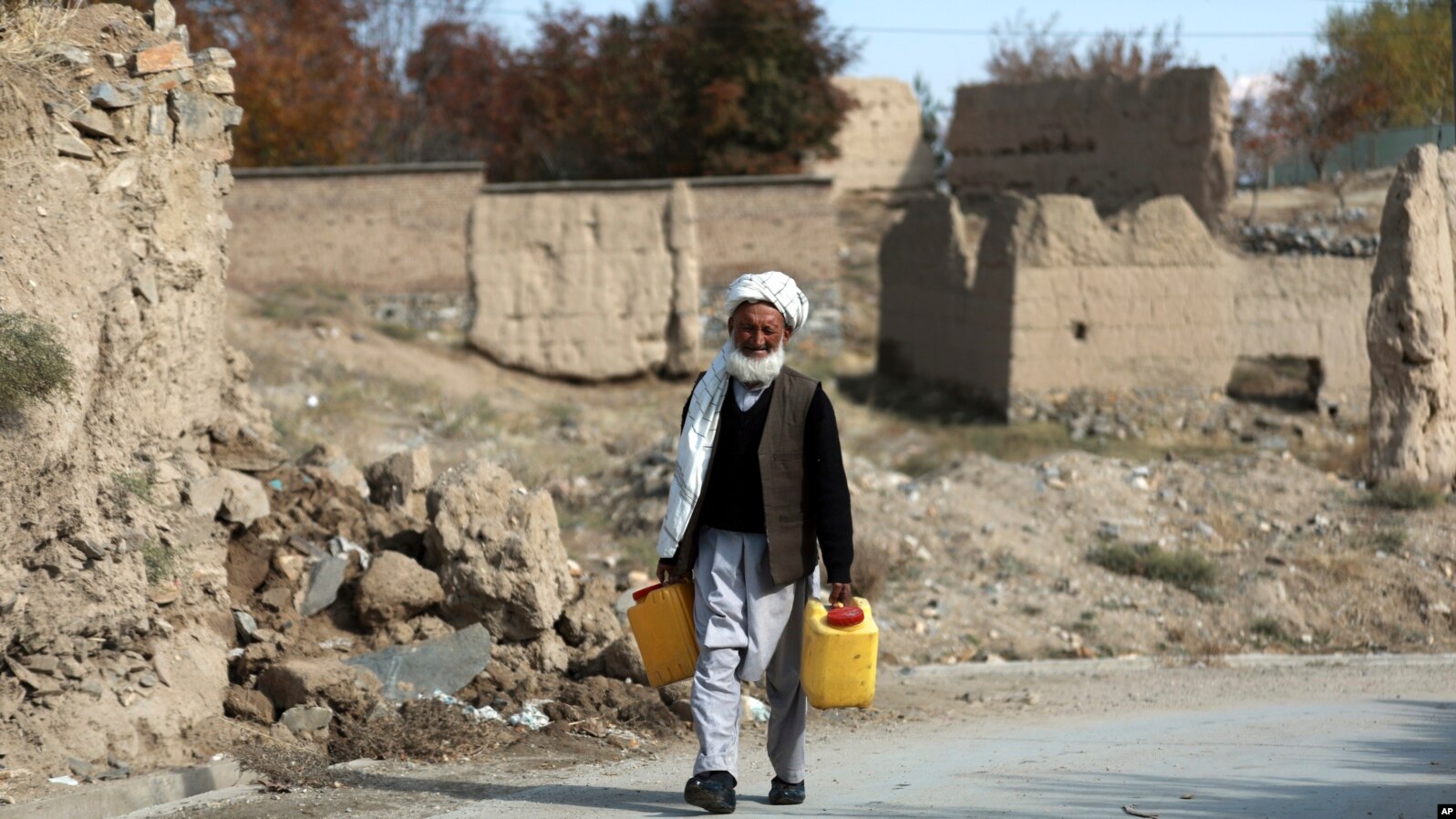
The European Union’s humanitarian arm for Asia and the Pacific has issued a stark warning: more than 21 million people across Afghanistan—over half the population—are currently without reliable access to safe drinking water. This announcement underscores a rapidly deteriorating national crisis that threatens public health, food security, and societal stability.
Afghanistan’s water scarcity, now at critical levels, is driven by a confluence of severe challenges. The country has endured four consecutive years of intense drought, a situation dramatically worsened by the accelerating impacts of climate change. Decades of conflict have left critical water infrastructure damaged or entirely destroyed, while limited governance capacity hinders systematic management and repair. These factors have collectively pushed an already vulnerable population to the brink.
In response, the EU has activated emergency aid measures, focusing on immediate, life-saving interventions. These include drilling new wells and installing community water pumps, particularly in remote rural and hard-to-reach areas where needs are most acute. “We are racing against time to provide basic water access,” an EU humanitarian spokesperson stated. “But these are emergency stopgaps in the face of a systemic catastrophe.”
The health implications are severe and already unfolding. According to UNICEF, approximately 80% of Afghans are forced to drink contaminated water, leading to a sharp rise in preventable waterborne diseases. Diarrhea, cholera, and typhoid are spreading, with young children and the elderly at greatest risk. Health experts warn that the nation’s fragile healthcare system, itself struggling with limited resources, is being overwhelmed by cases directly linked to unsafe water and poor sanitation.
“The water crisis is a health crisis,” said a public health advisor in Kabul. “Without immediate and sustained intervention, we will see widespread outbreaks of disease that could claim thousands of lives, especially among the malnourished.”
The crisis ripples far beyond health. Agriculture, the livelihood for most Afghans, is decimated by the drought, exacerbating one of the world’s most severe hunger emergencies. Competition for dwindling water resources also heightens the risk of local conflicts and displacement, further eroding social cohesion.
While aid agencies are mobilizing short-term relief, they unanimously stress that technical fixes like wells and pumps are insufficient. Long-term solutions, they argue, require sustained international investment in comprehensive water infrastructure, climate-resilient agricultural practices, and effective water governance. “Humanitarian aid keeps people alive today, but development-focused action is what will secure water for tomorrow,” a representative from a leading aid agency explained. “We need integrated strategies that combine immediate delivery of clean water with the rehabilitation of irrigation systems, watershed management, and community education.”
The international community faces a daunting task: addressing the urgent humanitarian needs of millions while simultaneously laying the groundwork for a sustainable water future in Afghanistan. The EU’s warning serves as a urgent call to action, highlighting that without a concerted and scaled-up response, the human and societal costs will escalate dramatically, with the most vulnerable bearing the heaviest burden.
Our Pashto-Dari Website

Support Dawat Media Center
If there were ever a time to join us, it is now. Every contribution, however big or small, powers our journalism and sustains our future. Support the Dawat Media Center from as little as $/€10 – it only takes a minute. If you can, please consider supporting us with a regular amount each month. Thank you
DNB Bank AC # 0530 2294668
Account for international payments: NO15 0530 2294 668
Vipps: #557320

Comments are closed.