
Qatar Seeks to Recalibrate Afghan-Pakistani Relations Amidst Strained Ceasefire

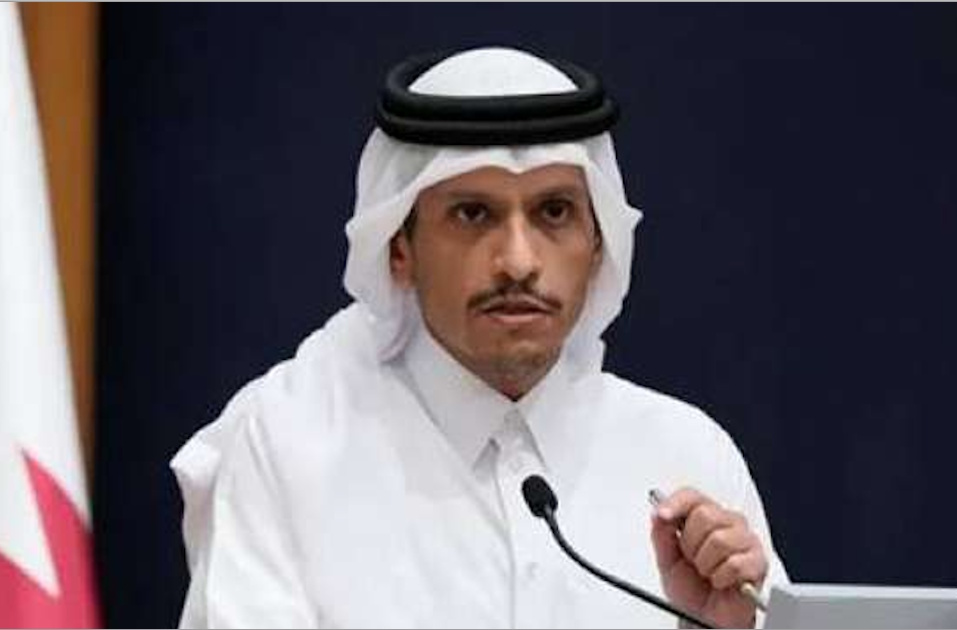
Doha, Qatar – Qatar has confirmed its ongoing mediation efforts between Pakistan and Afghanistan’s Taliban government, aiming to de-escalate tensions following a recent collapse of their border ceasefire. The disclosure highlights Doha’s persistent, yet increasingly challenging, role as a key intermediary in regional crises.
Speaking at the 23rd Doha Forum on Sunday, Qatar’s Prime Minister and Foreign Minister, Sheikh Mohammed bin Abdulrahman bin Jassim Al-Thani, outlined his government’s diplomatic engagement to U.S. journalist Tucker Carlson. He framed the mediation within a broader philosophy of conflict resolution, arguing that sustainable peace in unstable regions requires inclusive political frameworks.
“Crises, whether in Afghanistan, Palestine or elsewhere, cannot be solved without considering those present in the field,” he stated, emphasizing that actors wielding practical power must be included in any dialogue.
A Trusted but Tested Mediator
Qatar’s credentials as a mediator in Afghan affairs are well-established. It hosted the Taliban’s political office for years, facilitating the protracted negotiations that culminated in the 2020 U.S.-Taliban Doha Agreement. Following the Taliban’s return to power in 2021, Doha has maintained a unique channel with the de facto authorities while preserving ties with other nations, including Pakistan.
This dual trust was tested earlier this year after deadly clashes along the contentious Durand Line. Qatar successfully brokered an initial round of talks, leading to a short-lived ceasefire. However, subsequent negotiation rounds in Istanbul failed to produce a lasting agreement, and the truce subsequently unraveled amid renewed cross-border skirmishes and mutual accusations regarding militant safe havens.
Analysts Point to Structural Challenges
Experts note that Qatar’s leverage, while significant, faces formidable obstacles. “Doha remains perhaps the only neutral party both Islamabad and Kabul are willing to talk to,” said Azmat Khan, a regional security analyst. “However, its influence is primarily facilitative. It cannot compel security cooperation or resolve the fundamental disputes over border recognition and the Taliban’s alleged sheltering of the Pakistani Taliban (TTP).”
The core tensions stem from Pakistan’s demands for the Taliban to crack down on TTP militants using Afghan soil to launch attacks, and the Taliban’s refusal to acknowledge the Durand Line as the official international border—a legacy issue from colonial times.
Regional Stakes Are High
Diplomatic sources warn that the absence of a structured dialogue and concrete security coordination poses a direct threat to regional stability. “We are seeing a dangerous cycle of action and reprisal,” one Western diplomat based in the Gulf noted. “Without a functional channel, miscalculations could lead to a more serious confrontation, further destabilizing an already volatile region and complicating international engagement on humanitarian and counter-terrorism issues in Afghanistan.”
Qatar’s renewed push for mediation underscores its commitment to a stable Afghan neighborhood but also spotlights the intractable nature of the disputes. The success of its efforts will depend on its ability to craft a dialogue format that addresses both Pakistan’s immediate security concerns and the Taliban’s stance on sovereignty and border legitimacy—a daunting diplomatic task with high stakes for South Asian security.
Our Pashto-Dari Website


Support Dawat Media Center
If there were ever a time to join us, it is now. Every contribution, however big or small, powers our journalism and sustains our future. Support the Dawat Media Center from as little as $/€10 – it only takes a minute. If you can, please consider supporting us with a regular amount each month. Thank you
DNB Bank AC # 0530 2294668
Account for international payments: NO15 0530 2294 668
Vipps: #557320

Comments are closed.