
UN Warns of Converging Catastrophes in Afghanistan: Drought, Mass Returns, and Aid Collapse Threaten Millions

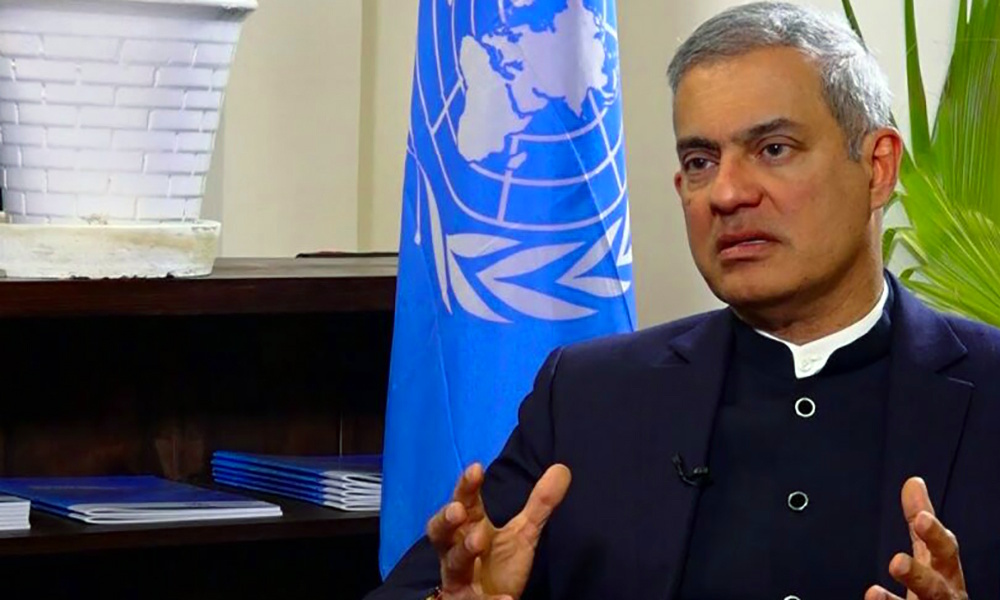
Kabul, January 18, 2026 – The United Nations has issued a dire warning of a triple humanitarian catastrophe engulfing Afghanistan, where a severe drought, the unprecedented return of millions of migrants, and a critical shortfall in international funding are creating a perfect storm of suffering.
In a stark video message, Andrika Ratwatte, the UN’s Humanitarian Coordinator for Afghanistan, detailed the compounding crises pushing the country to the brink. “We are facing simultaneous shocks that are overwhelming Afghanistan’s capacity to cope,” Ratwatte stated. “Without immediate and sustained support, millions of lives will be lost.”
The Triple Crisis Unpacked:
-
Devastating Drought: Approximately 70% of Afghanistan’s population, which depends on agriculture and livestock, is reeling from a prolonged and intense drought. Failed harvests and depleted water sources have catapulted food insecurity to emergency levels, wiping out livelihoods and eroding community resilience.
-
Mass Migrant Returns: The forced and voluntary return of over 2.5 million Afghans from neighboring Iran and Pakistan in 2025 has placed an immense strain on already scarce resources. These returnees often arrive destitute, needing immediate shelter, food, and healthcare, further taxing overwhelmed local communities and aid networks.
-
Critical Funding Shortfall: Humanitarian operations are facing severe contraction due to a dramatic decline in donor funding. To date, only 37% of the UN’s humanitarian appeal for Afghanistan has been met. This financial cliff has forced the closure of 400 health centers and 300 nutrition centers nationwide, stripping over 3 million people of basic healthcare and cutting off vital support for more than 80,000 malnourished children and mothers.
Life-Saving Programs on the Chopping Block:
Ratwatte emphasized that the funding crisis is directly translating into a loss of life. “The programs we are struggling to sustain are not merely important—they are life-saving,” he asserted, highlighting essential work in health, education, and social protection. “Cutting support now is a death sentence for the most vulnerable.”
The World Food Programme (WFP) echoed this alarm. John Aylieff, WFP Director in Afghanistan, described a “heartbreaking” malnutrition crisis, projecting that up to five million women and children could face severe malnutrition within the next year. “Nearly four million children will require urgent treatment to survive,” Aylieff warned, underscoring the scale of the impending disaster.
Broader Implications and a Plea for 2026:
The International Federation of Red Cross and Red Crescent Societies (IFRC) highlighted how the mass returns have “further strained Afghanistan’s fragile humanitarian conditions,” noting that many returnees are settling in areas with no basic services or economic opportunities.
Despite the grim outlook, the UN expressed a determined hope for 2026, identifying it as a critical year for turning the tide—especially for women and girls, who constitute half the population and face disproportionate barriers to aid and rights. The restoration of healthcare, education, and social programs is deemed non-negotiable for any semblance of long-term stability.
The international community now faces a urgent test. As Ratwatte concluded: “The people of Afghanistan have endured decades of hardship. We cannot allow a failure of global solidarity to be the cause of their greatest tragedy yet. The time to act is now.”
Our Pashto-Dari Website

Support Dawat Media Center
If there were ever a time to join us, it is now. Every contribution, however big or small, powers our journalism and sustains our future. Support the Dawat Media Center from as little as $/€10 – it only takes a minute. If you can, please consider supporting us with a regular amount each month. Thank you
DNB Bank AC # 0530 2294668
Account for international payments: NO15 0530 2294 668
Vipps: #557320

Comments are closed.