

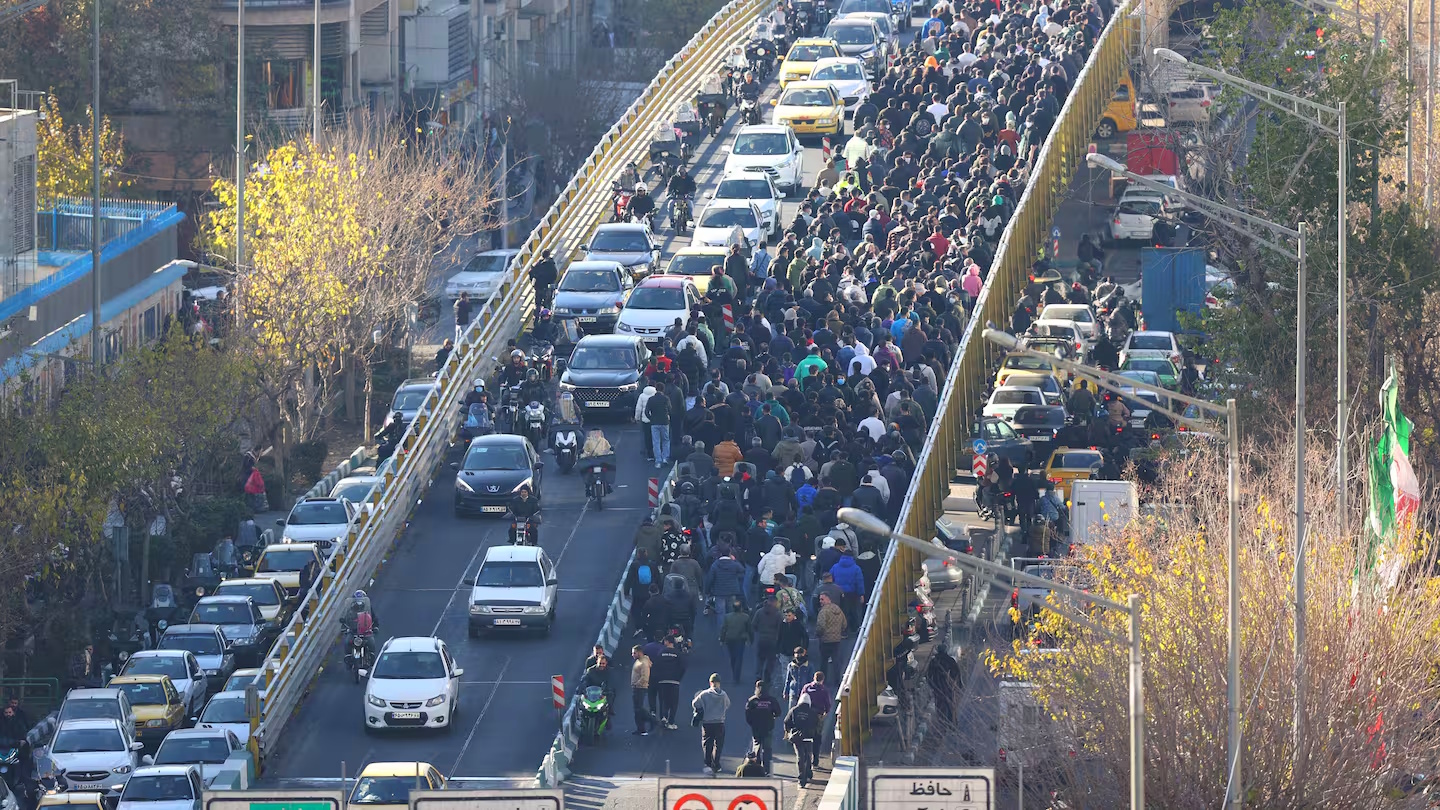
Human rights monitors report that at least 25 people have been killed and over a thousand arrested during nine days of widespread protests in Iran, which have rapidly evolved from demonstrations over a severe economic crisis into broader anti-government unrest.
From Economic Grievance to Political Outcry
The protests ignited in Tehran’s Grand Bazaar on December 27, triggered by the collapse of the national currency, the rial, and rampant inflation exceeding 40%. The rial has continued its precipitous fall, losing another 4% since the unrest began to trade at 1,489,500 to the U.S. dollar on Tuesday. However, the movement has swiftly expanded beyond initial financial complaints. Videos circulating on social media show protesters in cities across at least 27 of Iran’s 31 provinces chanting slogans against the country’s clerical leadership and calling for systemic change, indicating deep-seated political frustration.
Conflicting Toll and Intensifying Crackdown
The Kurdish rights group Hengaw places the death toll at 25, including four minors. Meanwhile, the activist news agency HRANA reports at least 29 killed—a figure that includes two law enforcement agents—and 1,203 arrests as of January 5. Reuters could not independently verify these numbers.
Iranian authorities have not released a comprehensive death toll for protesters but have confirmed the deaths of at least two security personnel and injuries to more than a dozen others. The government narrative sharply distinguishes between “protesters” and “rioters.” In a statement carried by state media on Tuesday, Police Chief Ahmadreza Radan vowed a forceful response: “I pledge that we will deal with the last of these rioters.” He accused foreign intelligence services of manipulating demonstrators. Judiciary Chief Gholamhossein Mohseni-Ejei similarly promised no mercy toward those deemed to be instigating “chaos and disorder.”
International Dimension and Domestic Response
The protests have drawn immediate international reaction. U.S. President Donald Trump warned on Friday that America was “watching” and threatened to intervene if Iranian security forces opened fire on demonstrators. Iran’s Supreme Leader Ayatollah Ali Khamenei responded defiantly, vowing the nation would not “yield to the enemy,” framing the unrest as a foreign-backed plot.
Domestically, the government of recently elected President Masoud Pezeshkian is attempting a dual-track response of promised reform and security crackdowns. Pezeshkian has urged public dialogue and pledged economic stabilization measures. His administration has announced a major subsidy reform, set for January 10, which will eliminate preferential foreign exchange rates for importers and instead direct cash transfers to citizens to bolster purchasing power for essentials. In a related move aimed at addressing economic management failures, the head of Iran’s central bank was replaced on December 29.
A Smaller Scale, but Significant Spread
Analysts note that while the current protests do not yet match the nationwide scale and cohesion of the 2022-23 uprising sparked by the death of Mahsa Amini, their rapid geographic spread from Tehran to smaller cities in western and southern Iran is significant. The swift shift in chants from bread-and-butter issues to direct criticism of the ruling system suggests that economic despair is acting as a potent catalyst for expressing long-suppressed political grievances, presenting a renewed challenge to the Islamic Republic’s stability.
Our Pashto-Dari Website

Support Dawat Media Center
If there were ever a time to join us, it is now. Every contribution, however big or small, powers our journalism and sustains our future. Support the Dawat Media Center from as little as $/€10 – it only takes a minute. If you can, please consider supporting us with a regular amount each month. Thank you
DNB Bank AC # 0530 2294668
Account for international payments: NO15 0530 2294 668
Vipps: #557320

Comments are closed.