
Iran Issues Stark Warning to US and Israel as Unrest Escalates, Raising Fears of Regional Conflict

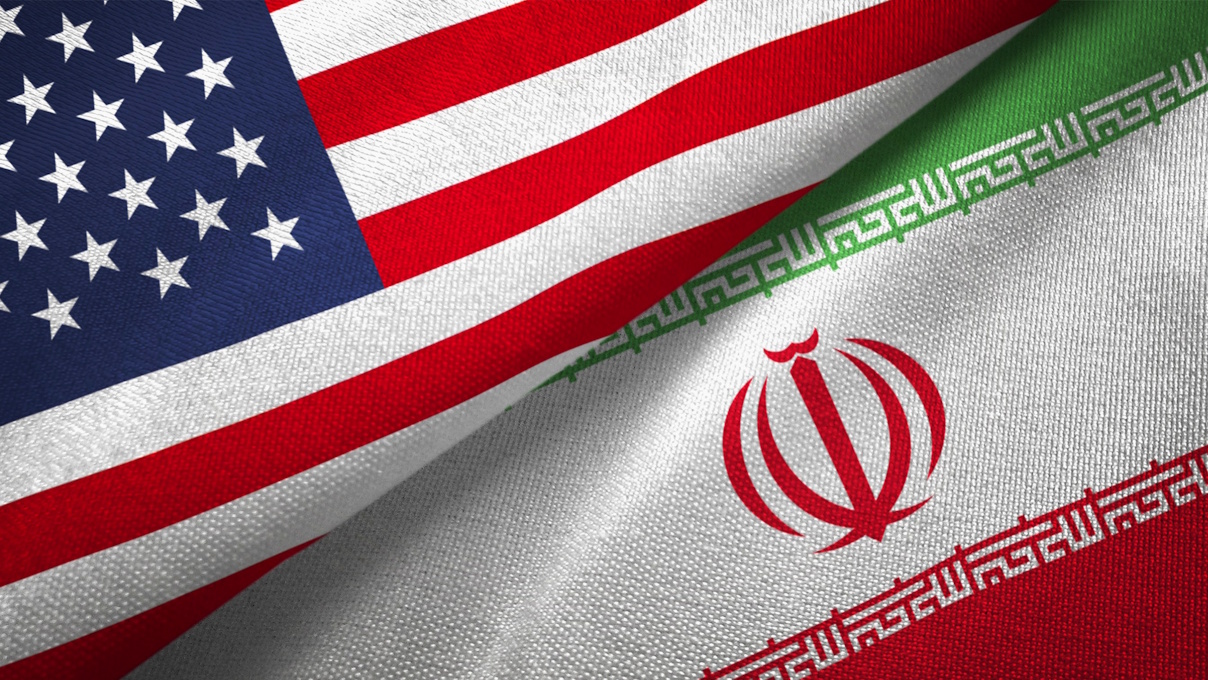
Nationwide protests against Iran’s government have entered a critical third week, escalating into a direct challenge to the regime’s authority and triggering a severe security crackdown. The unrest, which began on September 9th over the catastrophic collapse of Iran’s currency, has since morphed into broad-based demonstrations against economic mismanagement, corruption, and the ruling theocracy itself.
Despite a near-total internet and international phone blackout imposed by authorities to stifle communication and obscure the scale of dissent, verified reports and satellite-fed videos confirm that protesters again took to the streets in Tehran, Mashhad, and other cities on Sunday. Scenes shared online showed demonstrators in northern Tehran using phone flashlights as symbolic beacons of defiance, banging metal objects, and honking car horns in a chorus of protest. In the holy city of Mashhad, footage indicated intense clashes with security forces and the erection of burning barricades.
Human Toll and Information Blackout
The human cost continues to rise under a veil of opacity. According to the US-based Human Rights Activists News Agency (HRANA), at least 116 people have been killed and approximately 2,600 detained since the protests began. The pervasive internet shutdown, however, makes independent verification of casualty figures and on-the-ground developments exceedingly difficult, leading to concerns that the actual numbers may be higher.
Regime’s Dual Strategy: Domestic Crackdown and External Threats
The Iranian government has responded with a two-pronged approach: ruthless suppression at home and bellicose warnings abroad.
Domestically, officials have signaled an uncompromising stance. Iran’s Attorney-General Mohammad Jafar Montazeri warned that protesters could face charges as “mohareb” (enemies of God), a capital offence punishable by death. Simultaneously, state television has engaged in a propaganda campaign, broadcasting footage of calm streets and pro-government rallies in select cities while conspicuously omitting coverage of hotspots like Tehran and Mashhad.
On the international front, the regime has directly threatened the United States and Israel, framing the internal unrest as a foreign-backed conspiracy. In a televised parliamentary session punctuated by chants of “Death to America,” Parliament Speaker Mohammad Bagher Qalibaf issued a stark deterrent warning.
“In the event of any attack on Iran, the occupied territories [Israel] and all American military centres, bases and ships in the region will be our legitimate targets,” Qalibaf declared. He emphasized that the U.S. and its allies “should not make the mistake of attacking Iran,” suggesting that any external intervention would trigger a direct military response across the region.
US Posture and Israeli Alert
The warnings from Tehran come amid heightened rhetoric from Washington. U.S. President Donald Trump has repeatedly admonished Iranian authorities against using lethal force on demonstrators, stating the United States is “watching closely” and “ready to help.” U.S. media reports indicate that President Trump has been presented with various military options concerning Iran, though he has not made a final decision.
The escalating situation has put regional U.S. allies on edge. According to a Reuters report citing three Israeli officials, Israel remains on “high alert” as the Trump administration deliberates its next steps. The potential for a U.S. strike—whether in retaliation for future violence against protesters or other perceived provocations—has revived acute fears of a new and unpredictable regional escalation.
Opposition Calls and Symbolic Battle
Adding another layer to the crisis, exiled former crown prince Reza Pahlavi has called for sustained demonstrations, urging Iranians to reclaim public spaces using pre-revolutionary national symbols. This appeal highlights the protest movement’s evolving nature, where economic grievances are increasingly interwoven with calls for systemic political change.
As the internet blackout persists and the death toll mounts, the standoff inside Iran shows no signs of abating. With more protests anticipated, the world watches a precarious tableau: a powerful protest movement testing the limits of a repressive state, while that state threatens to draw external powers into a confrontation that could engulf the already volatile Middle East. The coming days will be crucial in determining whether this crisis remains an internal struggle or becomes the spark for a wider conflict.

Support Dawat Media Center
If there were ever a time to join us, it is now. Every contribution, however big or small, powers our journalism and sustains our future. Support the Dawat Media Center from as little as $/€10 – it only takes a minute. If you can, please consider supporting us with a regular amount each month. Thank you
DNB Bank AC # 0530 2294668
Account for international payments: NO15 0530 2294 668
Vipps: #557320

Comments are closed.