
Iran Rejects Direct Talks with U.S., Citing ‘Unrealistic’ Proposals as Trump Claims Progress

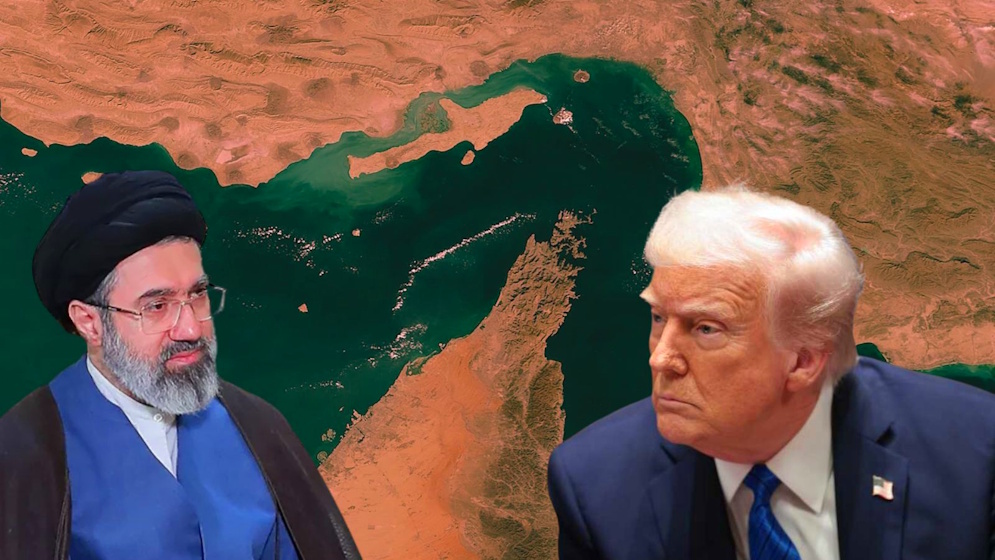
TEHRAN/WASHINGTON – Tensions between Iran and the United States remain high, with the two nations signaling divergent stances on the possibility of diplomatic engagement. While Iran flatly rules out direct negotiations, U.S. President Donald Trump says backchannel talks are “making progress.”
Iran: No Direct Negotiations, Only Mediated Messages
Iran has reiterated that it will not hold direct talks with the United States, limiting communication to messages exchanged via intermediaries. On Monday, Iranian foreign ministry spokesperson Esmaeil Baghaei stated that Tehran has received U.S. overtures through third parties but found the proposals “unrealistic, illogical and excessive.”
“Our position is clear. We are under military aggression. Therefore, all our efforts and strength are focused on defending ourselves,” Baghaei told reporters.
While rejecting U.S. proposals in their current form, Baghaei expressed openness to regional countries pursuing peace initiatives provided they adopt a “realistic” view of the ongoing tensions. He did not specify which intermediaries had relayed U.S. messages, though regional actors such as Oman, Qatar, and Pakistan have previously played such roles.
Trump: Talks ‘Progressing’ via Pakistani Intermediaries
In a sharp contrast to Tehran’s public posture, U.S. President Donald Trump told the Financial Times that indirect talks between Washington and Tehran are advancing, facilitated by Pakistani intermediaries. Trump suggested that an agreement with Iran “could happen soon,” hinting at momentum behind the scenes even as military tensions persist across the Gulf.
His remarks followed days of mixed signals from Washington, which has simultaneously threatened escalation and signaled a willingness to explore diplomacy.
As a sign of potential Iranian flexibility, Trump noted that Tehran has doubled the number of Pakistan-flagged oil tankers permitted to pass through the Strait of Hormuz—from 10 to 20. He described the move as a limited concession during ongoing negotiations. Pakistani media have also framed the expanded shipping permissions as part of a broader de-escalatory gesture.
The Strait of Hormuz, through which nearly one-fifth of global oil passes, has become a central pressure point in the crisis. Selective approval of vessel traffic is increasingly viewed not only as a security measure but as a diplomatic bargaining tool.
Threats Alongside Diplomacy
Despite his optimistic tone, Trump paired his diplomatic remarks with renewed threats. In the same interview, he reiterated that the U.S. could seek control of Iran’s oil resources and again raised the possibility of targeting Kharg Island-Iran’s main oil export terminal. He acknowledged, however, that such a move could draw the U.S. into a prolonged military presence in the region.
This dual-track approach pressure and diplomacy moving in parallel has come to define the current crisis. Washington has kept military options publicly on the table while relying on intermediaries, including Pakistan and regional Gulf actors, to test whether a limited framework for de-escalation is possible.
Regional and Global Stakes
The broader regional environment remains highly volatile. Oil markets, maritime insurers, and Gulf governments are closely monitoring even minor changes in Hormuz traffic, as they can directly affect energy prices, shipping risk premiums, and national security calculations.
For now, Trump’s comments suggest that while the threat of confrontation remains real, both sides may still be leaving room for a negotiated off-ramp. However, whether these indirect contacts will yield a formal breakthrough or collapse under the weight of Iran’s rejection of U.S. terms remains deeply uncertain.
Our Pashto-Dari Website
Support Dawat Media Center
If there were ever a time to join us, it is now. Every contribution, however big or small, powers our journalism and sustains our future. Support the Dawat Media Center from as little as $/€10 – it only takes a minute. If you can, please consider supporting us with a regular amount each month. Thank you
DNB Bank AC # 0530 2294668
Account for international payments: NO15 0530 2294 668
Vipps: #557320

Comments are closed.