
US Strikes Qeshm and Goruk; Kuwait Reports Missile and Drone Attacks Amid Rising Regional Tensions

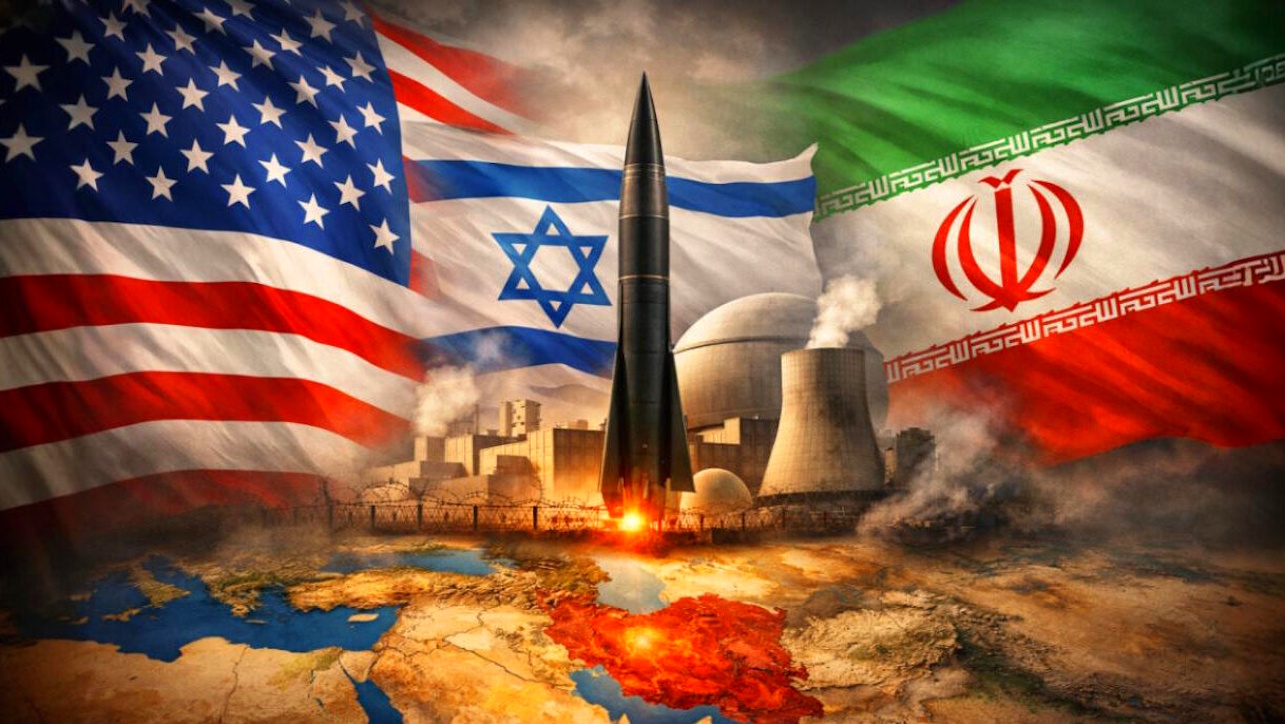
The United States military says it carried out strikes over the weekend against Iranian radar installations and drone-related facilities in the southern Iranian city of Goruk and on Qeshm Island, marking a significant escalation in tensions between Washington and Tehran.
Meanwhile, Kuwait reported what it described as “hostile” missile and drone attacks targeting its territory. Iran’s Islamic Revolutionary Guard Corps (IRGC) later claimed responsibility for a retaliatory strike against a military base that it says was used to launch an attack on Iran’s Sirik Island.
The developments come as regional instability continues to deepen. Israel’s expanding military operations in Lebanon have drawn widespread international criticism, prompting France to call for an emergency meeting of the United Nations Security Council.
Despite the escalating military exchanges, US President Donald Trump said that Washington remains close to reaching a “very good deal” with Iran. However, US media reports suggest that the administration is simultaneously seeking tougher conditions in any potential agreement. Iranian Foreign Minister Abbas Araghchi confirmed that diplomatic communications between Tehran and Washington remain ongoing but cautioned that no outcome can be considered certain until a final agreement is reached.
GCC Chief Condemns Iranian Attack on Kuwait
Jassim Mohammed Al-Budaiwi, Secretary-General of the Gulf Cooperation Council (GCC), strongly condemned Iran’s reported attack on Kuwait, describing it as a “dangerous and irresponsible escalation” that threatens regional stability.
In an official statement, Al-Budaiwi warned that such actions undermine efforts to preserve peace and security in the Gulf region. He called on the international community and the United Nations Security Council to adopt a firm and deterrent response to what he characterized as serious violations of international norms.
Reaffirming GCC solidarity, Al-Budaiwi stressed that Kuwait’s security is inseparable from that of the broader Gulf bloc. He emphasized that GCC member states stand united in supporting all measures taken by Kuwait to defend its sovereignty, territorial integrity, and the safety of its citizens and residents.
Iran Blames US Inconsistency and Israeli Actions for Delayed Diplomacy
Iranian officials have attributed the slow progress in diplomatic efforts to resolve tensions with the United States to deep-rooted mistrust, inconsistent messaging from Washington, and continuing Israeli military actions across the region.
Speaking on Monday, Foreign Ministry spokesperson Esmaeil Baghaei said negotiations were taking place in an atmosphere of “severe suspicion and mistrust,” noting that the exchange of messages between the two sides remains ongoing but has not yet produced a final breakthrough.
“The other party is constantly changing its positions and introducing new or contradictory demands,” Baghaei said. “Naturally, such circumstances prolong negotiations.”
He warned that if Washington’s mixed signals are part of a negotiating strategy, they are unlikely to influence Tehran. Alternatively, if the contradictory messages reflect divisions within the US administration, he said the United States should establish a clear and unified position.
Baghaei further argued that Iran views Israeli military operations, particularly in Lebanon, as closely linked to US regional policies. He maintained that any comprehensive agreement aimed at reducing regional tensions must include effective implementation of a ceasefire in Lebanon.
His remarks came after Israeli Prime Minister Benjamin Netanyahu reportedly instructed the military to resume strikes on Beirut’s southern suburbs, a Hezbollah stronghold known as Dahiyeh.
The Iranian spokesperson also stated that negotiations have not yet entered detailed discussions concerning Iran’s nuclear program. According to Baghaei, Tehran remains focused on securing the release of Iranian funds frozen abroad.
Tehran Accuses US of Violating Ceasefire
Baghaei accused the United States of violating an existing ceasefire through attacks on Iran’s southern provinces, arguing that such actions further erode trust and justify reciprocal defensive measures under international principles of self-defense.
The United States confirmed that it struck Iranian military sites over the weekend. In response, Iran’s IRGC announced on Monday that it had targeted a US military base in Kuwait.
Addressing neighboring countries, Baghaei issued a warning against facilitating US or Israeli military operations against Iran.
“Learn from the past and do not allow the United States and Israel to use your capabilities against Iran,” he said.
IRGC Claims Strike on Airbase Following Attack on Sirik Island
Iran’s Islamic Revolutionary Guard Corps said its Aerospace Force targeted an airbase allegedly involved in a US attack on a communications tower located on Sirik Island in Hormozgan Province.
The statement followed an announcement by the US Central Command (CENTCOM), which said American forces had conducted several “defensive strikes” against Iranian military targets after the reported downing of a US MQ-1 unmanned aerial vehicle.
According to Iran’s Tasnim News Agency, the IRGC accused the United States of carrying out an act of aggression by attacking the communications facility on Sirik Island.
In retaliation, the IRGC claimed it struck the airbase from which the operation was launched, asserting that its intended targets were successfully destroyed. However, the organization did not disclose the exact location of the base.
The IRGC also issued a warning that any future attacks would provoke a much stronger response.
“In the event of repeated aggression, the response will be entirely different, and responsibility will rest with the aggressive and child-killing US regime,” the statement said.
Earlier, the IRGC announced that it had shot down a US MQ-1 reconnaissance drone, a claim that has further heightened tensions and raised concerns about the possibility of a broader regional confrontation.
Growing Risk of Regional Escalation
The latest military exchanges between Iran and the United States, combined with the ongoing conflict involving Israel and Hezbollah in Lebanon, have intensified fears of a wider regional crisis. Diplomatic channels remain open, but repeated military incidents, competing strategic interests, and mutual distrust continue to complicate efforts to achieve de-escalation.
As international powers call for restraint, attention is increasingly focused on whether ongoing negotiations between Tehran and Washington can prevent further deterioration of an already volatile regional security environment.
Our Pashto-Dari Website

Support Dawat Media Center
If there were ever a time to join us, it is now. Every contribution, however big or small, powers our journalism and sustains our future. Support the Dawat Media Center from as little as $/€10 – it only takes a minute. If you can, please consider supporting us with a regular amount each month. Thank you
DNB Bank AC # 0530 2294668
Account for international payments: NO15 0530 2294 668
Vipps: #557320

Comments are closed.