

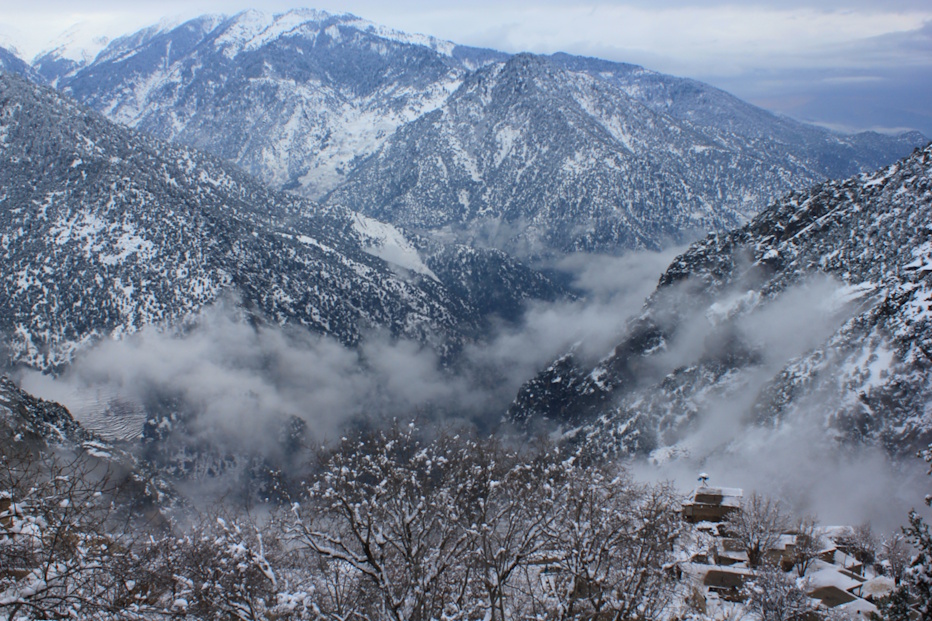
Aid deliveries have resumed in Nuristan, Afghanistan, where an estimated 136,000 people including 17,000 families are facing severe shortages of food, healthcare, and basic supplies following weeks of border clashes between Taliban forces and Pakistani military units.
The International Committee of the Red Cross (ICRC) confirmed that the violence, which erupted in late winter, effectively cut off entire districts from vital supply routes. The worst-affected areas are the remote districts of Kamdesh and Barg-e-Matal, where road closures isolated communities for more than six weeks. During this period, residents had little to no access to food markets, medical facilities, or humanitarian aid.
In response to the escalating crisis, aid operations have now resumed. The ICRC is working alongside the Afghanistan Red Crescent Society and the World Programme (WFP) to deliver emergency food parcels, medical supplies, and other essential items. Initial efforts are focused on life-saving support, including therapeutic feeding for malnourished children and mobile health clinics. Medical evacuations have also restarted, and local markets are showing early signs of recovery as access improves.
A deeper humanitarian crisis
Afghanistan remains locked in a profound humanitarian crisis, with millions of people relying on aid amid widespread poverty, a collapsed economy, and a fragile healthcare system. Remote provinces like Nuristan characterized by mountainous terrain and limited infrastructure are especially vulnerable to supply disruptions caused by conflict, seasonal weather, and border closures.
Since early April, the ICRC and UN agencies have held sustained, neutral negotiations with all parties to secure safe and unimpeded humanitarian access. These diplomatic efforts helped reopen key routes, allowing aid agencies to reach previously cut-off communities and begin relief operations.
Ongoing needs and calls for support
Despite these improvements, significant needs remain. Food security is still precarious, healthcare services are overstretched, and access to clean water and sanitation is limited in many areas. Aid agencies are calling for continued safe access, additional funding, and long-term support to prevent a full-scale catastrophe in Nuristan and other high-risk regions along the border.
The ICRC has reiterated the importance of respecting international humanitarian law, stressing that civilians and civilian infrastructure including roads, clinics, and supply convoys must never be a target or bargaining chip in armed confrontations.
Our Pashto-Dari Website
Support Dawat Media Center
If there were ever a time to join us, it is now. Every contribution, however big or small, powers our journalism and sustains our future. Support the Dawat Media Center from as little as $/€10 – it only takes a minute. If you can, please consider supporting us with a regular amount each month. Thank you
DNB Bank AC # 0530 2294668
Account for international payments: NO15 0530 2294 668
Vipps: #557320

Comments are closed.