
World Refugee Day: UNHCR Pleads for Surge in Aid as Afghanistan Buckles Under Returnee Crisis

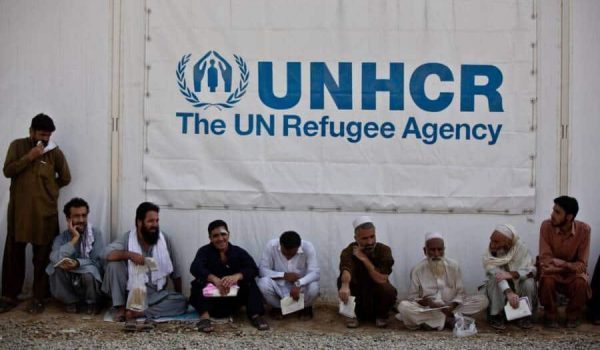
Geneva/Kabul – As the world marks World Refugee Day on June 20, the United Nations refugee agency (UNHCR) has issued an urgent appeal for stepped-up international support for Afghanistan, warning that the country’s fragile infrastructure is being overwhelmed by a massive and accelerating influx of returnees from neighboring Pakistan and Iran.
In a statement released to commemorate the annual day of solidarity, UNHCR hailed the “resilience, courage, and perseverance” of millions of displaced Afghans and returnees. However, the agency pivoted swiftly to a stark operational warning: without a dramatic increase in sustainable reintegration funding, the very fabric of host communities could unravel. “Sustainable reintegration is not merely a humanitarian nicety; it is an absolute necessity for strengthening local communities, fostering long-term stability, and underpinning Afghanistan’s recovery and reconstruction,” the agency stated.
A Nation at Breaking Point
The appeal comes as Afghanistan confronts a humanitarian double-blow. According to the International Organization for Migration (IOM), over 1.5 million Afghans have returned from Pakistan and Iran since the start of 2024, with hundreds of thousands more expected in the coming months. This mass movement has been fueled by Pakistan’s aggressive crackdown on undocumented foreigners which began in late 2023 and Iran’s escalating deportations, driven by its own domestic economic strains and security concerns.
Humanitarian organizations on the ground warn that the country’s economy, already decimated by the withdrawal of international development aid and restrictive banking sanctions, is failing to absorb this wave. The IOM and other UN partners have documented severe “absorption shocks” in key provinces, where housing costs have skyrocketed, informal wages have plummeted, and public health clinics are turning away patients due to a lack of medicine and staff.
“Most families are crossing the border with nothing but the clothes on their backs,” said a senior aid worker in Kandahar, speaking on condition of anonymity. “They return to villages that already cannot feed their own children. The competition for menial labor is fierce, and desperation is breeding resentment.”
A Global Call for Solidarity
In a concurrent address, UN Secretary-General António Guterres delivered a wider call for international solidarity, reminding global leaders that the Afghan crisis is but one facet of a record global displacement emergency. With over 114 million people forcibly displaced worldwide due to conflict, persecution, and climate shocks, Guterres urged governments to “move beyond short-term aid and invest in long-term solutions” that benefit both refugees and the overburdened communities hosting them.
The Politics of Return
The rising returnee numbers are inextricably linked to geopolitical pressures. Pakistani Prime Minister Shehbaz Sharif has robustly defended his country’s repatriation drive, asserting that undocumented individuals “must abide by Pakistani law.” Islamabad has cited national security and the strain on its own public services as justification for the expulsions.
However, human rights groups, including Amnesty International and Human Rights Watch, have condemned the abrupt nature of the Pakistani policy, pointing to reports of mass arrests, confiscation of property, and the separation of families. These organizations, alongside UN agencies, have repeatedly urged both Islamabad and Tehran to ensure that all returns are voluntary, safe, and dignified and to halt deportations that fail to adhere to international legal obligations regarding due process and non-refoulement.
A Bleeding Economy and the Need for a Paradigm Shift
Aid agencies caution that Afghanistan is entering a dangerous downward spiral. The United Nations Office for the Coordination of Humanitarian Affairs (OCHA) estimates that over 23 million Afghans require humanitarian assistance this year, yet the 2024 funding appeal remains less than 25 percent funded.
Without an urgent pivot from short-term emergency relief to medium-term livelihood support such as cash-for-work programs, agricultural seed distribution, and small-business grants experts fear that the returnee crisis will metastasize into a larger regional security threat. “Throwing blankets and food packets at the problem is no longer enough,” noted a senior diplomat in Kabul. “If we don’t help these returnees stand on their own feet, we are fueling the next wave of outward migration and instability.”
As World Refugee Day puts a spotlight on the plight of the displaced, the message from Kabul is clear: international promises must now translate into tangible, immediate, and sustained financial commitments or Afghanistan’s humanitarian cliff will become an abyss.
Our Pashto-Dari Website

Support Dawat Media Center
If there were ever a time to join us, it is now. Every contribution, however big or small, powers our journalism and sustains our future. Support the Dawat Media Center from as little as $/€10 – it only takes a minute. If you can, please consider supporting us with a regular amount each month. Thank you
DNB Bank AC # 0530 2294668
Account for international payments: NO15 0530 2294 668
Vipps: #557320

Comments are closed.