
From Kabul to Washington: Inclusion, Human Capital, and the Sources of American Power
By Prof. Dr. Ubaidullah Burhani

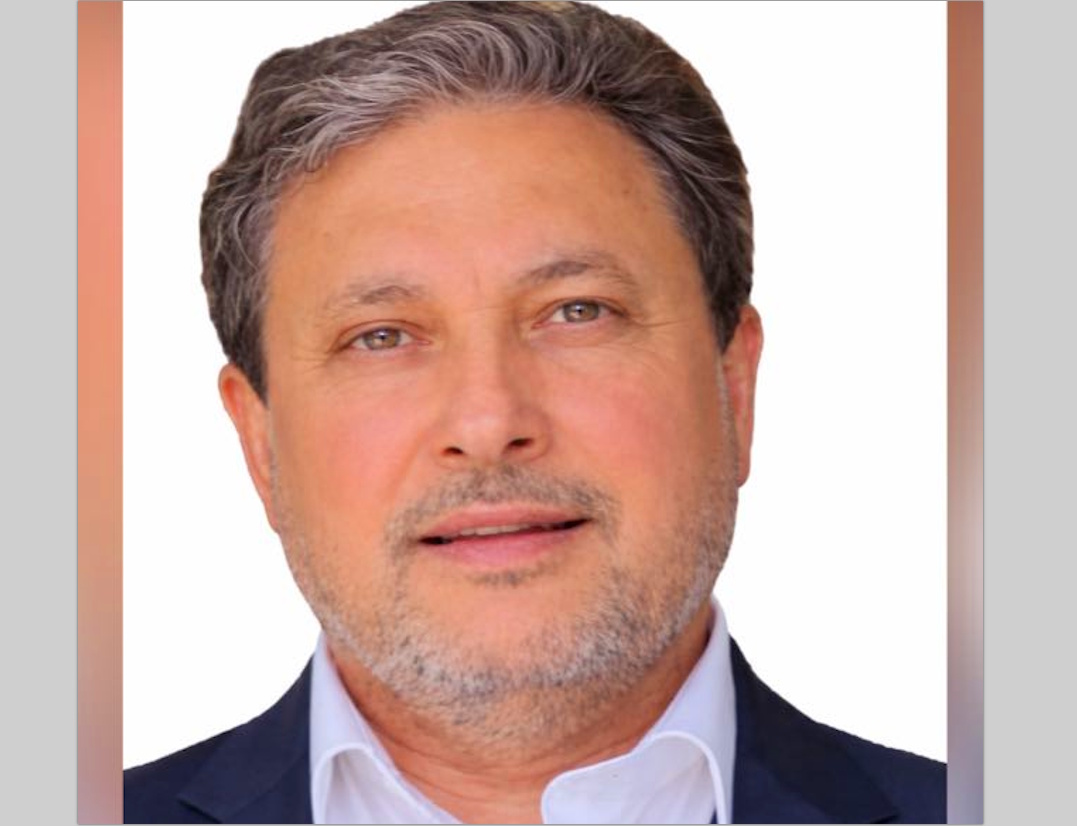
The election of Aysha Wahab, an American of Afghan heritage, to the U.S. House of Representatives cannot be reduced to the outcome of a single electoral contest. It offers a broader illustration of the capacity of American institutions to accommodate diversity and, under the right conditions, transform it into meaningful civic and political participation.
The strength of the American model does not rest simply on the diversity of its population. More importantly, it lies in the institutional mechanisms through which successive generations of immigrants can participate in education, the economy, public service, civil society, and political life. Over time, individuals who arrive with different cultural and national backgrounds can become contributors to the country’s intellectual, economic, social, and political capital.
From this perspective, diversity should not be viewed solely as a demographic characteristic. Properly supported by institutions and equal citizenship, it can also constitute a source of human capital, innovation, social resilience, and institutional renewal.
Political Competition and the Continuity of National Interests
American politics is characterized by vigorous competition, particularly between the Republican and Democratic parties. The two parties differ substantially on issues including immigration, taxation, the role of government, social policy, and aspects of foreign affairs.
Yet political competition takes place within an established constitutional and institutional framework. Despite significant disagreements over policy priorities and methods, broader national interests—including national security, economic competitiveness, technological leadership, and the country’s international position—continue to shape the strategic environment in which both parties operate.
A change in political leadership, therefore, does not necessarily represent a complete departure from the country’s broader strategic trajectory. More often, it involves a recalibration of priorities, policies, and instruments.
This institutional capacity to accommodate political disagreement while preserving continuity is an important dimension of democratic resilience.
From Direct Intervention to the Strategic Value of Human Capital
The United States’ experiences in Iraq and Afghanistan have contributed to a more cautious approach toward prolonged military interventions and externally driven state-building. This evolution should not necessarily be interpreted as a retreat from international engagement. Rather, it reflects a broader reassessment of how national influence and strategic capacity can be sustained.
In the twenty-first century, national power is increasingly multidimensional. Military capabilities remain essential, but they operate alongside technological innovation, economic strength, alliances, education, institutional capacity, and human capital.
From this perspective, the successful integration of immigrants is not simply a matter of domestic social policy. It can also have strategic implications. Individuals who enter a country as immigrants may, over the course of one or two generations, contribute to its universities, technology sector, businesses, public institutions, military, diplomatic services, research organizations, and political system.
The ability to attract, educate, and retain talented people is consequently an important component of national competitiveness.
From Subjects of Foreign Policy to Participants in Political Life
The Afghan-American experience illustrates this transformation in a particularly compelling way.
For decades, Afghans were often encountered within the framework of American foreign policy—as refugees, local partners, interpreters, development beneficiaries, or participants in the reconstruction of Afghanistan. The emergence of Afghan-American citizens in increasingly prominent positions within American society represents a different stage of that relationship.
They are no longer simply subjects or beneficiaries of policy toward Afghanistan. They are American citizens participating in the political, economic, academic, and civic life of the United States.
This distinction is important. Americans of Afghan heritage do not necessarily represent Afghanistan, nor should their political positions be interpreted as an extension of the interests of their countries or communities of origin. Their primary political responsibility is to the United States, its Constitution, their constituents, and the broader national interest.
At the same time, cultural heritage and lived experience can provide individuals with perspectives and forms of knowledge that may be valuable in understanding complex international and regional issues.
Institutional Inclusion as a Source of National Resilience
One of the notable characteristics of the American experience is the possibility of maintaining cultural heritage while participating fully in the civic and political institutions of the country.
Inclusion does not necessarily require the elimination of difference. Rather, it requires a shared framework within which differences can coexist under common principles of citizenship, constitutional rights, law, and political participation.
This distinction is important because successful integration is not the same as cultural uniformity.
A society can remain diverse while maintaining a common civic framework.
The ability to create such a framework can contribute to social cohesion and institutional resilience. It also allows the state to benefit from a broader pool of experiences, skills, languages, professional expertise, and perspectives.
In this sense, inclusion is not merely a social objective. It can also be understood as a form of national capacity.
The Broader Strategic Lesson
The significance of the journey from Kabul to Washington therefore extends beyond the political career of any single individual.
It illustrates a broader question concerning how modern states build and renew national power.
Countries compete not only through territory, natural resources, military capabilities, or economic output. They also compete through their ability to attract talent, cultivate human capital, encourage innovation, build effective institutions, and provide citizens with meaningful opportunities to participate in public life.
For the United States, one of its enduring strategic advantages has been its ability—despite significant political and social tensions—to draw people from different parts of the world into its educational, economic, civic, and political institutions.
That process is neither automatic nor without challenges. Immigration, integration, identity, political polarization, and social cohesion remain subjects of legitimate and often intense debate. Yet the continued capacity of institutions to provide avenues for participation and advancement remains an important source of national renewal.
Conclusion
The journey from Kabul to Washington is therefore more than a story of migration or political representation. It can also be understood as a reflection of the relationship between immigration, citizenship, institutional inclusion, and national power.
The deeper strength of a state lies not only in the resources it possesses, but also in its capacity to develop the human potential within its society.
When individuals from different backgrounds are given the opportunity to acquire knowledge, compete fairly, serve their communities, and participate in public institutions, diversity can become more than a demographic reality. It can become a source of innovation, resilience, civic participation, and institutional renewal.
The American experience demonstrates that inclusion does not require people to abandon their heritage in order to belong. Rather, a strong civic framework can provide space for different histories and identities while bringing citizens together around common institutions, constitutional principles, and a shared national future.
In that sense, the journey from Kabul to Washington represents not simply the movement of people across borders, but the potential transformation of migration into citizenship, diversity into human capital, and inclusion into a source of national strength.
The original Arabic version of this article was published on the White House media platform in Washington, D.C.
Our Pashto-Dari Website

Support Dawat Media Center
If there were ever a time to join us, it is now. Every contribution, however big or small, powers our journalism and sustains our future. Support the Dawat Media Center from as little as $/€10 – it only takes a minute. If you can, please consider supporting us with a regular amount each month. Thank you
DNB Bank AC # 0530 2294668
Account for international payments: NO15 0530 2294 668
Vipps: #557320

Comments are closed.