

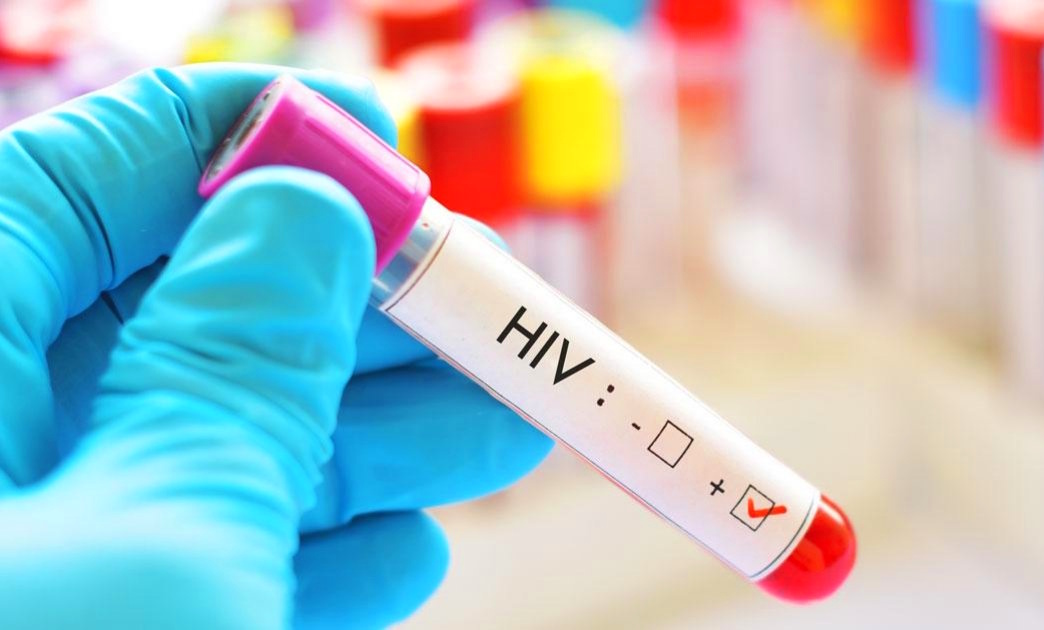
Kabul, Afghanistan – The Afghan Ministry of Health has reported 300 new confirmed cases of HIV in 2023, raising alarm among health officials and international aid organizations. The announcement, timed to World AIDS Day observations, underscores a deepening public health crisis fueled by a confluence of limited healthcare access, pervasive social stigma, and critically low public awareness.
A Crisis Compounded by Systemic Challenges
Health authorities identify several interlocking drivers behind the worrying trend. “Low public understanding of HIV transmission, coupled with severely limited access to diagnostic and treatment centres, means many individuals progress through the early, most treatable stages of infection unknowingly,” a ministry spokesperson stated. This diagnostic gap is exacerbated by a dire shortage of healthcare infrastructure; specialized treatment centres are scarce outside major urban areas, and existing facilities grapple with inconsistent supplies of antiretroviral therapy (ART) and a lack of psychosocial counselling services.
The social dimensions of the crisis are equally formidable. Deep-seated stigma and discrimination against people living with HIV discourage testing, drive patients into hiding, and disrupt treatment adherence, creating a vicious cycle that facilitates further transmission.
Historical Context and Current Toll
According to United Nations data, Afghanistan detected its first HIV case in 1989. Since then, the country has recorded over 400 AIDS-related deaths. While prevalence remains low compared to regional neighbors, experts warn the official figures likely represent a significant undercount due to low testing rates and reporting gaps. The current situation threatens to undo years of fragile progress.
Calls for Action and a Strained Response
Community advocates and families affected by HIV have urgently petitioned the Health Ministry to dramatically scale up public prevention and education campaigns. They emphasize that culturally sensitive, widespread information about transmission and prevention is the first critical step to curbing the outbreak.
The Taliban-led government has stated its commitment to maintaining existing prevention, education, and drug-distribution programs despite severe economic and resource constraints. However, the withdrawal of much international development assistance following the 2021 takeover has left a gaping void in health sector funding. International health partners, including the World Health Organization and UNAIDS, warn that sustained external support is essential to prevent a wider epidemic.
An Uncertain Future
Public health experts issue a stark prognosis for the road ahead. Without a major, coordinated investment in nationwide awareness campaigns, destigmatization efforts, and the reliable provision of testing and treatment across all provinces, Afghanistan risks a steady and potentially severe rise in HIV incidence in the coming years.
“The convergence of low awareness, treatment barriers, and stigma creates a perfect storm,” noted one epidemiologist with a Kabul-based NGO. “Addressing this requires not just medical resources, but a profound community-led effort to change social attitudes. The 300 new cases are a warning sign we cannot afford to ignore.”

Support Dawat Media Center
If there were ever a time to join us, it is now. Every contribution, however big or small, powers our journalism and sustains our future. Support the Dawat Media Center from as little as $/€10 – it only takes a minute. If you can, please consider supporting us with a regular amount each month. Thank you
DNB Bank AC # 0530 2294668
Account for international payments: NO15 0530 2294 668
Vipps: #557320

Comments are closed.