
Over 2,000 Afghans Return Home in Single Day as Repatriation Efforts Intensify

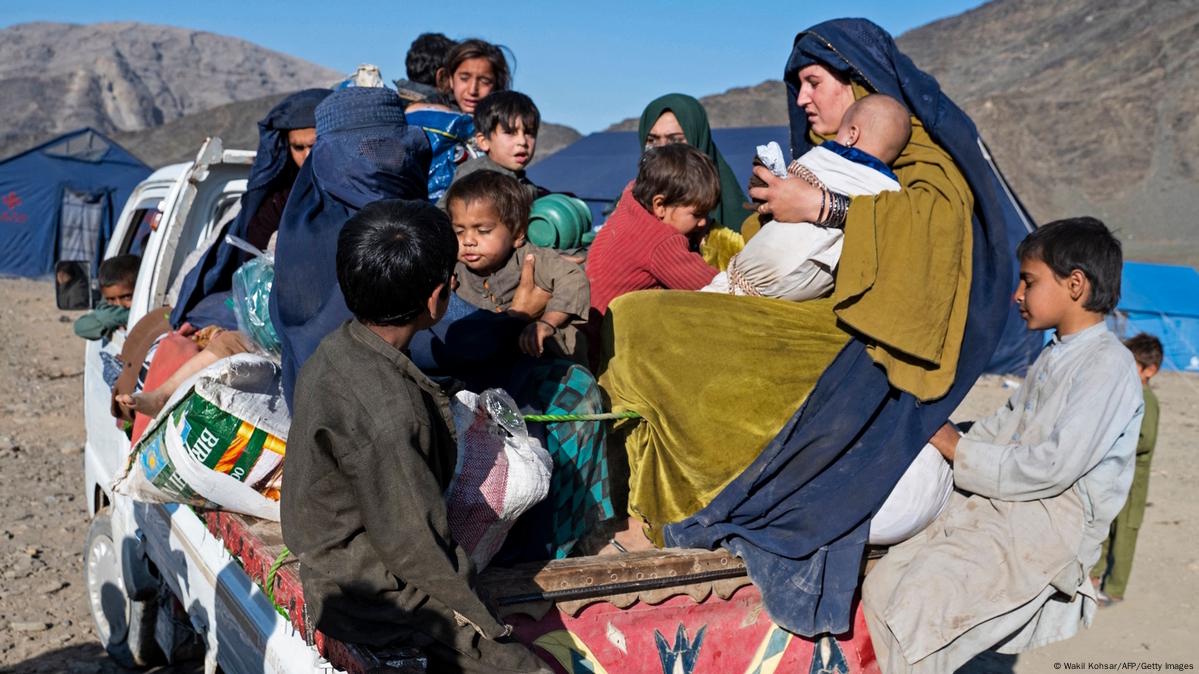
KABUL, Afghanistan – In a significant single-day movement, a total of 439 Afghan families amounting to 2,071 individuals returned to their homeland from neighboring Iran and Pakistan, Afghan officials confirmed on Saturday. The repatriation, coordinated across multiple border crossings, underscores ongoing efforts by the Islamic Emirate of Afghanistan (IEA) to manage the return of displaced citizens amid regional economic and political pressures.
Mullah Hamdullah Fitrat, deputy spokesman for the IEA, shared the detailed report from the High Commission for Addressing Afghan Refugees’ Problems via his official X (formerly Twitter) account. The commission has been actively facilitating the return and reintegration of Afghan nationals who had sought refuge or employment abroad, many of whom faced increasing difficulties in host countries due to tightening visa policies, economic downturns, and rising anti-migrant sentiment.
Major Crossings See Heavy Traffic
The vast majority of returnees 367 families comprising 1,805 people entered through the Torkham border crossing in eastern Nangarhar province, which borders Pakistan. From there, 318 families (2,308 individuals) were transported onward to the provinces of Nangarhar, Kunar, Laghman, and the capital, Kabul. The commission allocated 1.67 million Afghanis (approximately $19,000 USD) to cover their transport costs.
At Torkham, cash assistance totaling 3.486 million Afghanis (around $39,500 USD) was distributed to 409 families to help them meet immediate needs upon arrival. Additionally, the Omari camp near the crossing provided essential healthcare services and telecommunications support, including the distribution of SIM cards to help returnees reconnect with relatives and access information.
Southern and Western Border Activity
In the south, 13 families (55 people) returned through the Spin Boldak crossing in Kandahar province, which connects to Pakistan’s Balochistan region. Officials transported 14 families (50 people) to various provinces, with over 104,000 Afghanis (about $1,180 USD) provided for their travel. A further 114,000 Afghanis (roughly $1,290 USD) in direct cash aid was given to 14 families, alongside food parcels, medical check-ups, and mobile phone services.
Meanwhile, in the western province of Nimroz, 42 families (164 individuals) crossed via the Pul-i-Abresham border point, which links to Iran. In addition, 1,017 individual travelers not part of family units also returned through the same route. Cash assistance of 42,000 Afghanis (around $475 USD) was extended to five of the neediest families there.
At the Islam Qala border crossing in Herat province—another key entry point from Iran 17 families (47 people) returned. They received a total of 102,000 Afghanis (approximately $1,155 USD) in financial aid.
Internal Transport and Overall Assistance
To ease the burden of onward travel, the Transport and Transfer Committee in Kabul facilitated the movement of 36 families (169 people) to their final provincial destinations, disbursing 147,600 Afghanis (about $1,670 USD) for their transport.
In total, across all border points, the commission reported that 439 families (2,071 people) returned to Afghanistan on that single day. Of these, 368 families (2,527 people) were subsequently transported to various provinces for resettlement. Assistance in the form of cash, food, healthcare, or communication services was provided to 445 families, and 363 SIM cards were distributed to ensure returnees could stay connected.
A Growing Humanitarian Challenge
The mass returns come as Afghanistan continues to grapple with a fragile economy, limited employment opportunities, and a strained humanitarian infrastructure. The IEA, alongside UN agencies and local NGOs, has been working to scale up reception facilities and reintegration support, though resources remain scarce. The High Commission has urged international donors to increase funding for repatriation and resettlement programs, warning that without sustained aid, many returnees could face acute food insecurity and homelessness.
Officials stress that while the returns are voluntary in many cases, a growing number of Afghans are being deported or pressured to leave Iran and Pakistan, where they have lived for decades. The IEA has called for dignified and orderly repatriation processes, and continues to register returnees to better assess their needs and plan for longer-term solutions, including shelter, education, and livelihood projects.
As the winter months approach, the pace of returns is expected to remain high, placing further demands on Afghanistan’s already overstretched relief systems. The commission has assured that it will continue to document and assist every family, but acknowledges that sustainable reintegration will require broader international cooperation and investment.
Our Pashto-Dari Website

Support Dawat Media Center
If there were ever a time to join us, it is now. Every contribution, however big or small, powers our journalism and sustains our future. Support the Dawat Media Center from as little as $/€10 – it only takes a minute. If you can, please consider supporting us with a regular amount each month. Thank you
DNB Bank AC # 0530 2294668
Account for international payments: NO15 0530 2294 668
Vipps: #557320

Comments are closed.