

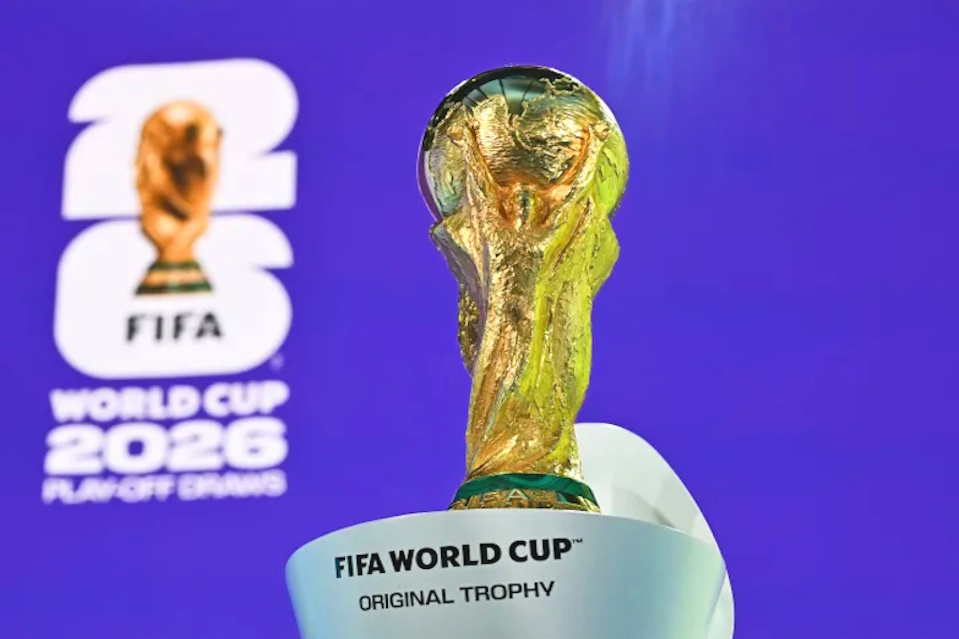
The road to the 2026 FIFA World Cup reaches a critical milestone with the official final draw. This pivotal event, occurring only once every four years, does more than just sort teams into groups—it sets the narrative, determines potential paths to glory, and can lift or deflate a nation’s hopes before a single ball is kicked. For the expanded 48-team tournament across the United States, Canada, and Mexico, the draw introduces new complexities and a groundbreaking format. Here’s everything you need to know before the fateful plastic balls are drawn.
When and Where to Watch the Draw
-
Date & Time: Friday, December 5, 2025. The ceremony begins at 12:00 PM Eastern Time (17:00 GMT).
-
Venue: The John F. Kennedy Center for the Performing Arts in Washington, D.C.
-
How to Watch: The event will be broadcast globally on FIFA’s official streaming platform, FIFA+, and through various international broadcast partners (check local listings).
The New 48-Team Format: A Primer
The 2026 World Cup breaks from tradition, expanding from 32 to 48 teams. This means 12 groups of four teams (A through L). The top two finishers from each group, plus the eight best third-place teams, will advance to a new 32-team knockout stage. This structure makes the draw crucial, as finishing first or second in your group becomes paramount to secure a potentially easier knockout path.
The Draw Procedure: Step-by-Step
The draw will use four pots, each containing 12 teams, based on the FIFA World Rankings (with hosts seeded). The process is meticulous:
-
Pot 1 (Seeds): The 12 seeded teams are drawn first and placed into positions A1 through L1.
-
Pots 2, 3, and 4: The draw continues sequentially with Pots 2, 3, and 4. Teams from these pots are drawn and placed into the next available slot in their group (e.g., A2, A3, A4).
-
The Physical Draw: Each team’s name is placed inside a numbered plastic ball. These balls are mixed in large glass bowls, and one is drawn at a time by special guests.
The Pots: Who’s In and Who’s Waiting
As of the draw, 42 of the 48 teams have qualified. The final six spots will be decided in a playoff tournament in March 2026.
-
Pot 1 (Seeded Teams): Canada (Host, Group B), Mexico (Host, Group A), USA (Host, Group D), Spain (1), Argentina (2), France (3), England (4), Brazil, Portugal, Netherlands, Belgium, Germany.
-
Pot 2: Croatia, Morocco, Colombia, Uruguay, Switzerland, Japan, Senegal, Iran, South Korea, Ecuador, Austria, Australia.
-
Pot 3: Norway, Panama, Egypt, Algeria, Scotland, Paraguay, Tunisia, Ivory Coast, Uzbekistan, Qatar, South Africa.
-
Pot 4: Jordan, Cape Verde, Ghana, Curaçao, Haiti, New Zealand, plus the six placeholder balls for the playoff winners (four from UEFA, two intercontinental).
Notable Stories: Four-time champion Italy (ranked 12th) must navigate the playoffs and, if they qualify, would be placed in Pot 4, setting up a potential “Group of Death.” Debutants Uzbekistan are in Pot 3, while Jordan, Cape Verde, and Curaçao (all first-timers) are in Pot 4.
Key Draw Rules and Restrictions
To ensure geographic diversity, strict rules apply:
-
Confederation Limit: No group may contain more than one team from the same confederation, except for UEFA (Europe).
-
European Exception: A maximum of two European teams can be drawn into the same group, reflecting Europe’s large contingent (16 teams).
-
Host Placement: The three host nations have pre-assigned groups: Mexico in A1, Canada in B1, and USA in D1.
The Seeded Bracket: A Game-Changer for the Knockouts
The most significant innovation for 2026 is the pre-drawn, seeded knockout bracket. The draw doesn’t just create groups; it maps out the entire tournament path.
-
The top four ranked teams—Spain, Argentina, France, and England—will be placed into separate quarters of the bracket (e.g., Groups A, B, C, D as seeds).
-
If these four teams win their groups, they cannot meet each other until the semifinals. This means potential heavyweight clashes like a France vs. Argentina final are locked in from the start.
-
This system rewards top-tier performance in the group stage and provides a clearer, tennis-style roadmap to the final at MetLife Stadium.
What Happens After the Draw?
Once the groups are set, FIFA will conduct a separate draw to assign specific match schedules and venues for the three teams in each group that are not hosts. This ensures logistical fairness regarding travel and rest across the 16 host cities in three countries.
The December 5th draw will finally bring the historic 2026 World Cup into sharp focus, revealing the challenges and opportunities that await the world’s best—and newest—footballing nations.

Support Dawat Media Center
If there were ever a time to join us, it is now. Every contribution, however big or small, powers our journalism and sustains our future. Support the Dawat Media Center from as little as $/€10 – it only takes a minute. If you can, please consider supporting us with a regular amount each month. Thank you
DNB Bank AC # 0530 2294668
Account for international payments: NO15 0530 2294 668
Vipps: #557320

Comments are closed.