
Iranian Media Report U.S. Strike on Oil Tanker Near Kharg Island Amid Rising Gulf Tensions

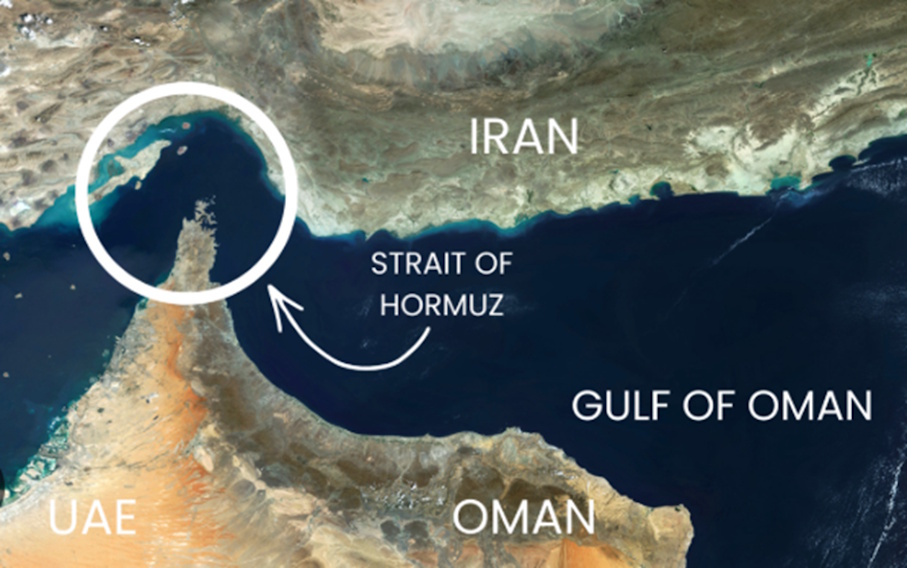
Iranian state-affiliated media reported on Saturday morning that a U.S. military action had struck an Iranian oil tanker in the vicinity of Kharg Island Iran’s main crude oil export terminal located roughly 15 miles off the country’s northwestern coast, near the strategic Strait of Hormuz. The reports emerged just one day after Tehran allegedly conducted anti-ship missile tests in the same waterway, though Iranian outlets provided no details on the intended targets or whether any damage was inflicted in those drills.
According to the initial, unconfirmed accounts, multiple explosions were heard near the vessel, prompting an immediate evacuation of the crew. No casualties have been reported thus far, and the tanker’s status whether it remains afloat or is taking on water has not been clarified. Shipping tracking data showed a temporary halt in traffic near the island, but oil markets had not yet reacted sharply at the time of reporting.
Both U.S. and Iranian officials have refrained from public comment, and Washington has not acknowledged any new strike. The Pentagon typically releases statements on operational matters through U.S. Central Command (CENTCOM), which has remained silent on this specific incident.
Escalating Back-and-Forth
Saturday’s reported strike follows a week of intensifying military exchanges. Last Sunday, CENTCOM announced it had taken “limited, precise action” against Iranian Revolutionary Guards Corps (IRGC) mine-laying forces near the Strait, stating they posed an “imminent threat” to commercial and naval vessels in the chokepoint through which nearly one-fifth of global oil supply transits daily. The IRGC confirmed that strikes had hit targets on Larak Island, a small outpost east of Kharg, and vowed retaliation.
That vow materialized within hours, as IRGC-affiliated media claimed successive rocket and drone attacks on U.S. military positions across Iraq, Syria, and eastern Saudi Arabia. While U.S. officials acknowledged some intercepts, they did not confirm significant damage to American personnel or infrastructure.
On Tuesday, CENTCOM launched a second, broader wave of strikes, targeting what it described as IRGC air-defense batteries, radar installations, maritime patrol assets, ammunition depots, and communications hubs along the Gulf coast. In a statement, CENTCOM characterized the operation as a direct response to “recent attempted attacks by the IRGC against commercial shipping in the Strait of Hormuz,” citing intelligence that suggested additional mine-laying operations were being prepared.
Strategic Stakes and Diplomatic Silence
Kharg Island, the reported site of Saturday’s strike, is Iran’s primary loading point for crude exports and has been a recurring flashpoint in past U.S.-Iranian naval confrontations. Any sustained disruption there could have immediate repercussions for global energy prices and insurance premiums for Gulf shipping.
The resumption of open conflict between the two nations dates back to late February, when the Iran war entered a new phase following Tehran’s failure to reach a renewed nuclear accord with Washington. Since then, the Strait of Hormuz has become the central theater of a “grey-zone” war characterized by mine incidents, harassing patrols, and targeted strikes even as both sides publicly insist they seek de-escalation.
Diplomatic channels remain quiet. The United Nations Security Council has not scheduled an emergency session, and neither Qatar nor Oman frequent mediators in Gulf crises have issued statements. Analysts suggest the coming hours will be critical in determining whether Saturday’s incident escalates into a wider exchange or remains an isolated, deniable engagement.
What to Watch
-
Official Confirmations: Any statement from CENTCOM, the Iranian military, or the IRGC will shape market and allied reactions.
-
Oil Prices: Brent crude futures could spike on Monday if the tanker is confirmed damaged or if shipping insurers widen the exclusion zone around Kharg.
-
Retaliatory Risks: Given Iran’s stated policy of “asymmetric response,” further IRGC attacks on U.S. allies or commercial vessels in the Gulf are considered likely.
This is a developing story. Check back for updates as more information becomes available.
Our Pashto-Dari Website

Support Dawat Media Center
If there were ever a time to join us, it is now. Every contribution, however big or small, powers our journalism and sustains our future. Support the Dawat Media Center from as little as $/€10 – it only takes a minute. If you can, please consider supporting us with a regular amount each month. Thank you
DNB Bank AC # 0530 2294668
Account for international payments: NO15 0530 2294 668
Vipps: #557320

Comments are closed.