

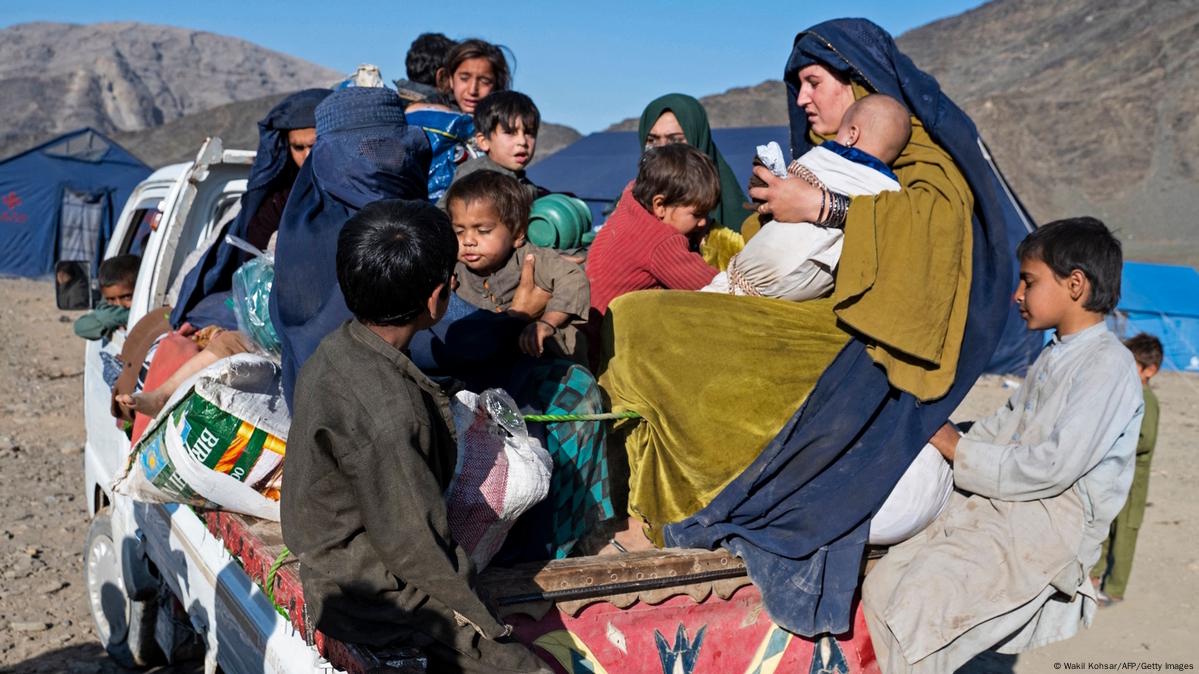
KABUL – More than 4,000 Afghan migrants returned to Afghanistan in a single day this weekend, as neighboring countries continued their deportation drives and some migrants opted for voluntary repatriation amid deteriorating conditions abroad.
According to media reports on Sunday, the state-run Bakhtar News Agency confirmed that 4,030 Afghan migrants including 774 families crossed into Afghanistan on Saturday through border crossings with Iran and Pakistan. The figure marks one of the highest single-day returns in recent weeks.
The influx comes as the United Nations warns that Afghanistan is struggling to absorb a growing number of returnees while already in the grips of a severe humanitarian and economic crisis. According to the UN, only 11% of returning Afghans currently have employment, fueling concerns over rising poverty, acute housing shortages, and extremely limited access to essential services such as healthcare, clean water, and education.
Just two days earlier, Taliban-controlled media outlets reported that more than 800 Afghan families had also returned, indicating a sustained wave of repatriation.
The United Nations says approximately 2.8 million Afghan migrants returned from Iran and Pakistan during 2025 alone, making it one of the largest population movements in the region in recent years. Aid agencies have warned that the sheer pace of returns is placing severe pressure on Afghanistan’s already fragile infrastructure and overwhelmed humanitarian systems.
The UN Human Settlements Programme (UN-Habitat) has added that the return of nearly three million migrants over the past year has effectively increased Afghanistan’s population by around 10%. This sudden demographic surge has created additional strain on urban centers, housing markets, public services, and local economies already buckling under multiple crises.
Pakistan and Iran have both intensified deportation campaigns targeting undocumented Afghan migrants in recent years, citing economic hardships, security concerns, and domestic political pressures. However, human rights organizations have repeatedly raised alarms about forced returns, inadequate screening processes, and the serious risks many Afghans face upon arrival, including threats from armed groups, land disputes, and lack of legal protections.
International aid organizations further emphasize that Afghanistan continues to face widespread unemployment, food insecurity, and economic instability more than three years after the political changes of 2021. Millions of people across the country remain entirely dependent on humanitarian assistance, yet international funding for aid operations has declined significantly in recent months due to donor fatigue and competing global crises.
Without a coordinated international response, warning experts, the ongoing return of millions of Afghans risks deepening both a humanitarian catastrophe and a regional stability crisis.
Our Pashto-Dari Website

Support Dawat Media Center
If there were ever a time to join us, it is now. Every contribution, however big or small, powers our journalism and sustains our future. Support the Dawat Media Center from as little as $/€10 – it only takes a minute. If you can, please consider supporting us with a regular amount each month. Thank you
DNB Bank AC # 0530 2294668
Account for international payments: NO15 0530 2294 668
Vipps: #557320

Comments are closed.