
UN Warns Afghanistan’s Hunger Crisis Is Deepening, with Women and Children Hit Hardest

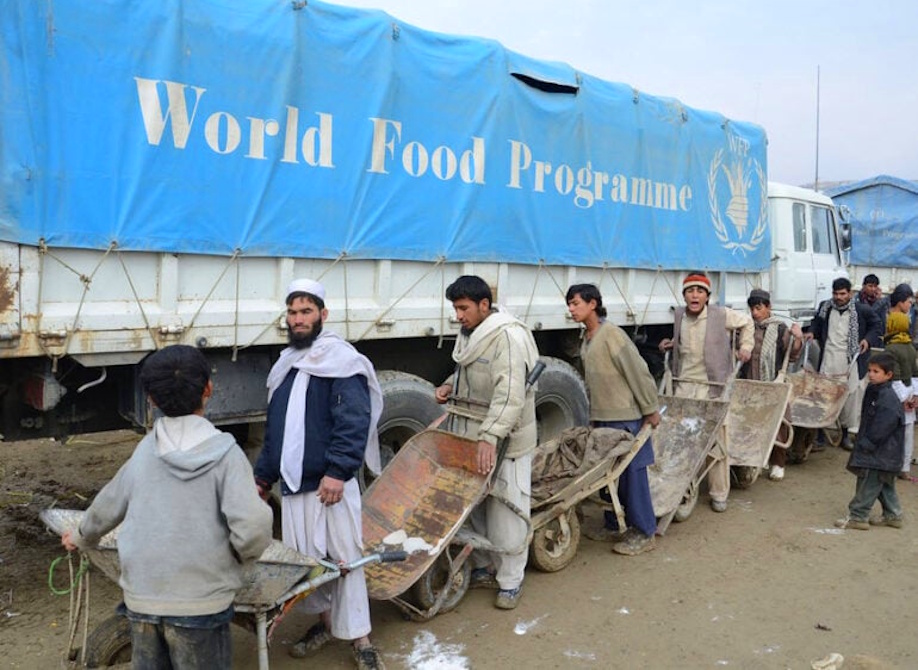
KABUL/NEW YORK – The United Nations has issued a stark warning that hunger and food insecurity are rapidly worsening across Afghanistan, with women and children bearing the heaviest toll amid an unrelenting convergence of economic collapse, climate shocks, and rising regional instability.
According to UN agencies, Afghanistan continues to struggle with overlapping crises that have crippled livelihoods nationwide. The economy remains in a fragile state following the withdrawal of international development support in 2021, widespread unemployment has left millions without a safety net, and extreme weather events including severe droughts and flash floods have devastated agricultural production. More recently, escalating tensions in neighboring regions have disrupted trade routes, driving up food prices and putting basic staples out of reach for countless vulnerable households.
“The little food we can afford we give to our children, but that is not enough,” said Raqiba Ahmadi, a resident of Faizabad city in northeastern Afghanistan. She told UN monitors that her youngest daughter is slowly recovering from malnutrition, while her husband remains jobless. “Every day we wonder if there will be anything to eat tomorrow.”
The UN World Food Programme (WFP) warned that persistent funding shortfalls have sharply reduced supplies of specialized nutritious foods such as ready-to-use therapeutic food (RUTF) and micronutrient supplements that are crucial for treating acutely malnourished pregnant and breastfeeding women as well as young children. Without these supplies, millions risk irreversible health damage or death.
“We are being forced to make impossible choices,” said a WFP spokesperson. “Either we treat a child for severe malnutrition, or we provide a family with basic bread. Right now, we cannot afford to do both for everyone who needs it.”
Recent data from the Integrated Food Security Phase Classification (IPC) indicates that more than 15 million Afghans roughly one-third of the population are facing acute food insecurity, with over 2 million already in emergency levels (IPC Phase 4). Women-headed households, families with disabled members, and those in remote rural areas remain disproportionately affected. The WFP has noted that without an immediate infusion of funding, school feeding programs and maternal nutrition support could face further cuts by late 2026.
Humanitarian organizations are now calling for sustained, flexible international support to prevent the situation from descending into outright famine. They stress that while political engagement with Afghanistan’s de facto authorities remains complex, cutting off life-saving aid would disproportionately punish the country’s most innocent and vulnerable civilians its women and children.
“The world cannot look away,” Raqiba added quietly. “We are not asking for much just enough to keep our children alive.”
Our Pashto-Dari Website

Support Dawat Media Center
If there were ever a time to join us, it is now. Every contribution, however big or small, powers our journalism and sustains our future. Support the Dawat Media Center from as little as $/€10 – it only takes a minute. If you can, please consider supporting us with a regular amount each month. Thank you
DNB Bank AC # 0530 2294668
Account for international payments: NO15 0530 2294 668
Vipps: #557320

Comments are closed.