
Afghanistan Slashes Air Cargo Fees at International Airports in Major Push to Revive Exports

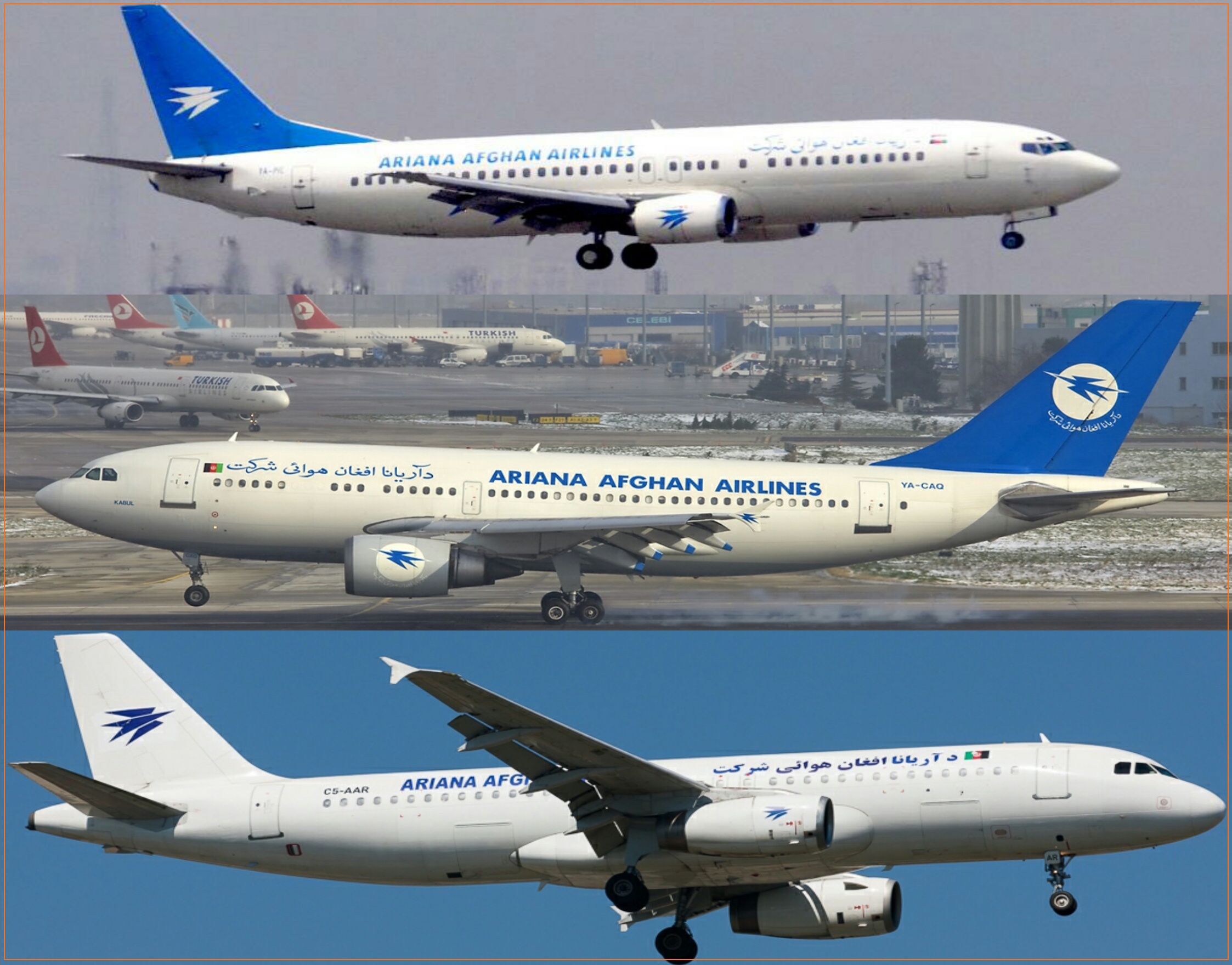
KABUL – In a significant policy shift aimed at revitalizing Afghanistan’s struggling export sector, the Taliban-led Ministry of Transport and Civil Aviation has announced steep reductions in air cargo service fees at the country’s international airports. The move is designed to lower logistical costs, ease trade bottlenecks, and help Afghan goods reach overseas markets more competitively.
In an official statement posted on X (formerly Twitter) on Thursday, the ministry detailed the new fee structure. The aviation security levy on cargo has been drastically reduced from $100 to just $10 per ton a 90% cut while ground handling charges have been lowered from $96 to $40 per ton, representing a reduction of nearly 58%.
Fathullah Mansour, the ministry’s deputy minister for aviation operations, framed the decision as a strategic intervention to support traders and producers. “Afghanistan possesses immense potential in agriculture and light industry, but our access to international markets has always been constrained by geography and cost. Air corridors are vital for high-value and perishable exports, and we are committed to making them more accessible,” Mansour said.
The ministry also introduced service discounts for cargo flights: scheduled freighters will receive a 25% discount on total service charges, while unscheduled (charter) cargo flights will benefit from a 50% discount. Additionally, airlines have been granted expanded rights to transport goods to third countries, a move intended to foster competition among carriers and further drive down freight rates for exporters.
A Landlocked Nation’s Lifeline
Afghanistan’s dependence on air cargo has grown acutely in recent years, particularly for perishable products such as fresh fruits, nuts, and saffron, which cannot withstand long overland transit. The country is landlocked and traditionally relies on overland routes through Pakistan and Iran to reach seaports. However, these pathways remain precarious.
Over the past 12 months, frequent border closures, tightened security checks, and trade restrictions along the Pakistan-Afghanistan frontier have caused millions of dollars in losses for Afghan traders. Simultaneously, escalating tensions in the Middle East particularly regarding shipping lanes near the Strait of Hormuz have added new layers of risk and cost to sea-based supply chains. These factors have made air transport not just an alternative, but an increasingly essential artery for Afghan commerce.
Infrastructure and Service Reforms
To complement the fee cuts, the Ministry of Transport announced the creation of a dedicated export processing zone at Kabul International Airport. The zone is intended to streamline customs clearance, improve packaging and quality control, and facilitate the swift movement of standardized export consignments.
Mohammad Anwar Jihadyar, head of customs at Kabul airport, confirmed that operational hours are being expanded to support the initiative. “We have issued a directive for all customs offices to operate 24 hours a day, seven days a week. Our goal is to minimize delays and provide seamless services to traders at all hours,” he stated.
Exporters: A Step Forward, but More Needed
While the fee reductions have been welcomed, industry representatives caution that they alone will not solve Afghanistan’s export logistics crisis. Abdul Qasim Amarkhel, head of the Kabul Dried Fruit Exporters Union, noted that current cargo flight capacity is insufficient to meet seasonal demand.
“We are now in the peak dried-fruit export season, and the volume of goods is very high. Two cargo aircraft are not enough we need international freighters from other countries to regularly land at Afghan airports and carry our products directly to global markets,” Amarkhel said. He urged the ministry to attract foreign airlines and offer additional incentives for dedicated cargo routes to Europe, South Asia, and the Gulf states.
Broader Economic Context
The fee revision comes amid mounting pressure on Afghanistan’s economy, which has faced severe liquidity constraints, banking restrictions, and declining foreign investment since the Taliban takeover in August 2021. Exports of agricultural products, which employ millions of rural Afghans, remain one of the few bright spots but only if they can reach buyers quickly and cost-effectively.
Analysts suggest that while the cargo fee cuts are a positive signal, sustainable growth will require deeper structural reforms, including investment in cold-chain infrastructure, trade finance mechanisms, and diplomatic efforts to reopen overland transit routes with regional neighbors.
For now, the Taliban administration is framing the policy as a tangible step toward economic self-reliance. “This is not just about reducing a number on a bill,” Mansour added. “It is about creating a competitive environment where Afghan products can stand on their own in international markets.”
Our Pashto-Dari Website

Support Dawat Media Center
If there were ever a time to join us, it is now. Every contribution, however big or small, powers our journalism and sustains our future. Support the Dawat Media Center from as little as $/€10 – it only takes a minute. If you can, please consider supporting us with a regular amount each month. Thank you
DNB Bank AC # 0530 2294668
Account for international payments: NO15 0530 2294 668
Vipps: #557320

Comments are closed.