
Germany Provides €6.8 Million to Afghanistan Humanitarian Fund Amid Deepening Crisis

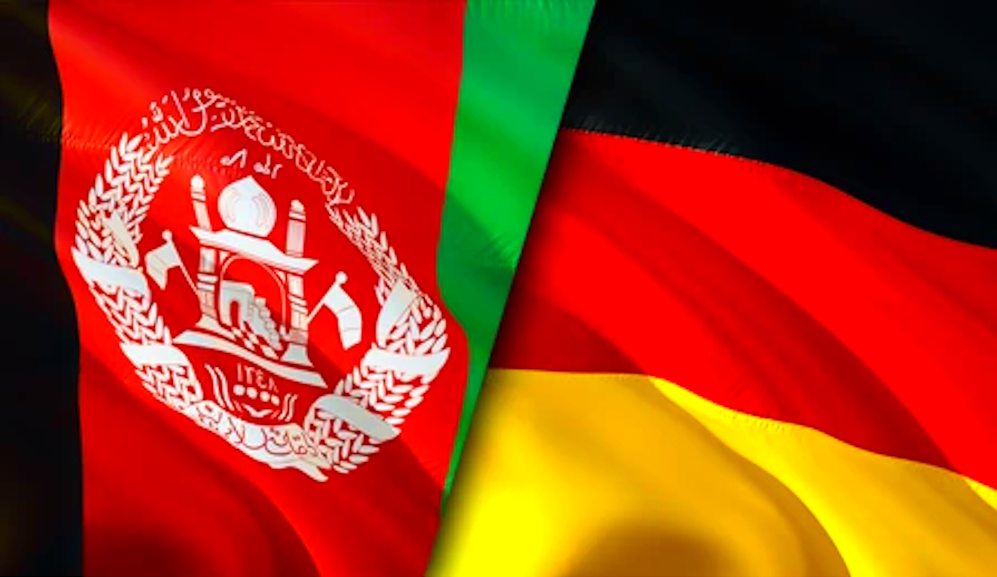
Germany has contributed €6.8 million (approximately $7.96 million) to the Afghanistan Humanitarian Fund (AHF), the United Nations Office for the Coordination of Humanitarian Affairs (OCHA) announced. The injection of funds comes at a critical juncture, as humanitarian needs across the country continue to escalate sharply, outpacing the international community’s ability to respond.
The contribution will directly support life-saving operations for vulnerable Afghan families grappling with extreme poverty, acute food insecurity, forced displacement, and the compounding effects of decades of conflict and recurrent natural disasters. The AHF, managed by OCHA, serves as a flexible pooled-funding mechanism that channels donor resources to frontline humanitarian partners including UN agencies, international NGOs, and local civil society organizations enabling them to deliver assistance to the most hard-to-reach and severely affected populations, with a focus on rapidly adapting to evolving needs on the ground.
This new funding arrives as Afghanistan confronts one of the world’s most severe humanitarian emergencies, characterized by a widening chasm between escalating needs and dwindling available aid. According to UNICEF estimates, 21.9 million people including 11.6 million children will require some form of humanitarian assistance in 2026. The situation for the youngest is particularly dire: the agency projects that 942,000 children under the age of five will need treatment for severe acute malnutrition or high-risk moderate malnutrition this year, a condition that, if left untreated, can lead to irreversible developmental damage or death.
The shortfall in international funding has already forced humanitarian organizations to make painful cutbacks, reducing or entirely suspending essential services. Reuters reported earlier this month that severe aid shortages have left six out of seven malnourished children and mothers in need of treatment without access to care, while child wasting a life-threatening form of acute undernutrition has reached critical levels in a third of Afghanistan’s 34 provinces. The World Food Programme (WFP) estimates that nearly 14 million Afghans are currently facing acute hunger, with many households resorting to desperate coping mechanisms such as skipping meals, selling assets, or taking on crippling debt.
The crisis has been further exacerbated by a confluence of overlapping shocks. Large-scale returns of Afghans from neighboring countries particularly Pakistan and Iran have surged, with over 2.2 million returnees recorded in 2025 alone, according to UNICEF. These returnees, many of whom were forcibly or voluntarily repatriated, arrive with few resources and place immense strain on already overstretched host communities, housing, water systems, and public services. Simultaneously, the country remains highly vulnerable to climate-induced disasters, including devastating floods, prolonged droughts, and erratic weather patterns, which have destroyed crops, livestock, and livelihoods, further deepening rural poverty and driving internal displacement.
Despite these immense challenges, humanitarian agencies continue to leverage available international funding to deliver critical support. During the first six months of 2026, UNICEF-supported health facilities provided essential primary and secondary health services to more than 18.9 million people across all 34 provinces a remarkable achievement given the operational constraints. Additionally, 6.8 million children were screened for wasting, and over 363,000 children received treatment for severe or high-risk malnutrition. Other interventions include food distributions, nutritional supplements, clean water and sanitation infrastructure, protection services for women and children, emergency education for out-of-school youth, and psychosocial support for trauma-affected families.
However, aid organizations warn that current funding levels remain drastically insufficient relative to the scale of need. UNICEF’s 2026 Humanitarian Action for Children appeal requires approximately $949 million to reach 12 million people, including 6.5 million children, with life-saving interventions. Yet latest funding tracking shows a substantial shortfall leaving critical programs underfunded and forcing agencies to prioritize which regions and populations receive assistance, often at the expense of others.
The German contribution therefore arrives as a vital lifeline at a moment when humanitarian partners are facing excruciating decisions over which programmes to sustain, scale back, or shutter entirely. OCHA’s 2026 funding data positions Germany among the leading donors to the global humanitarian pooled-fund system, reaffirming Berlin’s steadfast commitment to financing emergency assistance in protracted crises. This latest pledge not only bolsters the AHF’s capacity to rapidly allocate resources to the most urgent gaps but also signals continued international solidarity with the Afghan people, even as global attention shifts to other conflicts and emergencies.
Nevertheless, humanitarian leaders stress that additional, sustained, and flexible funding from a broader base of donors is urgently required to avert a full-scale catastrophe. Without a significant infusion of resources in the coming months, millions of Afghans particularly children, pregnant and nursing women, the elderly, and people with disabilities will remain cut off from the assistance they depend on for survival. The German contribution, while substantial, is a reminder that collective international action, coupled with unhindered humanitarian access and long-term development investment, remains the only viable path to preventing further human suffering in Afghanistan.
Our Pashto-Dari Website

Support Dawat Media Center
If there were ever a time to join us, it is now. Every contribution, however big or small, powers our journalism and sustains our future. Support the Dawat Media Center from as little as $/€10 – it only takes a minute. If you can, please consider supporting us with a regular amount each month. Thank you
DNB Bank AC # 0530 2294668
Account for international payments: NO15 0530 2294 668
Vipps: #557320

Comments are closed.