
Pakistan Suspends Medical and Dental Education for Afghan Students, Orders Immediate Departure of Current Enrollees

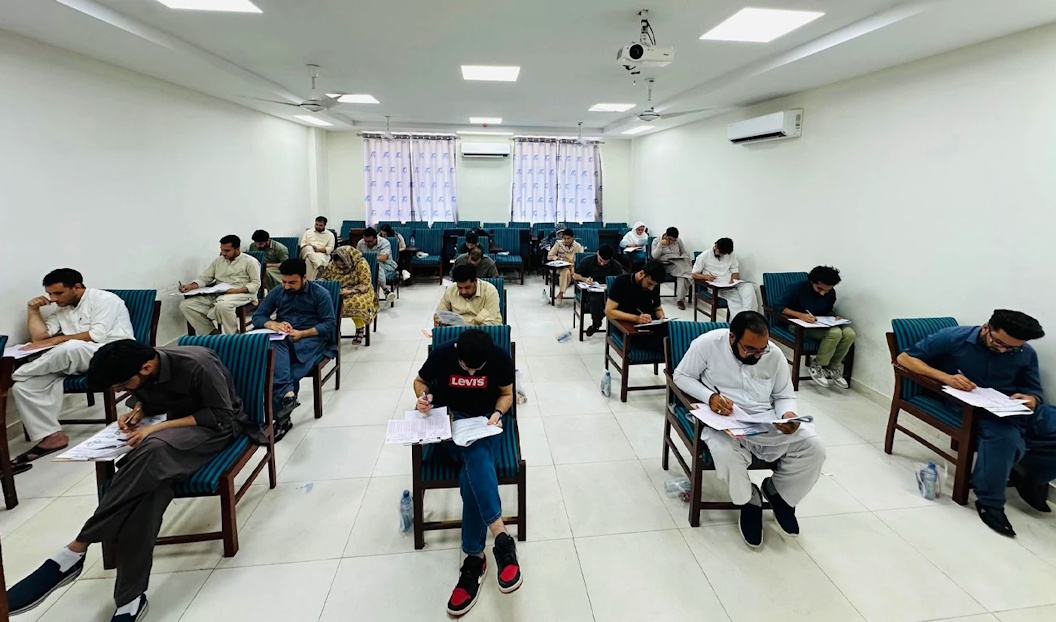
In a sweeping policy shift with far-reaching implications, Pakistan has suspended all medical and dental education processes for Afghan students and ordered universities to facilitate the immediate departure of those currently enrolled in the country. The decision, communicated through the University of Health Sciences (UHS) Lahore, follows directives from the Pakistan Medical and Dental Council (PMDC), the nation’s apex regulatory body for medical education.
The suspension applies to all MBBS (Bachelor of Medicine, Bachelor of Surgery) and BDS (Bachelor of Dental Surgery) programmes across institutions affiliated with UHS, which oversees more than 120 medical and dental colleges in the province of Punjab. The directive takes effect for the 2026–27 academic year and halts all related administrative and academic processes for Afghan nationals.
Scope of the Directive
Under the new orders, universities are explicitly prohibited from:
-
Admitting new Afghan students for the upcoming academic session,
-
Processing transfer applications from other institutions, and
-
Continuing any academic facilitation including examinations, clinical rotations, or thesis work for Afghan students already enrolled.
Furthermore, university departments have been instructed to complete all departure-related administrative formalities and submit compliance reports to the PMDC within 24 hours. This tight timeline has raised concerns about the feasibility of an orderly transition, especially for students in the middle of their academic programs.
Impact on a Vulnerable Student Population
The move directly affects hundreds of Afghan students who had relocated to Pakistan after the Taliban’s return to power in August 2021. Many of these students fled Afghanistan not only due to the collapse of the previous government but also because of the Taliban’s severe restrictions on higher education particularly for women and the broader erosion of academic freedoms. Pakistani universities had, in recent years, emerged as a critical lifeline for these students, offering scholarships, bilateral exchange opportunities, and private enrolment pathways.
For many, Pakistan was the only accessible option for continuing their medical training, given the proximity, cultural ties, and relative affordability compared to other countries. The sudden suspension now leaves these students in legal and academic limbo, with no clear pathway to complete their degrees or transfer their credits elsewhere.
Regulatory Context and Broader Oversight
The PMDC has framed the suspension as part of broader regulatory measures aimed at tightening oversight of medical education institutions across Pakistan. In recent months, the council has issued a series of directives to standardize admissions, curb irregularities, and ensure compliance with national education policies. However, this is the first time such measures have been applied categorically to a specific nationality, raising questions about whether the decision is purely regulatory or carries political or diplomatic undertones.
The UHS, which administers centralized admissions and examinations for its affiliated colleges, has been tasked with implementing the order. Its administrative offices are now working to document each Afghan student’s status, process withdrawal forms, and coordinate with relevant authorities to ensure the students’ departure is recorded and reported.
Uncertainty and Humanitarian Concerns
The suspension has created deep uncertainty among Afghan medical students, many of whom had invested years of study and significant financial resources into their education. For those nearing graduation, the order is particularly devastating, as they face the prospect of leaving without obtaining their degrees a requirement for medical licensing and practice in most countries.
Human rights organizations and education advocates have voiced alarm over the decision. They warn that such restrictions could further shrink the already limited higher education opportunities for young Afghans displaced by decades of conflict, political instability, and now, Taliban-imposed edicts. The suspension also risks undermining regional cooperation in education and health workforce development, as Pakistan had been a key destination for Afghan medical students.
No Alternative Arrangement Announced
As of now, the Pakistani government has not announced any alternative arrangement for the affected students. It remains unclear whether exemptions will be granted for those already in advanced stages of their training, or whether students will be allowed to take transfer exams or receive partial credit for completed coursework. Diplomatic channels between Islamabad and Kabul have not publicly addressed the issue, and there has been no indication of a reconsideration or phased implementation of the order.
Looking Ahead
The suspension marks a significant turning point in Pakistan-Afghanistan educational relations and raises broader questions about the treatment of displaced student populations in times of regional flux. For the Afghan students caught in the middle, the path forward is fraught with uncertainty academically, professionally, and personally. As the 24-hour compliance deadline approaches, the immediate focus will be on how universities manage the logistical and emotional fallout of this sudden policy enforcement.
In the longer term, the decision may prompt international stakeholders including UN agencies, the World Health Organization, and educational foundations to step in and explore alternative pathways for Afghan medical students, whether through online learning, third-country transfers, or emergency scholarship programs. Until then, hundreds of aspiring doctors and dentists face an uncertain future, their dreams of practicing medicine hanging in the balance.
Our Pashto-Dari Website
Support Dawat Media Center
If there were ever a time to join us, it is now. Every contribution, however big or small, powers our journalism and sustains our future. Support the Dawat Media Center from as little as $/€10 – it only takes a minute. If you can, please consider supporting us with a regular amount each month. Thank you
DNB Bank AC # 0530 2294668
Account for international payments: NO15 0530 2294 668
Vipps: #557320

Comments are closed.