
UN Report: Afghanistan Conflict Killed Over 40,000 Civilians Between 2009 and 2021, Leaving Deep Scars

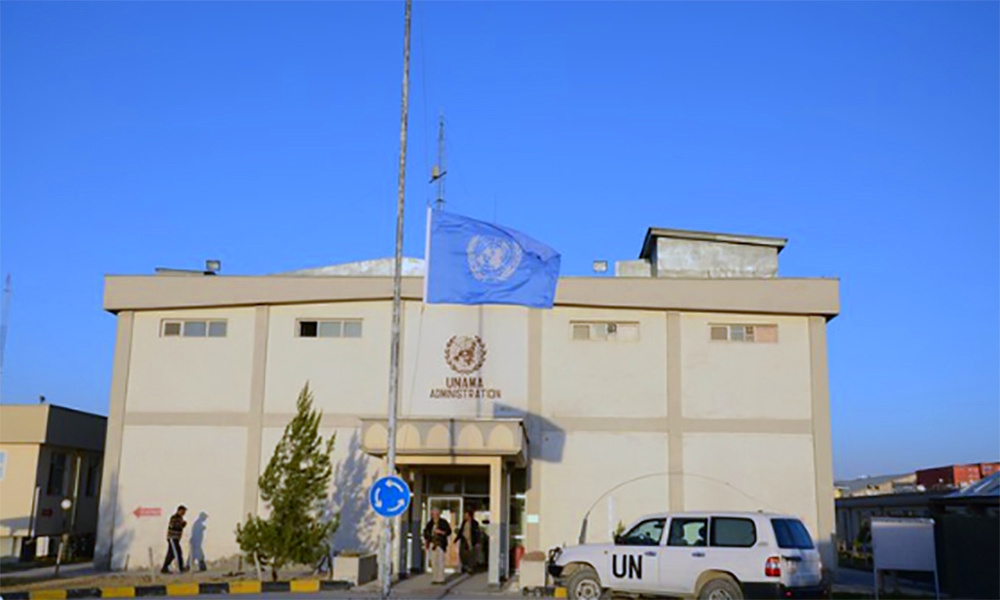
A comprehensive United Nations report has revealed that more than 40,000 civilians were killed and over 77,000 injured during armed conflict in Afghanistan between 2009 and 2021 a period now recognized as the deadliest phase of the country’s modern warfare. The findings, published by the UN Assistance Mission in Afghanistan (UNAMA), offer one of the most detailed accounts to date of the human toll exacted by two decades of violence.
Released on September 1, the report draws on extensive fieldwork, including interviews with 195 victims and their family members, 23 humanitarian organizations, and 23 government officials. This broad base of sources makes it one of the UN’s most comprehensive assessments of the conflict’s impact on Afghan society. The document chronicles violence from the US-led invasion in 2001 through the Taliban’s return to power in August 2021, capturing both the acute brutality of war and its lingering aftermath.
Psychological and Physical Wounds That Refuse to Heal
UNAMA emphasized that the consequences of the war persist long after active fighting subsided in many areas. Nearly all interviewees reported experiencing significant psychological trauma, including depression, anxiety, and recurring traumatic memories. More than half described living with ongoing physical injuries and chronic pain conditions that often go untreated due to the collapse of healthcare infrastructure and the country’s economic crisis.
“The scars of this conflict are not just counted in fatalities, but in the daily suffering of millions who survived,” a UNAMA spokesperson said. The report warns that the legacy of war extends well beyond direct casualties, leaving families fractured by grief, displacement, and financial ruin — hardships that continue to shape everyday life across Afghanistan.
A Decade of Intensified Violence
The period from 2009 to 2021 marked a significant escalation in hostilities, driven by a complex web of actors: the former US-backed Afghan government, Taliban insurgents, Islamic State affiliates, and international military forces. The conflict reached its zenith in bloody urban battles, suicide attacks, and airstrikes that disproportionately affected civilians. The fighting culminated in the sudden collapse of the previous government and the Taliban’s swift takeover in August 2021, an event that reshaped the nation’s political and social fabric almost overnight.
Humanitarian Crisis and the Road to Recovery
Although large-scale nationwide fighting has diminished since 2021, UNAMA has repeatedly cautioned that Afghanistan remains in the grip of a profound humanitarian and psychological emergency. Millions of Afghans especially survivors, internally displaced families, and communities that endured prolonged violence continue to face food insecurity, lack of access to medical care, and the emotional toll of loss.
The report stresses that meaningful recovery will require sustained international attention and investment in victim support services, including trauma-informed mental health care, physical rehabilitation, and economic reintegration programs. It also calls on all parties past and present to acknowledge the full scope of civilian harm and to ensure accountability for violations of international humanitarian law.
A Warning for the Future
As Afghanistan grapples with political isolation, economic collapse, and restrictive governance under the Taliban, UNAMA’s report serves as a stark reminder that peace is not merely the absence of war it is the presence of justice, healing, and opportunity. Without comprehensive support for victims and their communities, the report concludes, the wounds of the past will continue to undermine any hope for a stable and dignified future.
Our Pashto-Dari Website
Support Dawat Media Center
If there were ever a time to join us, it is now. Every contribution, however big or small, powers our journalism and sustains our future. Support the Dawat Media Center from as little as $/€10 – it only takes a minute. If you can, please consider supporting us with a regular amount each month. Thank you
DNB Bank AC # 0530 2294668
Account for international payments: NO15 0530 2294 668
Vipps: #557320

Comments are closed.