

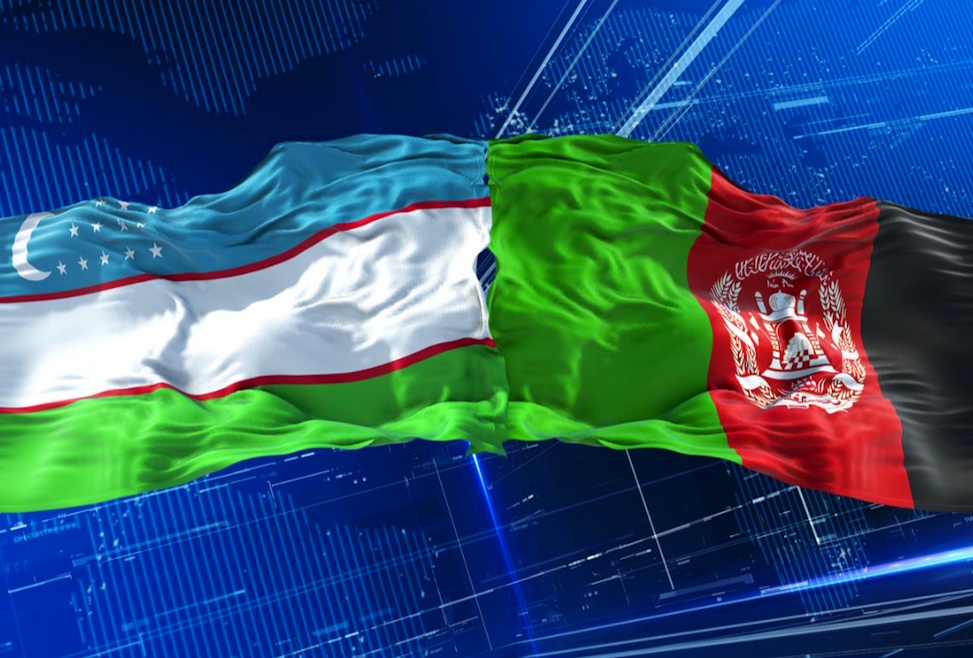
Uzbekistan has delivered 320 tons of humanitarian aid to Afghanistan ahead of Eid al-Adha, reaffirming its continued support for vulnerable Afghan families and communities affected by recent flooding.
According to an official statement released on Monday, the humanitarian shipment was handed over to local authorities in Balkh province and included 10 categories of essential food supplies. The assistance package consisted of 96 tons of flour, 22 tons of rice, 10,000 cans of halal beef, 15,000 liters of sunflower oil, 22 tons of pasta, 41,220 packets of assorted biscuits, 3 tons of banana-flavored biscuits, 22 tons of sugar, and 22 tons of chickpeas, aimed at helping thousands of families facing severe hardship.
Uzbek officials said the aid was sent both in celebration of Eid al-Adha and as an emergency response to support communities impacted by destructive seasonal floods that have displaced families and damaged homes and agricultural land in several parts of Afghanistan.
The assistance comes at a critical time as Afghanistan continues to face one of the world’s most severe humanitarian crises, marked by widespread poverty, food insecurity, economic instability, and growing dependence on international relief assistance.
According to the United Nations Children’s Fund (UNICEF), an estimated 21.9 million people in Afghanistan are expected to require humanitarian assistance in 2026, including millions of children who face heightened risks of hunger, disease, and lack of access to basic healthcare services.
UNICEF has also warned that nearly 11.6 million Afghan children are at risk of acute malnutrition, driven by worsening economic conditions, prolonged drought, food shortages, and limited access to adequate nutrition and medical care.
Afghanistan’s humanitarian conditions have sharply deteriorated since the Taliban’s return to power in August 2021. The collapse of foreign-funded economic systems, international sanctions, frozen Afghan financial assets, and soaring unemployment have pushed large portions of the population deeper into poverty.
International aid agencies have also expressed concern that restrictions imposed on women and girls including bans on secondary and higher education and limitations on women’s employment, particularly in non-governmental organizations have disrupted relief operations and complicated efforts to deliver life-saving assistance to vulnerable populations across the country.
Despite these challenges, neighboring countries such as Uzbekistan have continued to provide humanitarian support, highlighting the importance of regional cooperation in addressing Afghanistan’s ongoing crisis.
Our Pashto-Dari Website

Support Dawat Media Center
If there were ever a time to join us, it is now. Every contribution, however big or small, powers our journalism and sustains our future. Support the Dawat Media Center from as little as $/€10 – it only takes a minute. If you can, please consider supporting us with a regular amount each month. Thank you
DNB Bank AC # 0530 2294668
Account for international payments: NO15 0530 2294 668
Vipps: #557320

Comments are closed.