
WFP: Afghan Workers’ Purchasing Power Plummets 25% as Jobs Wane and Food Costs Soar

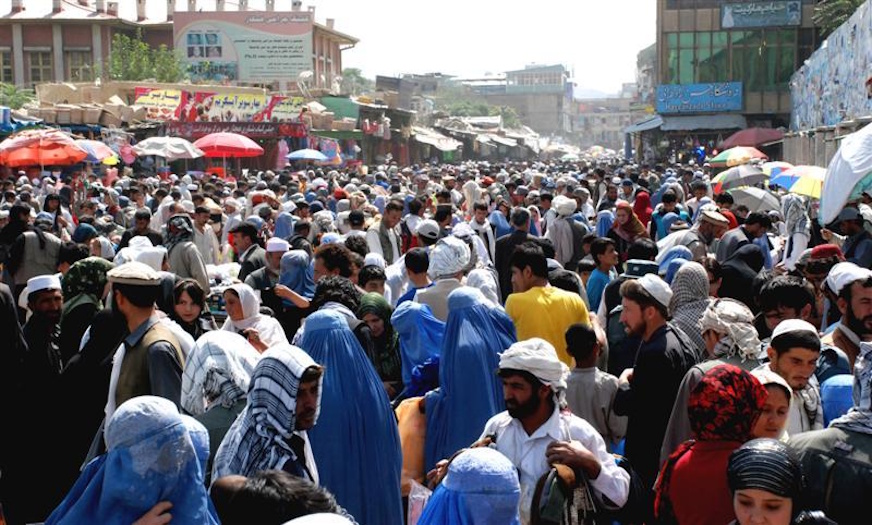
The purchasing power of Afghanistan’s unskilled laborers has fallen by 25% compared to a year ago, driven by scarce work opportunities, lower wages, and rising food prices, according to a new report from the World Food Program (WFP). The findings underscore a deepening economic crisis that is severely straining household access to food across the country.
In its latest market report, released Monday, October 12, the WFP revealed that unskilled workers are finding employment for an average of just two days per week. This represents a 14% decline in work availability from the previous year and a 21% drop below the three-year average. Average wages for these workers have also decreased by 5% year-on-year, further shrinking the income available to families who depend on daily labor for survival.
The report also highlighted a significant weakening of purchasing power among livestock-dependent households. Selling a one-year-old female sheep now yields enough to buy approximately 260 kilograms of low-priced wheat flour a 12% decrease from a year earlier and 7% below the three-year average.
The WFP attributes these trends to a combination of declining incomes and higher prices, which are making it increasingly difficult for vulnerable households to afford sufficient food. Rising fuel and fertilizer costs have also driven up transportation and agricultural production expenses, adding further pressure on supply chains and market prices.
According to the report, wheat grain and low-priced wheat flour each cost 10% more than a year earlier, while high-priced wheat flour rose by 6%. Despite some easing in the first week of October with Palawi rice falling by 1.9% and Sholae rice by 1.7% their prices remained 17% and 31% higher, respectively, than a year earlier.
Other essential goods also recorded annual increases. Cooking oil prices rose by 12%, sugar by 10%, and salt by 4%. By contrast, pulses fell by 12% and bread by 3% compared with the previous year. Potato prices declined by 4.1% during the first week of October, onions by 3.1%, and tomatoes by 0.2%.
These findings reflect the broader economic pressures facing Afghan households, particularly those without stable employment or alternative sources of income. In its wider Afghanistan emergency assessment, the WFP projects that 17.4 million people will face severe food insecurity in 2026, while 4.9 million mothers and children are expected to experience malnutrition.
The WFP has warned that unemployment, poverty, recurrent natural disasters, and reduced humanitarian funding continue to deepen Afghanistan’s hunger crisis. For families relying on daily wages, fewer days of work combined with higher living costs leave less money available for food and other basic needs pushing millions closer to the brink of desperation.
Our Pashto-Dari Website

Support Dawat Media Center
If there were ever a time to join us, it is now. Every contribution, however big or small, powers our journalism and sustains our future. Support the Dawat Media Center from as little as $/€10 – it only takes a minute. If you can, please consider supporting us with a regular amount each month. Thank you
DNB Bank AC # 0530 2294668
Account for international payments: NO15 0530 2294 668
Vipps: #557320

Comments are closed.