
U.N. Warns Dry, Warm Winter Imperils Afghanistan’s Food, Water, and Economic Security

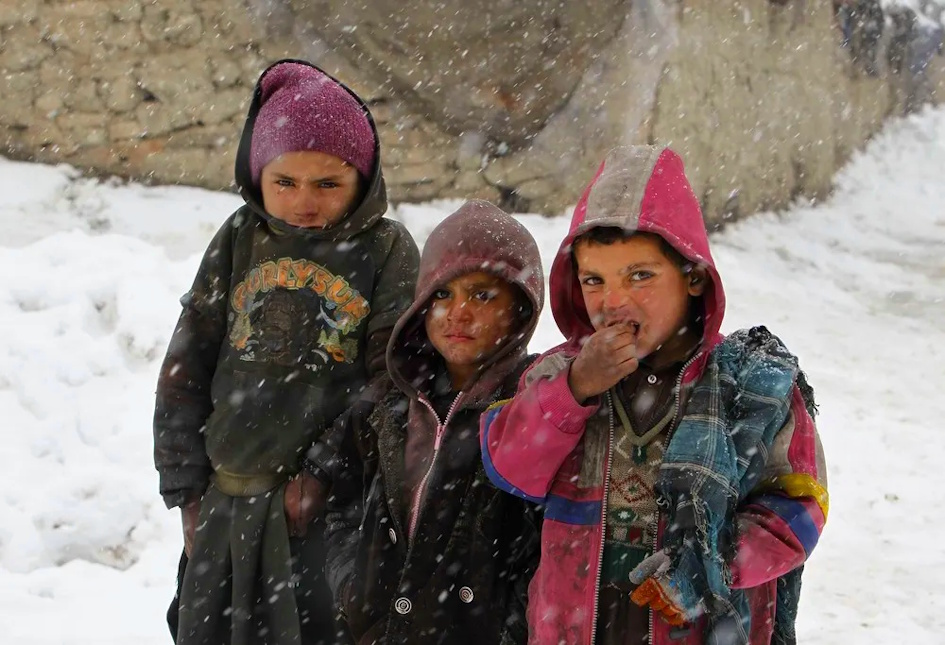
The United Nations Food and Agriculture Organization (FAO) has issued a stark warning that Afghanistan is experiencing a dangerously dry and unusually warm winter, a pattern forecasted to persist through February 2026. This second consecutive year of climatic shocks threatens to cripple agriculture, deplete water reserves, and exacerbate the nation’s severe humanitarian crisis.
According to an FAO assessment released Tuesday, the 2025-2026 wet season has begun with significantly below-average rainfall and above-normal temperatures across much of the country. This has resulted in widespread soil-moisture deficits, creating poor conditions for winter wheat—a staple crop—and jeopardizing pasture regeneration for livestock.
Key Concerns and Projections:
-
Persistent Drought Conditions: Multi-model forecasts indicate reduced precipitation is likely to continue in most regions, particularly the crucial northern, northeastern, and central highlands. These areas are the nation’s primary water towers, where winter snowfall traditionally builds reserves for spring and summer irrigation.
-
Inadequate Snowpack: The FAO notes that even a few stronger weather systems expected in January will likely bring only temporary relief. These are insufficient to offset the cumulative deficit, leaving seasonal precipitation below normal and snow water equivalents in major mountain basins far below long-term averages. This directly threatens the spring meltwater that sustains agriculture and drinking water supplies for millions.
-
Compounding Vulnerabilities: This warning follows low rainfall and drought conditions in 2025. Aid agencies stress that repeated climate shocks are eroding the resilience of an already vulnerable population. The consequences extend beyond immediate food insecurity, potentially triggering:
-
Agricultural Collapse: Failed harvests and loss of livestock, the primary livelihood for most Afghans.
-
Water Scarcity: Increased competition for dwindling water resources for drinking, sanitation, and irrigation.
-
Economic Strain: Rising food prices, decreased agricultural employment, and heightened poverty.
-
Displacement: Potential for increased internal displacement as families abandon unproductive land.
-
Deepened Humanitarian Need: A significant surge in the number of people requiring emergency food, water, and livelihood assistance, overwhelming existing aid efforts.
-
Context of Crisis:
Afghanistan remains one of the world’s most vulnerable countries to climate change, while simultaneously grappling with profound economic instability and humanitarian need. The FAO’s alert underscores how climate variability acts as a threat multiplier, directly undermining food security and stability.
The international community is called upon to view this not only as a weather forecast but as an urgent precursor to a large-scale humanitarian disaster. Mitigating the worst impacts will require immediate scaling-up of assistance for drought-resistant farming, water conservation, livestock protection, and unconditional food aid to prevent a rapid deterioration of food and water security in the coming months.
Our Pashto-Dari Website


Support Dawat Media Center
If there were ever a time to join us, it is now. Every contribution, however big or small, powers our journalism and sustains our future. Support the Dawat Media Center from as little as $/€10 – it only takes a minute. If you can, please consider supporting us with a regular amount each month. Thank you
DNB Bank AC # 0530 2294668
Account for international payments: NO15 0530 2294 668
Vipps: #557320

Comments are closed.