
Iran Urges Global Rejection of U.S. Sanctions, Calls Them “State Terrorism” and a Crime Against Humanity

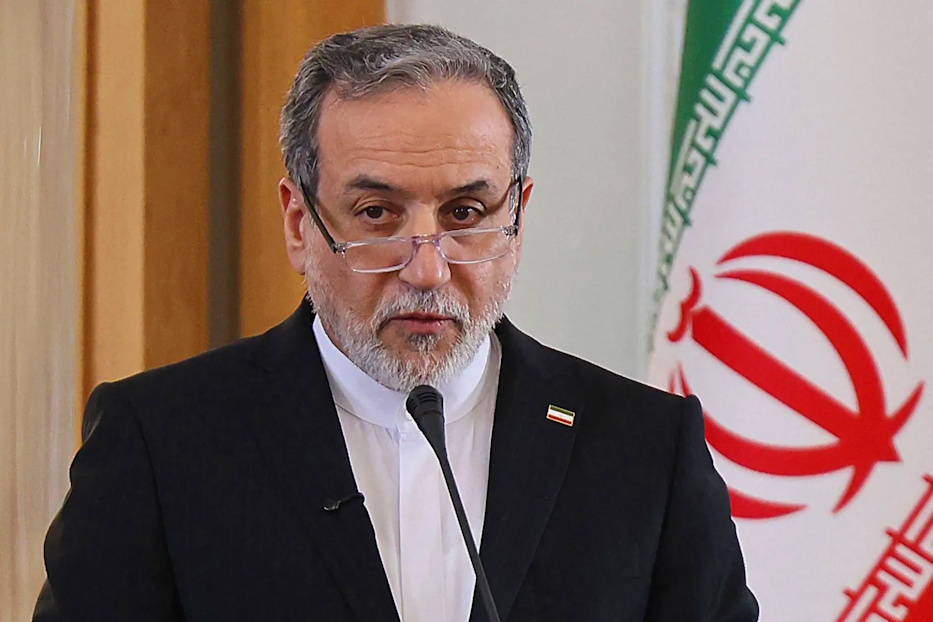
Iran’s Foreign Ministry has issued a forceful call to all nations, urging them to refuse compliance with newly imposed U.S. sanctions against Tehran. In a strongly worded statement, the ministry argued that any country participating in or facilitating the enforcement of these measures would be complicit in advancing Washington’s “unlawful will” over independent states, thereby undermining the foundational principles of international law and state sovereignty.
The statement, published on the ministry’s official X (formerly Twitter) account on Friday, condemned the latest round of U.S. economic restrictions as not only illegal but also morally reprehensible. It went further to characterize the sanctions as a form of “state terrorism” and a “crime against humanity,” asserting that they deliberately endanger the health, well-being, and economic survival of millions of ordinary Iranian civilians. The ministry emphasized that by targeting essential goods, medicine, and financial channels, the sanctions amount to collective punishment a violation explicitly prohibited under international humanitarian law.
In addition to its diplomatic appeal, Tehran called on the international community to actively uphold the rule of law and resist what it described as a unilateral assault on the multilateral system. The ministry declared that Iran would marshal all available political, economic, and legal resources to defend itself against what it framed as a coordinated U.S.-Israeli campaign one that combines military intimidation with economic warfare. While stopping short of specifying retaliatory measures, the statement signaled that Iran views the current confrontation as an existential challenge requiring a comprehensive national response.
Araghchi: Diplomacy Still Possible, but U.S. Must Change Course
Separately, Iranian Foreign Minister Abbas Araghchi struck a cautiously open though conditional tone regarding the prospect of reviving diplomatic engagement. In a post on X, Araghchi stated that returning to meaningful negotiations was “not impossible,” but stressed that any such path forward depends squarely on a fundamental shift in U.S. policy. “Pressure does not work,” he wrote, reiterating Tehran’s long-standing position that sanctions and threats have historically failed to produce compliance or concessions.
Araghchi also revealed that he had held what he characterized as “creative discussions” with Qatar’s Prime Minister and Minister of Foreign Affairs, Sheikh Mohammed bin Abdulrahman Al Thani, during a recent regional diplomatic exchange. While he offered few specifics, he suggested that Doha could play a constructive mediating role. However, he laid out clear prerequisites for any serious U.S.-Iran dialogue: Washington must first build trust through tangible actions, engage in respectful and dignified discourse, formally acknowledge Iran’s sovereign rights including its nuclear entitlements under the NPT and fully honor its own prior commitments, particularly those related to the 2015 Joint Comprehensive Plan of Action (JCPOA).
Broader Implications and Regional Context
The renewed Iranian offensive against U.S. sanctions comes amid escalating tensions in the Middle East, including ongoing confrontations in the Red Sea, proxy clashes in Syria and Lebanon, and heightened Israeli military operations. European signatories to the JCPOA have so far struggled to salvage the nuclear deal, while Gulf states including Qatar have increasingly positioned themselves as mediators between Tehran and Washington. Iran’s latest diplomatic push appears aimed at both rallying international opposition to U.S. unilateralism and keeping the door ajar for indirect negotiations, provided that Washington reconsiders its maximum-pressure strategy.
Whether the Biden administration or a potential future U.S. government will entertain such conditions remains unclear. For now, Tehran is signaling that it will not bend under economic duress, while simultaneously leaving room for a diplomatic off-ramp if the United States is willing to meet it on more equal footing.
Our Pashto-Dari Website
Support Dawat Media Center
If there were ever a time to join us, it is now. Every contribution, however big or small, powers our journalism and sustains our future. Support the Dawat Media Center from as little as $/€10 – it only takes a minute. If you can, please consider supporting us with a regular amount each month. Thank you
DNB Bank AC # 0530 2294668
Account for international payments: NO15 0530 2294 668
Vipps: #557320

Comments are closed.