

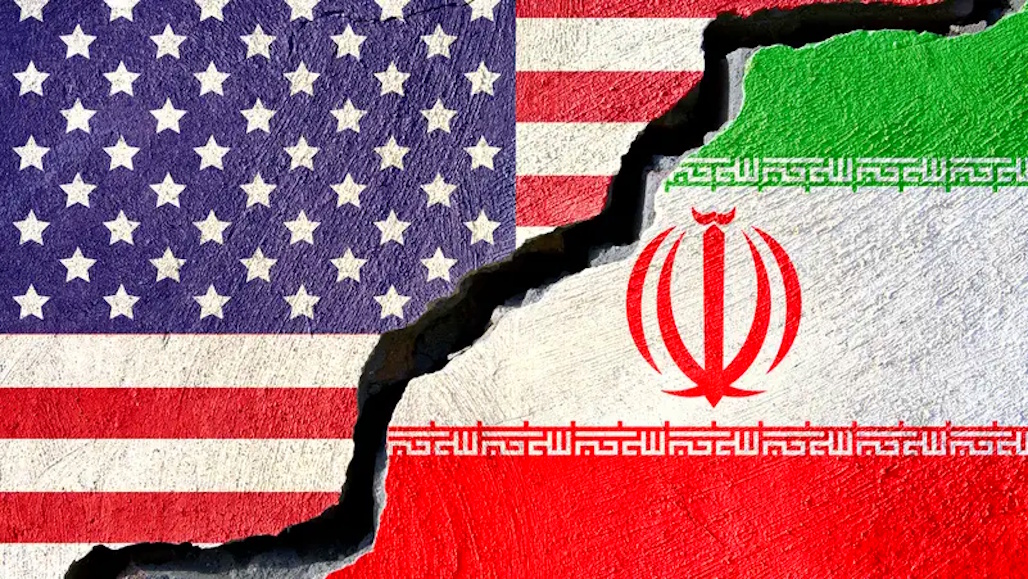
The United States and Iran are set to engage in high-stakes, indirect negotiations in Geneva on Tuesday, a last-ditch diplomatic effort to resolve their long-standing nuclear dispute. The talks unfold under the ominous shadow of a massive US military buildup in the region and simultaneous preparations for potential strikes, marking one of the most volatile moments in the decades-long conflict.
The Omani-mediated talks will see US Middle East envoy Steve Witkoff and senior adviser Jared Kushner representing the American side, according to a source briefed on the matter. They are expected to hold discussions with Iranian Foreign Minister Abbas Araghchi, though the two delegations are not slated to meet face-to-face.
Diplomacy and the Drumbeat of War
While diplomacy is underway, the Pentagon is simultaneously preparing for the possibility of sustained military action against Iran. Two US officials told Reuters that the military is updating plans for weeks of operations should President Donald Trump order an attack.
The threat was underscored by President Trump himself on Monday. Speaking to reporters aboard Air Force One, he confirmed he would be involved “indirectly” in the Geneva talks but framed the negotiations as a choice between a deal and devastating military force.
“I don’t think they want the consequences of not making a deal,” Trump said. “We could have had a deal instead of sending the B-2s in to knock out their nuclear potential. And we had to send the B-2s.”
His reference to the B-2 stealth bomber—a platform designed to penetrate deep into defended territory and strike fortified, high-value targets—was widely interpreted as a direct warning to Iran’s underground nuclear facilities. Compounding the military pressure, Trump has ordered what he calls a “massive naval armada” to the region, significantly expanding the US naval presence in the waters around Iran.
Tehran has responded in kind with a show of force. Iran’s military began a drill in the Strait of Hormuz on Monday, a vital international waterway through which a fifth of the world’s oil passes. The exercise serves as a reminder of Tehran’s ability to disrupt global energy supplies and target its Gulf Arab neighbors, who have been urgently appealing for a diplomatic resolution.
A Narrow Path to a Deal
The core of the dispute remains unchanged: Washington and its close ally Israel believe Iran is seeking to develop a nuclear weapon, a charge Tehran denies. However, the technical reality has grown more urgent. Since the collapse of the 2015 nuclear deal, Iran has enriched uranium to levels far beyond the 3.67% purity needed for civilian power generation and close to the 90% required for a weapons-grade bomb. Iran maintains its program is entirely peaceful.
The path to a deal is further complicated by a significant divergence in what each side is willing to discuss. Washington has sought to expand the scope of negotiations to include non-nuclear issues, primarily Iran’s burgeoning ballistic missile program, which it views as a threat to regional stability and US allies.
Tehran, however, has drawn a red line. Officials state they are only willing to discuss curbs on their nuclear program and only in exchange for meaningful relief from the crippling international sanctions that have strangled Iran’s oil exports and fueled a deep cost-of-living crisis. They have insisted they will not give up uranium enrichment entirely or discuss their missile program, which they view as a core component of their national defense.
On Monday, US Secretary of State Marco Rubio acknowledged the difficulty of the task ahead. “It is hard to do a deal with Iran,” he told a news conference in Budapest, “but we are willing to try.”
Iran’s Position of Weakness
Tehran arrives at the negotiating table from a position of perceived weakness. Domestically, Iran’s Islamic rulers have been significantly weakened by widespread street protests. The demonstrations, initially sparked by the death of a young woman in morality police custody, evolved into a broad challenge to the regime and were put down at the cost of thousands of lives. The unrest was fueled in large part by the economic misery driven by the very sanctions Tehran now seeks to lift.
Internationally, a previous attempt to revive talks was violently upended last June when Israel, with support from US bombers, launched a military campaign targeting Iran’s nuclear infrastructure. While Tehran has since claimed it has halted some enrichment activity, the attack demonstrated the vulnerability of its program and the willingness of its adversaries to use force.
Ahead of Tuesday’s talks, Foreign Minister Araghchi met with Rafael Grossi, head of the International Atomic Energy Agency (IAEA), in Geneva to discuss technical aspects of Iran’s cooperation with the agency—a key component of any future deal.
Beyond the Nuclear File
In a sign of the busy diplomatic landscape in Geneva, Witkoff and Kushner are also scheduled to participate in trilateral talks with Russia and Ukraine on Tuesday afternoon. The US is attempting to leverage its influence to coax the warring parties into an agreement to end Moscow’s four-year-old invasion of Ukraine.
The simultaneous negotiations underscore the Trump administration’s push for major foreign policy breakthroughs, but the ticking clock in Geneva is defined by the far more immediate and dangerous question of Iran’s nuclear program—and whether the sound of diplomacy can drown out the growing drumbeat of war.
Our Pashto-Dari Website

Support Dawat Media Center
If there were ever a time to join us, it is now. Every contribution, however big or small, powers our journalism and sustains our future. Support the Dawat Media Center from as little as $/€10 – it only takes a minute. If you can, please consider supporting us with a regular amount each month. Thank you
DNB Bank AC # 0530 2294668
Account for international payments: NO15 0530 2294 668
Vipps: #557320

Comments are closed.