
Afghan Children Return from Malnutrition Treatment to Food-Insecure Homes, Aid Group Warns

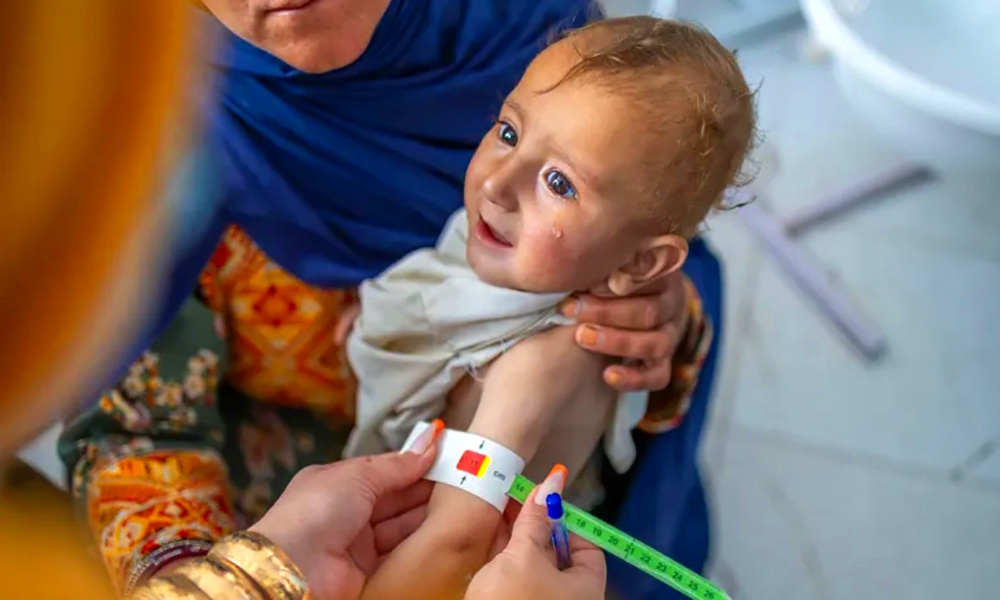
In a stark illustration of the fragility of progress, children who have successfully completed treatment for severe acute malnutrition in Afghanistan are being sent back to households that simply cannot afford the nutrient-dense foods essential for their continued recovery and healthy development, according to a new warning from the international humanitarian organization Action Against Hunger.
The charity cautioned that a toxic combination of recurrent drought, entrenched poverty, widespread food insecurity, and meager household incomes is creating a relentless cycle: even after children are stabilized and discharged from therapeutic feeding programs, their families lack the means to sustain a nutritious diet, leaving them highly vulnerable to rapid relapse.
Compounding the problem, repeated droughts and other climate-induced shocks including unseasonably harsh winters and severe water shortages have devastated agricultural yields and decimated rural livelihoods. With harvests shrinking and income sources drying up, parents are increasingly forced to choose between buying staple grains or the protein-rich foods, fresh produce, and fortified supplements that their recovering children urgently need.
Action Against Hunger emphasized that while therapeutic feeding saves lives in the short term, it is not a sustainable solution. The organization is calling for a decisive shift in approach—one that moves beyond emergency treatment to tackle the systemic drivers of hunger, such as economic marginalization, climate vulnerability, and inadequate social protection systems.
Alarming Surge in Admissions
The warning comes against a backdrop of rapidly deteriorating nutrition indicators across the country. In June 2026 alone, the Therapeutic Feeding Unit at a Kabul hospital recorded 142 new admissions a staggering 149 percent increase compared to the same month in 2025. Health workers describe wards filled beyond capacity, with mothers cradling listless infants while waiting for beds to become available.
Similar spikes have been reported in other provinces where Action Against Hunger maintains a presence. In Lashkar Gah, the capital of Helmand province a region already battered by conflict and economic collapse the organization was forced to expand its therapeutic feeding unit from 45 beds to 72, and then to 118, all within the span of just a few weeks, as the caseload overwhelmed existing infrastructure.
Climate Shocks and Displacement Worsen Crisis
Beyond the immediate nutrition emergency, Action Against Hunger pointed to deeper environmental and social fractures. Water shortages have crippled agricultural production in many rural areas, rendering once-fertile fields barren and pushing subsistence farmers to the brink. In response, entire families have been uprooted, migrating to urban centers or makeshift camps in search of wage labor, drinking water, and basic necessities often only to find themselves trapped in overcrowded slums with limited access to healthcare or clean sanitation.
“We are treating the symptoms, but the disease chronic poverty and climate vulnerability remains untreated,” said a senior nutrition adviser for the organization. “Every child we discharge is a success, but every child we readmit a few months later is a failure of the system.”
Breaking the Cycle: A Call for Long-Term Investment
To break this destructive loop, Action Against Hunger is urging donors and the Afghan authorities within the constraints of the current political context to significantly increase investment in both emergency nutrition services and longer-term livelihood programmes. This dual-track approach, they argue, is the only way to help families build resilience and escape the intergenerational trap of malnutrition and destitution.
Cobi Rietveld, Afghanistan Country Director for Action Against Hunger, underscored that the path to lasting change lies not in endless medical interventions, but in empowering families economically.
“When families have the means to earn a dignified living and provide for their children, the benefits extend far beyond nutrition,” Rietveld stated. “Livelihood support—whether through cash transfers, vocational training, agricultural inputs, or small-business grants does more than fill stomachs. It restores hope, protects children’s cognitive and physical futures, and builds community-wide resilience against the next shock, whether that be drought, flood, or economic downturn.”
He added: “If we truly want to end malnutrition in Afghanistan, we must invest in the resilience of families not just in the resilience of their children’s bodies for a few weeks at a time.”
A Broader Humanitarian Context
Afghanistan remains one of the world’s most severe humanitarian crises, with over half of the population more than 23 million people requiring assistance in 2026, according to UN estimates. The nutrition sector is particularly strained, with funding gaps forcing many agencies to scale back prevention programmes even as treatment demand skyrockets. Without a renewed commitment to addressing root causes, humanitarian actors warn that the gains made in child survival over the past two decades could be irreversibly eroded.
Our Pashto-Dari Website

Support Dawat Media Center
If there were ever a time to join us, it is now. Every contribution, however big or small, powers our journalism and sustains our future. Support the Dawat Media Center from as little as $/€10 – it only takes a minute. If you can, please consider supporting us with a regular amount each month. Thank you
DNB Bank AC # 0530 2294668
Account for international payments: NO15 0530 2294 668
Vipps: #557320

Comments are closed.