
More Than 4 Million Children in Afghanistan Will Need Treatment for Acute Malnutrition in 2027

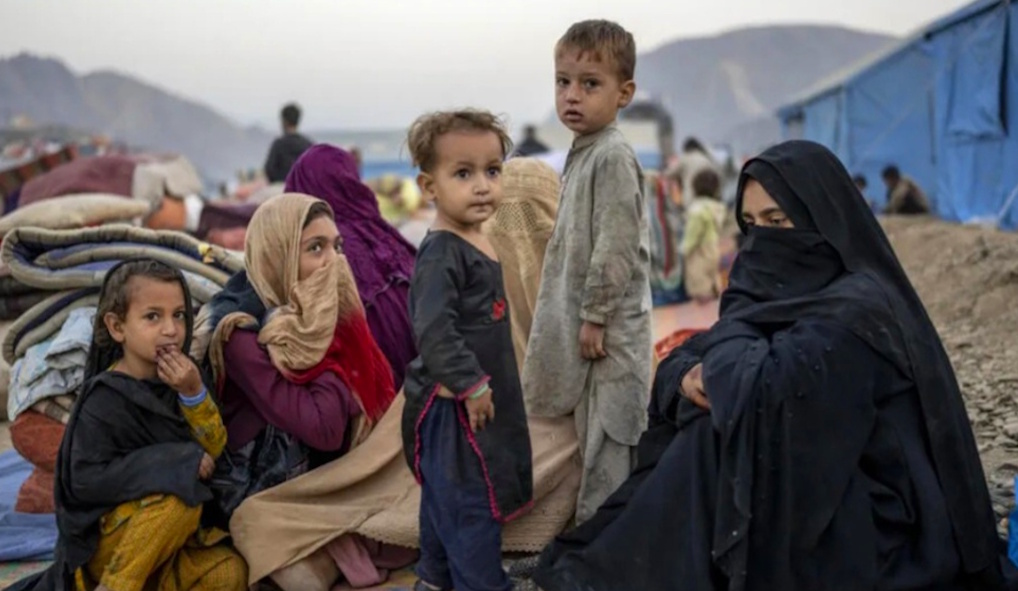
Kabul — The latest Integrated Food Security Phase Classification (IPC) assessment projects that more than four million children in Afghanistan will require treatment for acute malnutrition in 2027, a scale of need that experts warn could permanently threaten their physical health and cognitive development. The crisis is unfolding against a backdrop of severe funding shortfalls, collapsing nutrition services, and a deepening food access crisis that leaves families hungry even when markets are stocked.
According to the IPC report published on October 13, 2026, an estimated 4.04 million children aged 6 to 59 months will need treatment for acute malnutrition between January and December 2027. Of these, approximately 1.09 million are expected to suffer from severe acute malnutrition the most life-threatening form while nearly 2.95 million will experience moderate acute malnutrition . The assessment also estimates that around 1.27 million pregnant and breastfeeding women will require treatment for malnutrition during the same period .
The geographic spread of the crisis is expanding rapidly. UNICEF and the humanitarian organization Action Against Hunger have warned that the number of provinces facing critical levels of malnutrition classified as IPC Acute Malnutrition Phase 4 has increased from seven in 2025 to 10 in 2026 and is projected to reach 14 in 2027. By the April–July 2027 projection period, 29 of Afghanistan’s 34 provinces are expected to require urgent emergency action .
A Crisis of Access, Not Just Supply
While improved rainfall and agricultural production in 2026 offered some relief after successive years of drought, humanitarian officials caution that one good harvest cannot undo the damage of prolonged drought and economic collapse. Between September and October 2026, 15.9 million people nearly one in three Afghans were facing acute food insecurity at crisis level or worse, including 3.4 million in emergency conditions. During the winter lean season from November 2026 to April 2027, that figure is projected to rise to 19.2 million, with 5 million in emergency .
“The crisis is not simply about whether food exists, but whether people can afford it, whether they can earn an income, access basic services, or whether they have anything left to fall back on when the next shock hits,” said Olga Cherevko, spokesperson for the UN Office for the Coordination of Humanitarian Affairs (OCHA) in Kabul .
Hospitals Overwhelmed, Services Collapsing
Even before the projected 2027 surge, Afghanistan’s health system is straining under the current caseload. In its August 2026 Afghanistan Humanitarian Situation Report, UNICEF documented that 3.7 million children were already suffering from acute malnutrition, including nearly one million with severe acute malnutrition . Since the beginning of 2026, more than half a million children have been admitted for treatment of high-risk moderate or severe wasting. Severe acute malnutrition cases with medical complications rose by one-third compared to the previous year from 6,000 in July 2025 to 8,000 by July 2026 .
“In parts of southern Afghanistan, some hospitals are now seeing three or four severely malnourished children for every available bed,” said Dr. Tajudeen Oyewale, UNICEF Representative in Afghanistan .
Compounding the crisis, roughly one-third of nutrition treatment centers have closed or suspended services, largely due to funding cuts . The 2026 Afghanistan Humanitarian Response Plan’s nutrition cluster has received only a fraction of its $298 million requirement, with funding coverage fluctuating between 2.6% and 18.8% depending on the reporting period . The World Food Programme has warned that many supported health clinics face shortages of specialized nutritious foods, leaving only a fraction of those in need able to access life-saving treatment .
The Youngest and Most Vulnerable
Dr. Faridullah Omari, an infectious disease specialist, emphasized that children under five particularly during their first two years of life are especially vulnerable. Children aged six to 23 months face heightened risk because their nutritional requirements increase during this period, and inadequate or inappropriate diets can disrupt normal development.
The data bears this out starkly: children under two account for 83% of severe acute malnutrition cases, and nearly 40% of children admitted to hospitals with severe wasting and medical complications are infants under six months old . UNICEF’s 2026 report Too Little, Too Late: The Diet Crisis Facing Young Children in Afghanistan found that half of Afghan children live in severe child food poverty, consuming foods from just two or fewer food groups daily. When children reach six months and should begin nutritious complementary foods alongside breastmilk, many receive little more than bread with tea or watered-down yoghurt .
Omari listed weight loss, poor growth, physical weakness, loss of appetite, and frequent illnesses as warning signs families should watch for. He warned that prolonged malnutrition can affect physical growth and brain development, potentially causing lasting harm to learning abilities and overall health if left untreated. Poverty, families’ inability to afford sufficient and diverse food, respiratory infections, and diarrhoeal diseases are among the main drivers, he said, noting that infectious diseases can further weaken children’s nutritional condition, and malnutrition may recur even after recovery from illness.
The specialist stressed that mothers should exclusively breastfeed for the first six months, after which age-appropriate complementary foods should be gradually introduced while breastfeeding continues. A diverse diet including vegetables, eggs, dairy, meat, fish, and legumes can help meet children’s nutritional needs, alongside routine vaccinations and timely medical care.
Response and the Road Ahead
Hafiz Abdul Qadeem Abrar, spokesperson for the Afghan Red Crescent Society, said the organization provides healthcare services to vulnerable communities through 216 fixed and sub-health teams, as well as mobile teams, including maternal and child healthcare, vaccination, and health consultations. The Ministry of Public Health previously announced a nationwide polio vaccination campaign from November 2 to 5, targeting 12.8 million children under five.
Yet humanitarian agencies warn that emergency assistance alone cannot reverse the trajectory. OCHA’s Cherevko stressed that humanitarian aid “can and does save lives today, but only sustained, inclusive investment in livelihoods, services, and economic opportunity can help people build lives that are less dependent on emergency assistance.” She also highlighted the systematic exclusion of women and girls from education and employment, warning that if current restrictions continue, Afghanistan could lose up to 20,000 women teachers and 5,400 female health workers by 2030 undermining the maternal health, dietary diversity, and healthcare access that are essential to combating malnutrition .
With the winter lean season approaching and nutrition services already stretched to the breaking point, the coming year will test whether the humanitarian system can reach the millions of children whose survival depends on treatment that is becoming increasingly scarce.
Our Pashto-Dari Website

Support Dawat Media Center
If there were ever a time to join us, it is now. Every contribution, however big or small, powers our journalism and sustains our future. Support the Dawat Media Center from as little as $/€10 – it only takes a minute. If you can, please consider supporting us with a regular amount each month. Thank you
DNB Bank AC # 0530 2294668
Account for international payments: NO15 0530 2294 668
Vipps: #557320

Comments are closed.